


Salicylic acid
A beta-hydroxy acid related to salicylates: in skin care it helps oily skin and comedones, while medically it must be distinguished from aspirin and dietary salicylates.
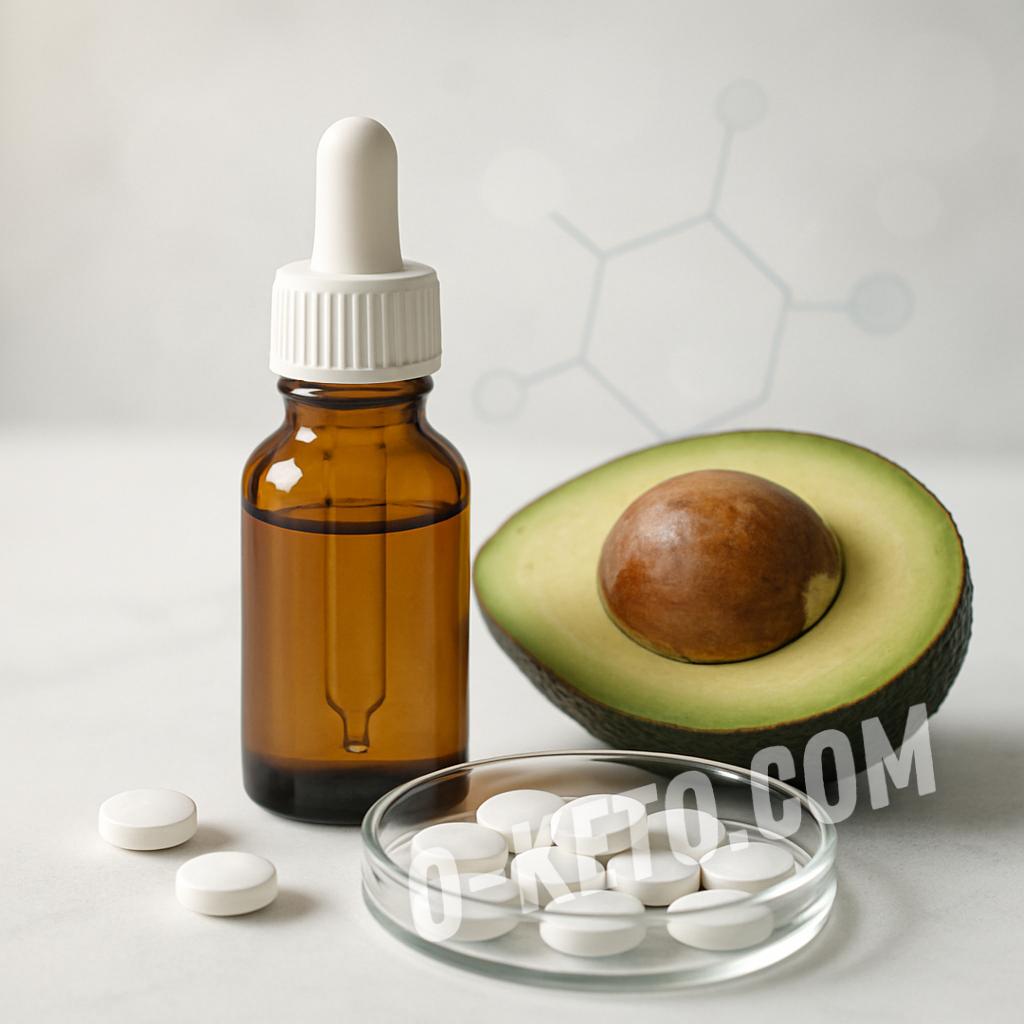
Salicylic acid is a beta-hydroxy acid related to the salicylate family. In everyday life it is best known as a skin-care ingredient: it dissolves in an oily environment, enters pores, helps loosen the outer skin layer, and can reduce comedones. But salicylic acid is not the same as aspirin, and it is not a universal internal anti-inflammatory agent. Cosmetic use on the skin, medicinal salicylates, and dietary salicylates from plants should be kept separate.
How it works on the skin
The main dermatologic property of salicylic acid is keratolytic action. It helps exfoliate cells of the stratum corneum, reduce pore blockage, and make the skin surface smoother. Because it is lipid-soluble, it is often used for oily skin, comedones, acne-prone skin, seborrhea, and scalp products. This is not burning the skin but controlled modification of cell adhesion when concentration, pH, and frequency are chosen well.
Overuse can damage the barrier. Burning, peeling, tightness, redness, and increased sensitivity usually mean the product is used too often, at too high a strength, or together with other irritants. Retinoids, acids, alcohol lotions, scrubs, and benzoyl peroxide can intensify irritation. Salicylic acid is useful only when the skin tolerates it.
Salicylic acid, aspirin, and salicylates
Aspirin is acetylsalicylic acid, a drug with systemic effects on pain, inflammation, fever, and platelets. Salicylic acid in a cosmetic product is not the same as taking aspirin. The properties of aspirin should not be transferred to a cream or peel, and joint disease cannot be treated with a cosmetic acid. These substances are chemically related, but route, dose, risks, and goals differ.
Dietary salicylates occur in many plants, spices, berries, fruits, tea, and vegetables. For most people they are a normal part of the diet. A smaller group with salicylate sensitivity may develop nasal congestion, hives, asthma-like symptoms, headache, or worsening skin symptoms. Self-diagnosis is unreliable because similar symptoms can be caused by histamine, FODMAPs, alcohol, infections, medications, and stress.
Nutrition and low-carbohydrate diets
On keto and LCHF, salicylates may come from spices, herbs, berries, olive oil, tea, cucumbers, tomatoes, peppers, and other low-carbohydrate foods. This is not a reason to remove all plants. Most people tolerate these foods well, and the plant layer provides flavor, polyphenols, minerals, and fiber. Restricting salicylates makes sense only with a convincing individual reaction and preferably with medical or nutrition guidance.
If sensitivity is suspected, chaotic elimination of dozens of foods is not the best first step. A food and symptom diary, dose, combinations, alcohol, medications, gut health, and stress should be considered. An overly strict low-salicylate diet can impoverish the menu, especially when carbohydrate is already restricted. The goal is to find a tolerated set of foods, not to make the diet as empty as possible.
Safety and practical use
Skin products with salicylic acid are usually started at low frequency while the reaction is observed. Strong products should not be applied to large damaged areas, mucosa, burns, or combined with several acids without understanding the risk. During pregnancy, lactation, aspirin allergy, NSAID-sensitive asthma, systemic retinoid therapy, or marked dermatitis, active acids are best discussed with a clinician.
Application area and age also matter. A small facial product and applying a strong salicylic preparation over a large body area are different situations. Treating large areas, occlusion, damaged skin, or use in children increases the risk of systemic absorption. Products for warts, corns, and marked hyperkeratosis should not be treated like ordinary cosmetics or moved to the face and large areas without instructions.
In practice, salicylic acid is useful when the goal is specific: comedones, oiliness, ingrown hairs, seborrheic scaling, or rough skin. It does not replace treatment for severe acne, rosacea, dermatitis, infection, or hormonal causes of breakouts. In nutrition, salicylates are a normal part of plant foods rather than an enemy by default. A good approach separates cosmetic acid, medicinal salicylates, and individual food tolerance.
If the skin is already dry, damaged, or inflamed, the better first step may be barrier repair: gentle cleansing, moisturizing, sun protection, and removal of unnecessary actives. Acids should not become a daily punishment for the skin. With persistent acne, painful nodules, scarring, severe seborrhea, or suspected infection, dermatologic management matters more than experimenting with acids.
If you have any questions about the term "Salicylic acid", you can ask them to AI. Please note, a low-cost OpenAI model is used. It may answer questions about disease treatment with errors!


 1 / 4
1 / 4 1 / 4
1 / 4 1 / 4
1 / 4

 1 / 4
1 / 4