


Low insulin
A condition in which basal or postprandial insulin secretion is insufficient for normal adaptation to nutrition and glucose levels. It is less common than insulin resistance, but can also cause weakness, tremors, poor hunger tolerance, weight loss, unstable energy and problems with recovery, so it requires investigation by tests rather than guesswork.



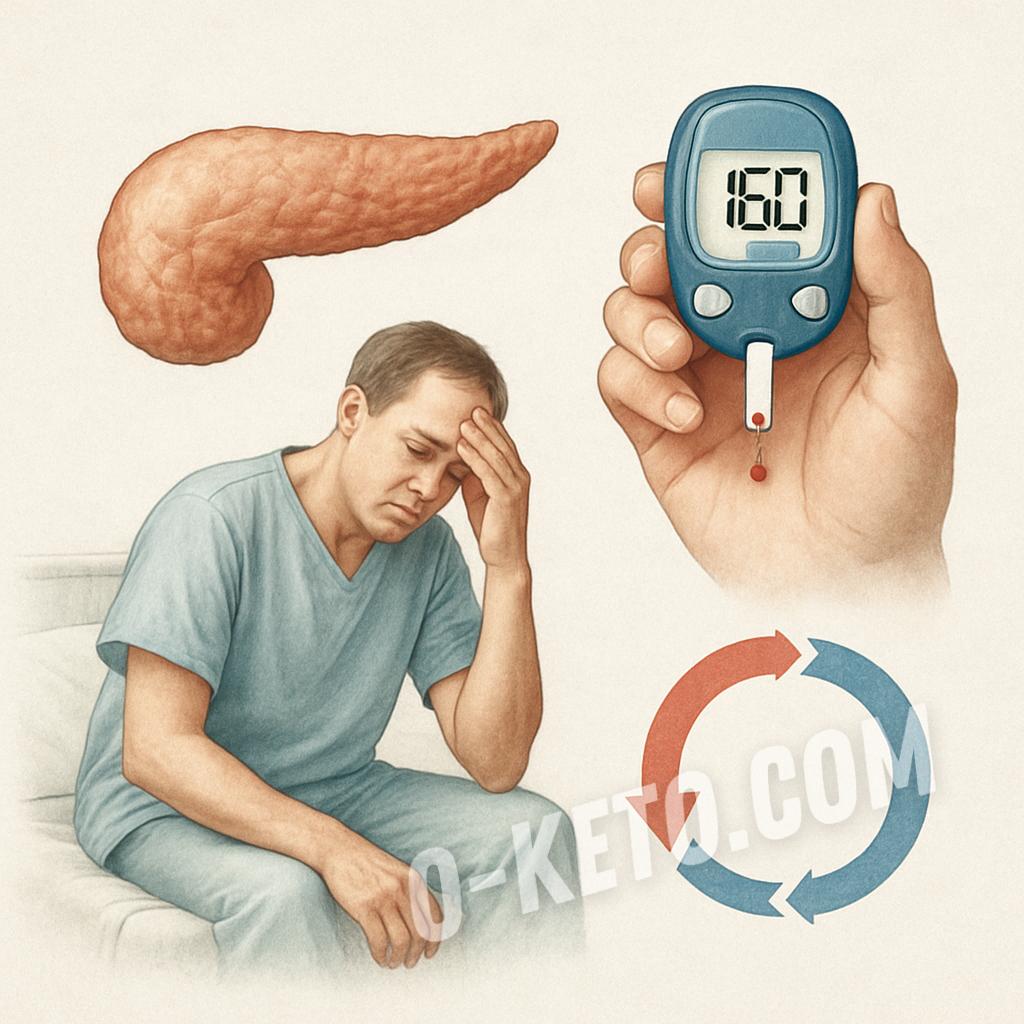
Reduced insulin is a condition in which the pancreas produces less insulin than is needed for normal glucose regulation and adaptation to nutrition. At the everyday level, it is often confused with either “good low insulin” in people with normal tissue sensitivity, or with hypoglycemia as a single episode. In fact, these are different things. In a healthy person, with good tissue sensitivity, fasting insulin can indeed be moderately low, and this is not a problem. But if, along with this, weakness, trembling, fatigue, poor tolerance to skipping meals, weight loss, unstable mood, bouts of hunger or changes in well-being after exercise appear, the situation needs to be examined more carefully.
n
When is low insulin normal and when is it not?
n
In itself, low insulin in the test does not equal disease. In a non-obese person with good muscle mass, normal glucose and a relaxed diet, it may simply be a reflection of high tissue sensitivity to insulin. This is especially possible on a low-carbohydrate diet or during intervals between meals, when the body does not require a constantly high insulin response.
n
The problem begins when low insulin is combined with symptoms of energy instability or carbohydrate metabolism disorders. This happens with exhaustion, protein deficiency, inflammatory and autoimmune processes, dysfunction of the pancreas, after severe infections, against the background of severe body weight deficiency or with initial disorders of insulin secretion. In these cases, it is important not to romanticize “low insulin”, but to understand whether iron is doing enough to do its job.
n
What symptoms make you think
n
The most common symptoms include trembling, weakness, sudden deterioration in health when skipping meals, dizziness, irritability, sweating, poor tolerance to long pauses between meals and severe fatigue after physical activity. Some people have difficulty gaining muscle mass, unintentional weight loss, and the feeling that food is quickly no longer providing sustainable energy. Sometimes complaints worsen due to infections, malnutrition, intestinal problems or chronic stress.
n
But even here you cannot focus only on subjective sensations. Iron deficiency, low cortisol, severe calorie deficit, anxiety, sleep disturbances and thyroid problems can give a very similar picture. Therefore, the decrease in insulin is assessed together with glucose, C-peptide, total protein, body weight and general metabolic background.
n
What could be behind decreased insulin secretion?
n
One of the reasons is insufficient protein and energy supply. If a person is undernourished for a long time, loses weight, poorly absorbs protein, or lives against a background of chronic inflammation, the pancreas and the entire anabolic metabolism may work less steadily. The second group of causes are autoimmune and inflammatory processes that affect the islet apparatus. The third is chronic stress and increased cortisol, against the background of which appetite, eating patterns, tissue sensitivity and overall sugar regulation change.
n
Deficits also play an important role. If total protein is reduced, B vitamins, magnesium or some cofactors of enzyme systems are deficient, the body adapts less well to carbohydrate load and energy production. This does not mean that any low insulin needs to be “treated with vitamins,” but a deficiency background can indeed aggravate the picture.
n
What tests help you take the guesswork out?
n
At a minimum, it makes sense to look at fasting glucose, fasting insulin, C-peptide and total protein. It is the C-peptide that helps us understand what our own insulin secretion is, and not just the final level of the hormone in the blood. Additionally, depending on the situation, glycated hemoglobin, ferritin, B12, folate, magnesium, liver enzymes, TSH and autoimmune tests may be needed. If there is persistent weight loss, episodes of severe weakness, or a suspicion of a pancreatic problem, the analysis should already be done by a doctor.
n
It is very important not to confuse this situation with insulin resistance. In insulin resistance, insulin is often elevated or borderline high due to excess body weight and visceral fat. With reduced secretion, the problem is different: the gland does not give a sufficient response, especially if there are signs of exhaustion, deficiency or disruption of the pancreas.
n
What do they usually do in support?
n
The approach depends on the reason. If total protein is reduced, a person eats little or recovers poorly from illness, protein and energy supply is first normalized. If deficiencies of B-vitamins, magnesium or other cofactors are identified, they are replenished in a targeted manner. Support regimens may use inositol, manganese, thiamine forms, magnesium and enzyme support, but they do not replace basic diagnosis or eliminate serious pancreatic problems.
n
On keto and LCHF, common sense is needed here. If a person objectively does not tolerate long intervals without food, becomes weak, loses weight, and has signs of insufficient insulin secretion, harsh experiments with fasting and calorie deficit can only worsen the condition. In this situation, it is more important to first stabilize nutrition, protein, minerals, sleep and recovery, and only then decide how strict a low-carb regime is even appropriate.
n
When is an in-person assessment needed?
n
You should not delay if low insulin is accompanied by unexplained weight loss, persistent weakness, episodes of severe hypoglycemia, extreme thirst, increased urination, increased glucose, C-peptide abnormalities, or a family risk of diabetes. Also reasons for an in-person assessment are previous pancreatitis, chronic intestinal diseases, severe deficiencies and a sharp deterioration in food tolerance.
n
Decreased insulin is not the trendy opposite of insulin resistance, but a separate metabolic challenge. It is better to consider it through symptoms, nutrition, weight, tests and the condition of the pancreas, and not through one beautiful number on a form. Then it becomes clear where soft nutritional support is enough, and where a medical analysis and more in-depth diagnostics are already needed.
If you have any questions about the term "Low insulin", you can ask them to AI. Please note, a low-cost OpenAI model is used. It may answer questions about disease treatment with errors!


 1 / 4
1 / 4


 1 / 4
1 / 4 1 / 4
1 / 4


 1 / 4
1 / 4
