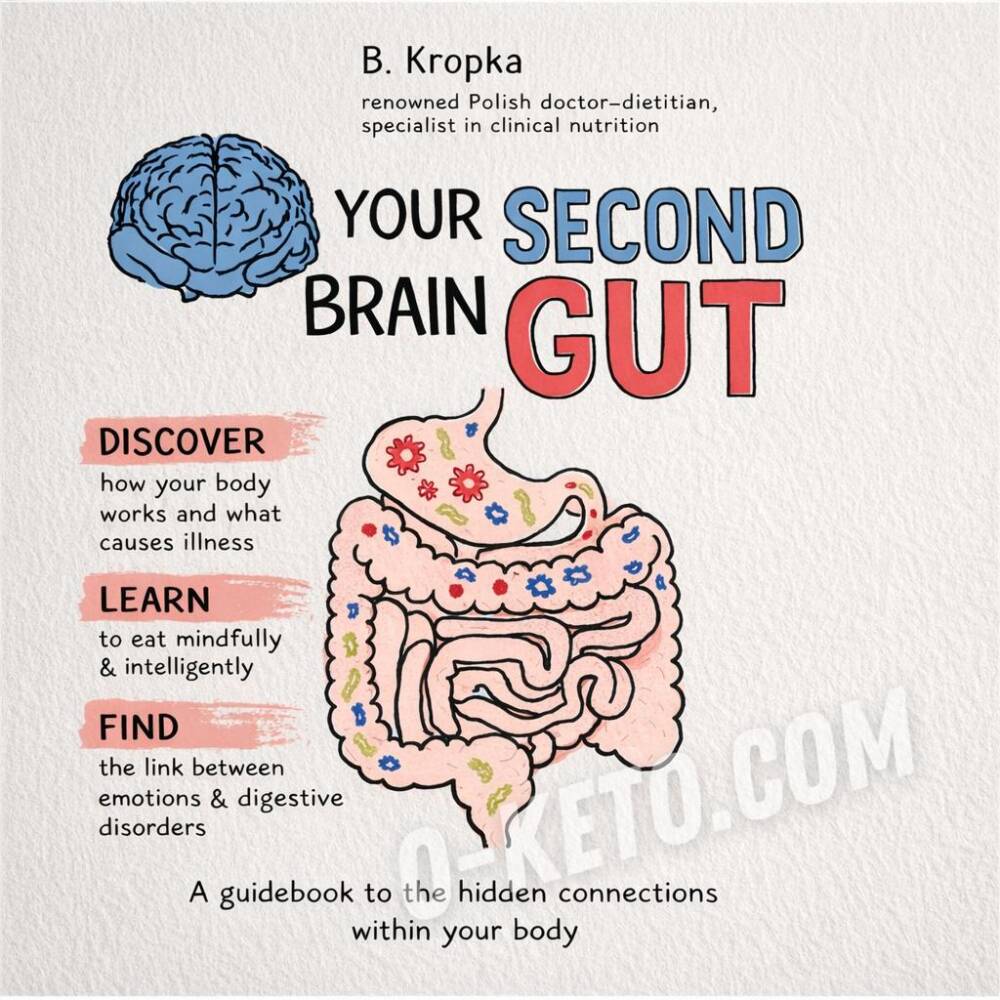
Digestive System
The digestive system is a key link in regulating the health of the entire organism. Here, not only is food digested, but immune responses, inflammation levels, and metabolism are also managed. Its condition determines whether nutrients will be absorbed or turn into a source of chronic problems.
Digestive disorders reflect on the skin, weight, energy levels, and psycho-emotional state. Stress, irregular eating, and low food quality directly disrupt the functioning of the stomach and intestines, triggering systemic failures.
Billions of Our Little Friends – A Word About Bacterial Flora
The intestinal microbiota represents a complex ecosystem of trillions of microorganisms that perform functions comparable to a separate organ. Bacteria are involved in food breakdown, vitamin synthesis, mucosal protection, and the formation of immune responses.
The balance of microbiota determines the integrity of the intestinal barrier. When disrupted, intestinal wall permeability increases, chronic inflammation is activated, and conditions are created for the development of many diseases.
The chapter emphasizes that the health of bacterial flora depends not on isolated probiotic intake but on the intestinal environment: nutrition, lifestyle, stress levels, and the absence of factors that destroy the microbiota.
A Necessary Ally in the Fight Against Diseases
The intestine and its microbiota serve as a crucial ally of the body in maintaining health and resistance to diseases. It is here that a significant part of the immune response is formed, inflammation levels are regulated, and the body's ability to recover from stress and damage is determined.
When the balance of microbiota is disrupted, the immune system enters a state of constant activation. This weakens protective mechanisms, promotes the development of chronic diseases, and reduces the effectiveness of any therapeutic approaches aimed solely at alleviating symptoms.
Food Intolerances
Food intolerances are mostly not true allergies. They are based on a disrupted intestinal barrier and microbiota imbalance, where poorly digested food fragments enter the bloodstream and trigger an immune response.
Chronic inflammation, stress, and frequent medication use increase intestinal permeability. As a result, familiar foods begin to be perceived by the body as potential threats, forming a wide range of symptoms – from digestive to skin and neurological.
The key idea of the chapter is that eliminating food intolerances is impossible without restoring intestinal function. Excluding foods only temporarily reduces symptoms, while sustainable improvement is achieved through restoring microbiota and mucosal integrity.
Obesity and Food Intolerance
Obesity is viewed as a consequence of disrupted metabolic regulation and chronic inflammation closely related to the state of the intestine. In food intolerance, the immune system is constantly activated, affecting appetite hormones, insulin sensitivity, and the body's ability to efficiently expend energy.
A constant reaction to unsuitable foods maintains a stressful metabolic state, where the body tends to accumulate fat even with limited food intake. In such conditions, classic diets yield short-term and unstable results.
Proper Nutrition
Proper nutrition is understood not as a strict diet or calorie counting, but as a system that creates favorable conditions for restoring the intestine and microbiota. The key factor becomes the tolerance of foods and their impact on inflammatory processes.
Food should support the integrity of the intestinal wall, reduce the load on the immune system, and promote normalization of metabolism. The quality and individual response to foods prove to be more important than the formal balance of nutrients.
The main conclusion of the chapter is that sustainable weight loss is only possible with the restoration of the body's normal response to food. Without eliminating food intolerances and chronic inflammation, any attempts at body weight correction remain temporary.
Medical Examination – The Path to the Right Diagnosis
An accurate diagnosis is impossible without a comprehensive approach to examining the body. Isolated treatment of symptoms does not allow for the identification of the true causes of diseases, which are often related to intestinal dysfunction, chronic inflammation, and regulatory failures.
A competent medical examination should focus on identifying functional disorders, assessing the condition of the digestive system, immune response, and metabolic processes, rather than merely recording individual indicators.
We Are Just a Few Steps Away from Health!
Restoring health is presented as a sequential and logical process consisting of several key steps. Correcting nutrition, restoring microbiota, reducing inflammation, and eliminating overload factors trigger the body's self-regulation mechanisms.
Even small but systematic changes can lead to sustainable improvements in well-being if they target the causes rather than masking symptoms.
Mental Health
The mental state is closely linked to the physiology of the intestine. The intestinal microbiota is involved in the synthesis of neurotransmitters and the regulation of stress responses, so its disruption directly affects mood, anxiety levels, and cognitive functions.
Chronic inflammation and digestive disorders can manifest as depressive and anxious states, sleep disturbances, and concentration issues. Working solely with the psyche without restoring bodily foundations yields limited effects.
The main idea of the chapter is that mental health cannot be separated from the state of the body. Restoring the intestine and physiological balance is a necessary condition for sustainable emotional and mental well-being.