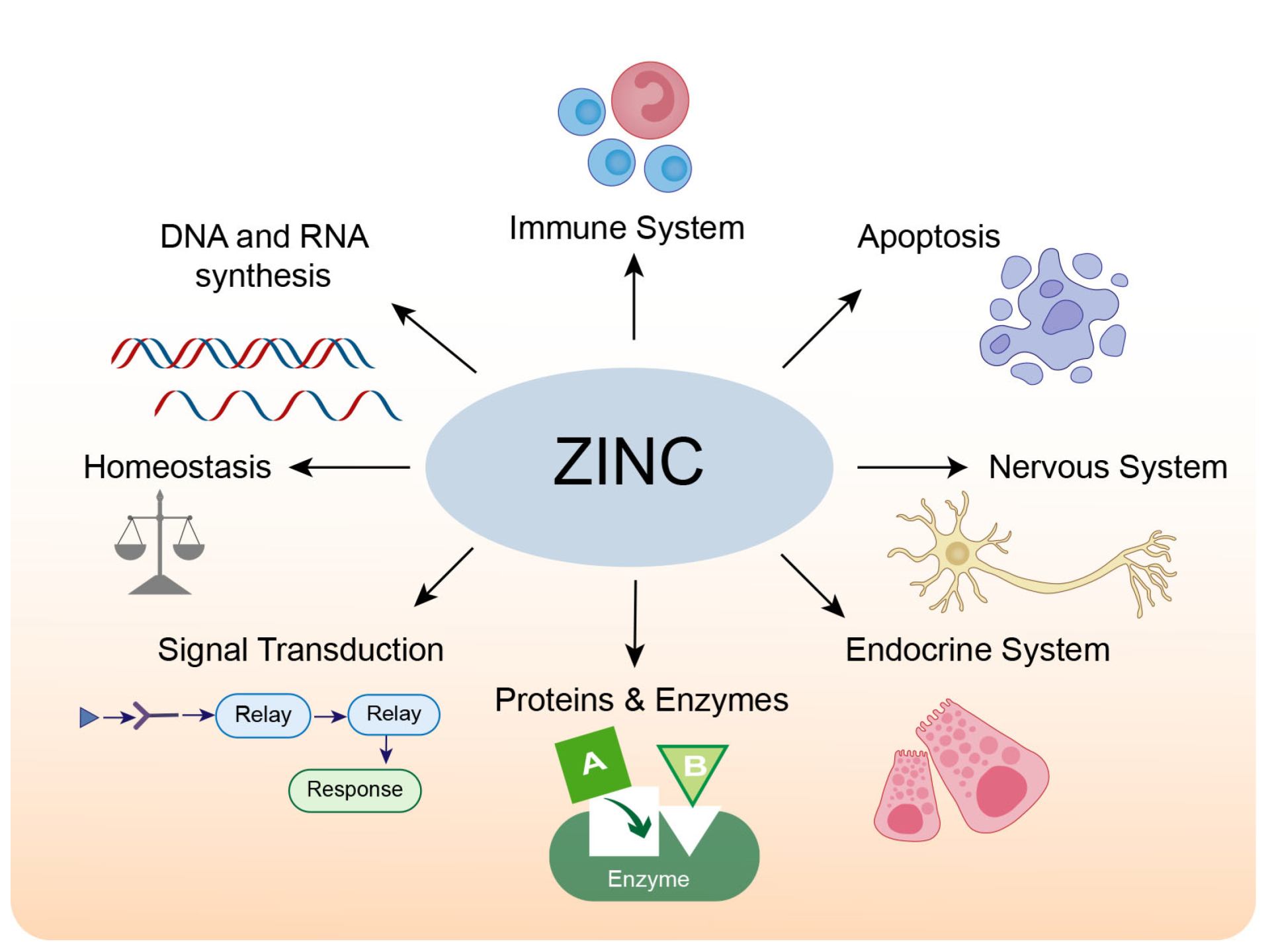
Zinc is one of the most important trace elements necessary for maintaining human health. It is involved in more than 300 enzymatic reactions, regulating gene expression, and supporting immune function. It plays a critical role in numerous biological processes, including cell growth, differentiation, and the functioning of the immune system.
Zinc is essential for the proper functioning of the immune system, wound healing processes, cell division, and DNA synthesis. Zinc is also important for maintaining the sharpness of taste and smell.
Moreover, this trace element affects blood insulin levels, participates in carbohydrate metabolism, and supports normal nervous system function.
Diagram of the biological role of zinc in the human body.
Health Benefits
Immune System. It helps the body fight infections and speeds up wound healing.
Bones. This mineral actively participates in the mineralization of bones, making it important for bone tissue health.
Taste and Smell Perception. Zinc deficiency can lead to a decrease in these senses, which significantly affects quality of life.
Treatment of Various Diseases. For example, it may be effective in treating colds and some skin diseases such as eczema.
Antioxidant Properties. It helps protect cells from oxidative stress, which may reduce the risk of chronic diseases.
Sperm Quality. Studies show that adequate zinc levels are associated with improved fertility in men.
Eye Health. It helps prevent age-related macular degeneration and other vision problems.
Daily Requirement
The daily requirement for zinc varies depending on age, sex, and physiological condition.
For adult men, the recommended dosage is 11 mg, while for adult women it is 8 mg. Pregnant and breastfeeding women require an increased amount of zinc — up to 11-13 mg per day.
Possible forms and their absorption
Nutrient forms are listed from best to worst:
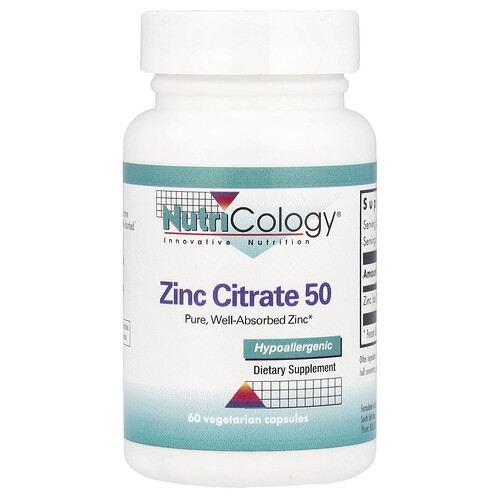
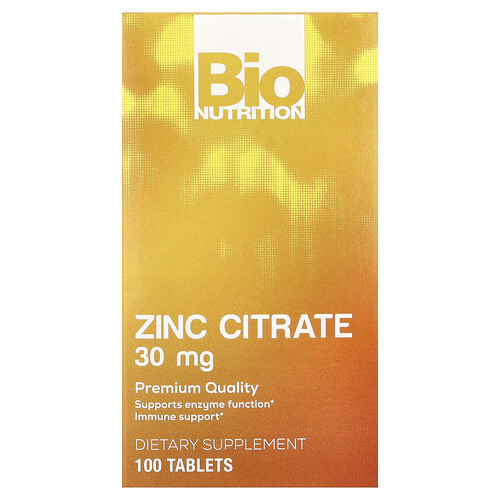
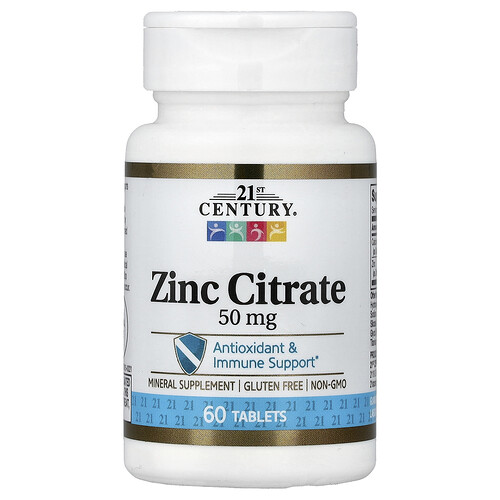
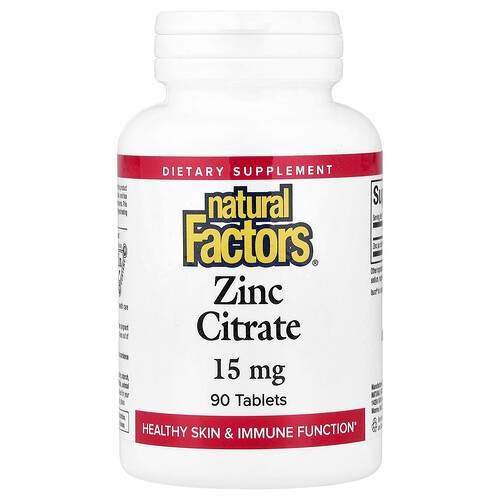
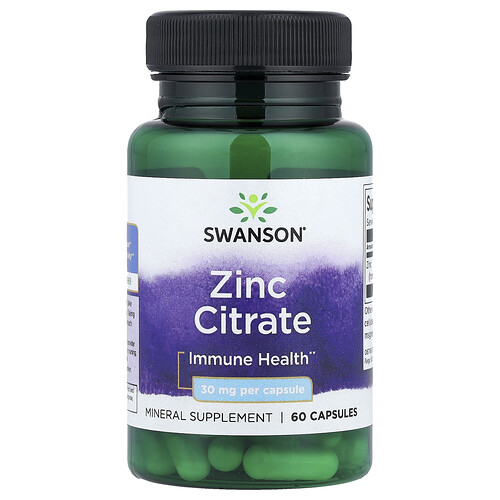
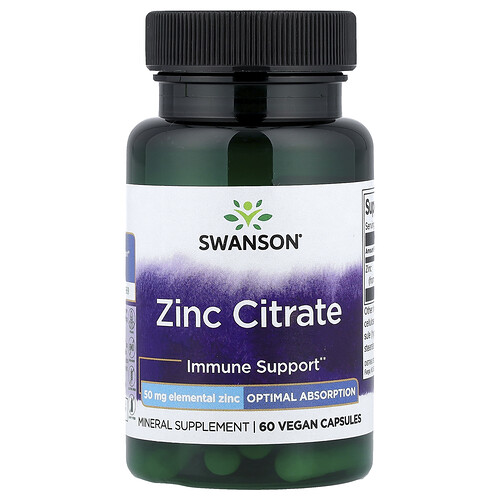
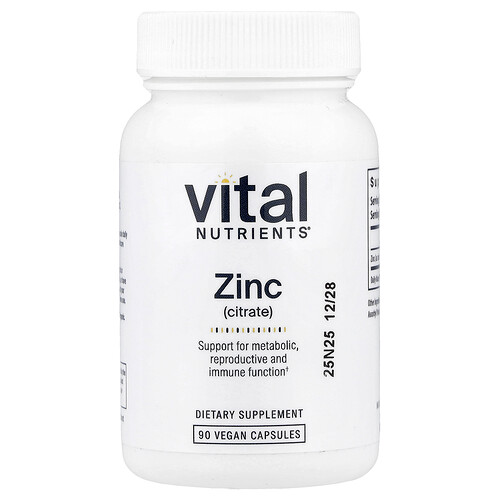
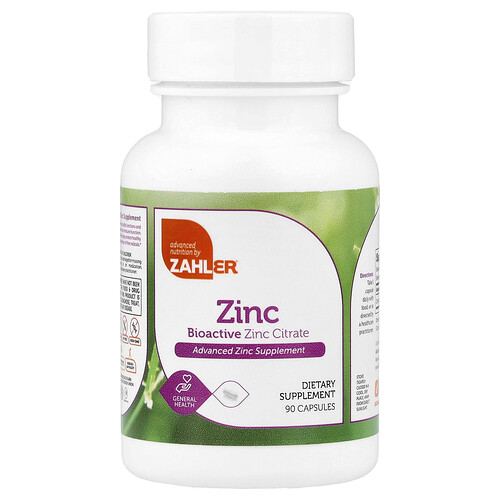
Zinc citrate. Zinc organic compound with citric acid. It has high bioavailability - about 61%. It is recommended for supplementation to address zinc deficiency.
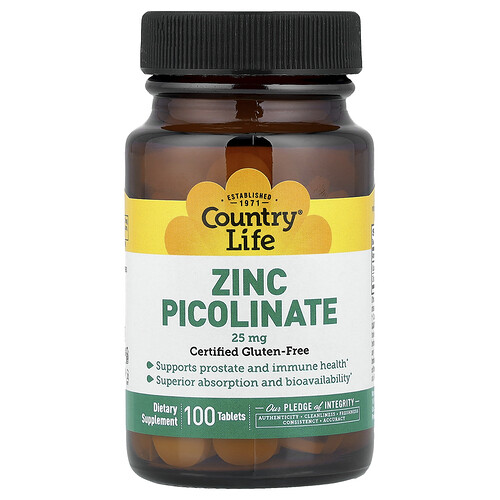
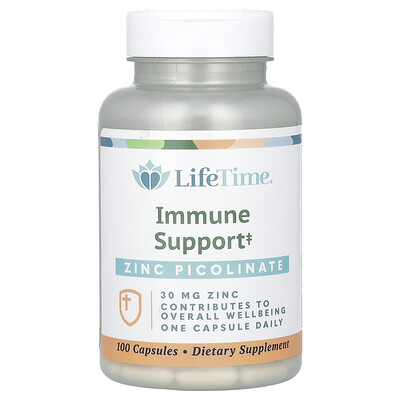
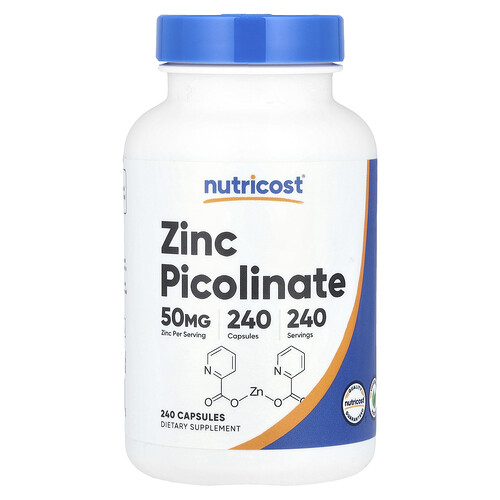
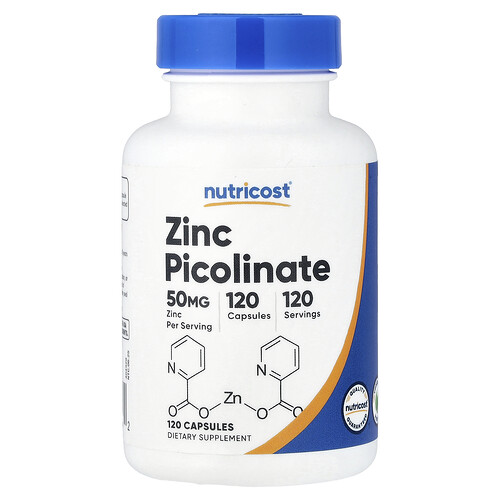
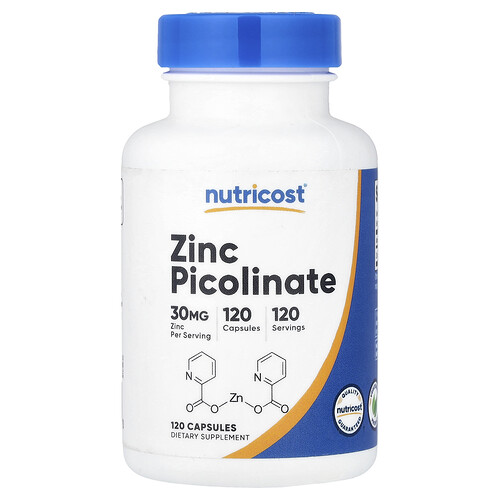
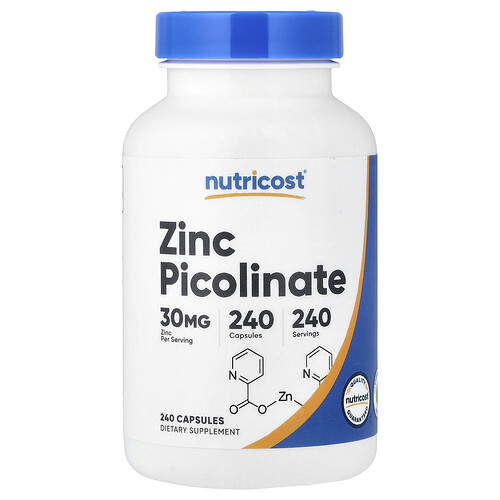
Zinc picolinate. Zinc salt and picolinic acid. The bioavailability is approximately 60.9%. Suitable for individuals with low gastric acidity, as it is well absorbed under such conditions.
Options on iHerb:
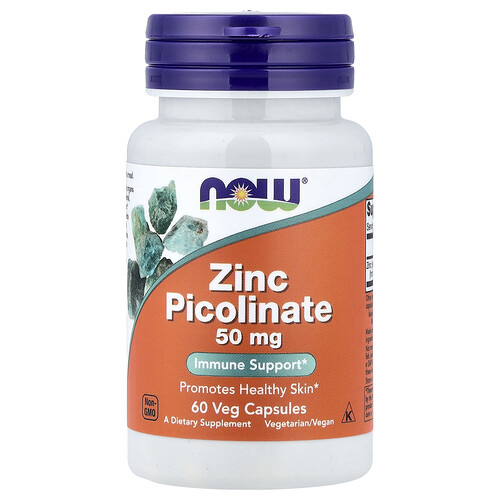
NOW Foods, Zinc Picolinate, 50 mg, 120 Veg Capsules
Buy
≈ $11.98
Thorne, Zinc Picolinate, 30 mg, 180 Capsules
Buy
≈ $40.67
California Gold Nutrition, Zinc Picolinate, 50 mg, 120 Veggie Capsules
NOW Foods, Zinc Picolinate, 50 mg, 60 Veg Capsules (50 mg per Capsule)
≈ $6.63
Buy
iHerb
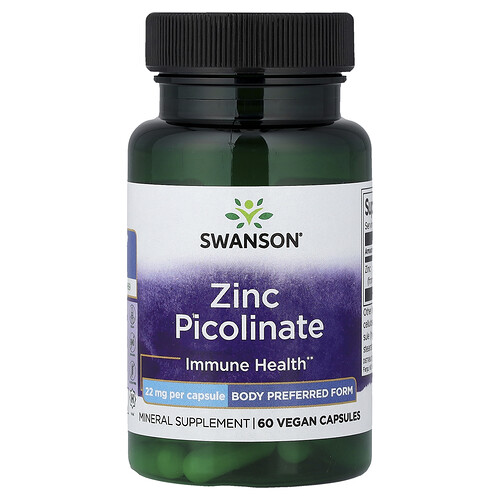
Swanson, Zinc Picolinate, 22 mg, 60 Capsules
≈ $3.89
Buy
iHerb
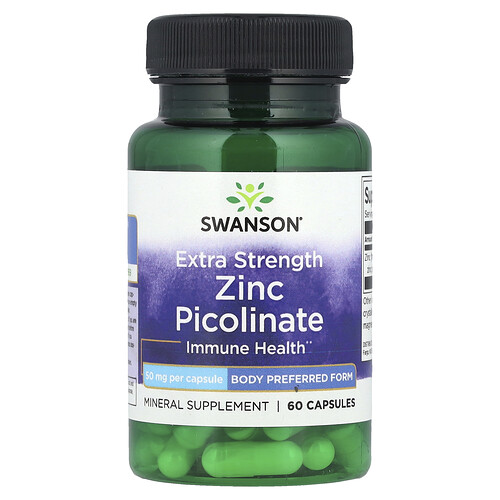
Swanson, Extra Strength Zinc Picolinate, 50 mg, 60 Capsules
≈ $5.92
Buy
Zinc acetate. Organic form with a bioavailability of about 60.9%. Often used in lozenges for the treatment of colds and strengthening the immune system.
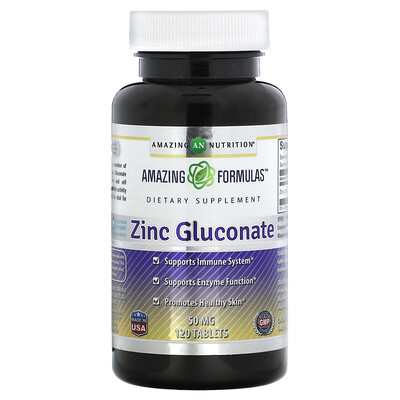
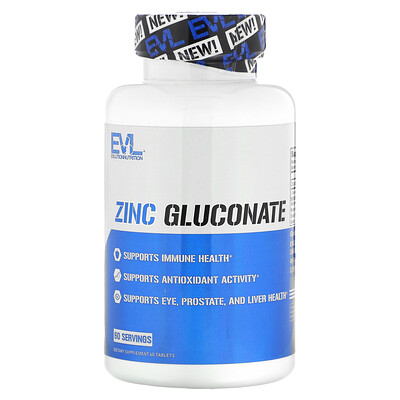
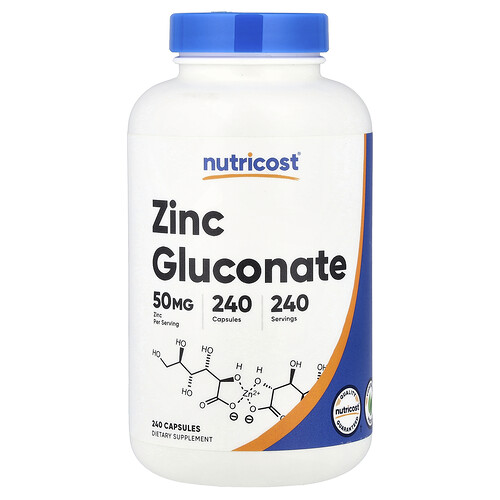
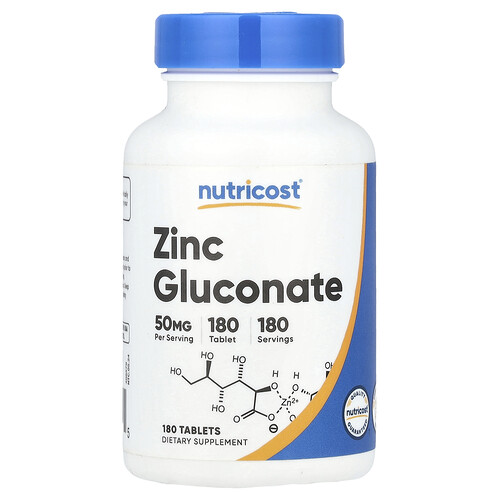
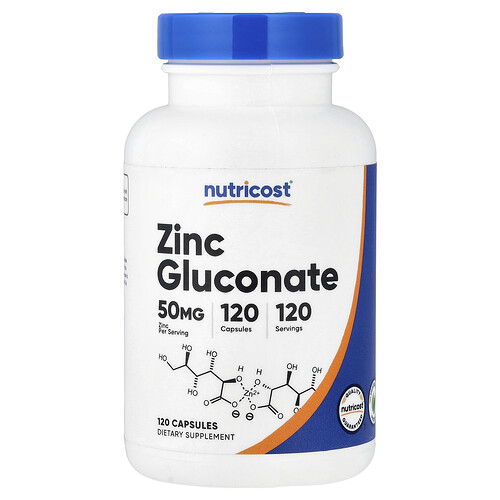
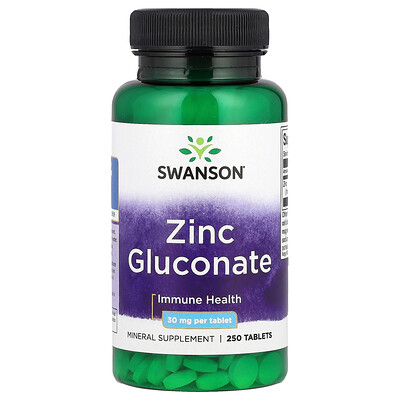
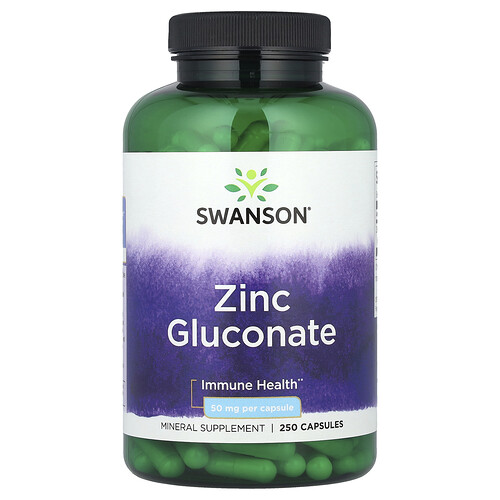
Zinc gluconate. Gluconic acid and zinc salt. The bioavailability is approximately 60.9%. Widely used in supplements due to good absorption and availability.
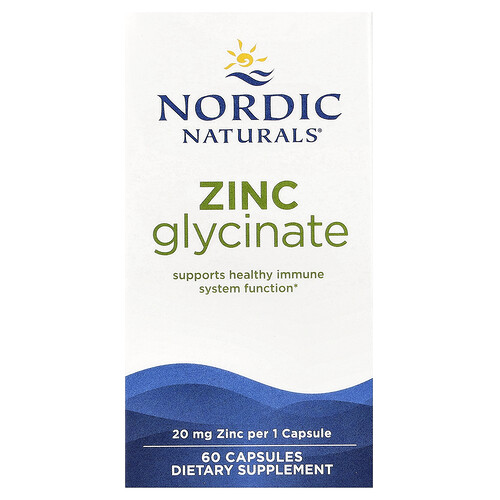
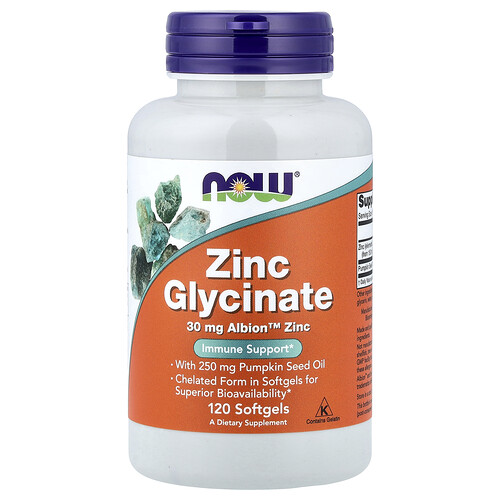
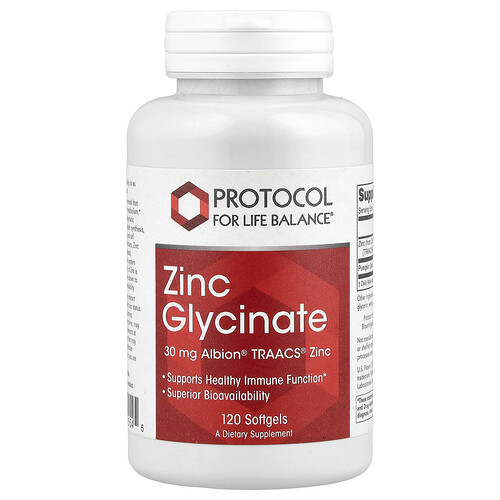
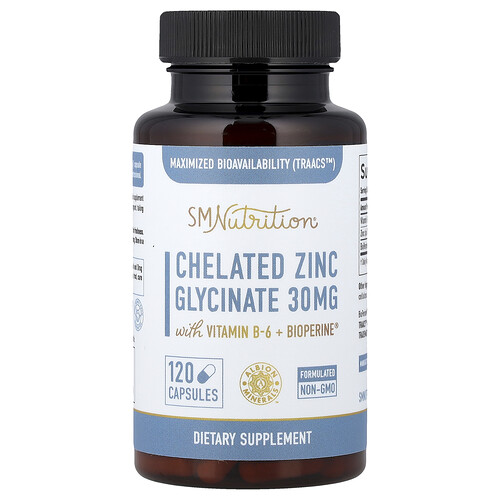
Zinc glycinate. Chelated form in which zinc is bound to the amino acid glycine. It has a bioavailability of about 54%. It is considered gentle on the gastrointestinal tract and less likely to cause side effects.
Options on iHerb:
21st Century, Chelated Zinc, 60 Tablets
Buy
≈ $2.86
The exact form is not specified. It can be either zinc glycinate, gluconate, or picolinate.
More 5 products
iHerb
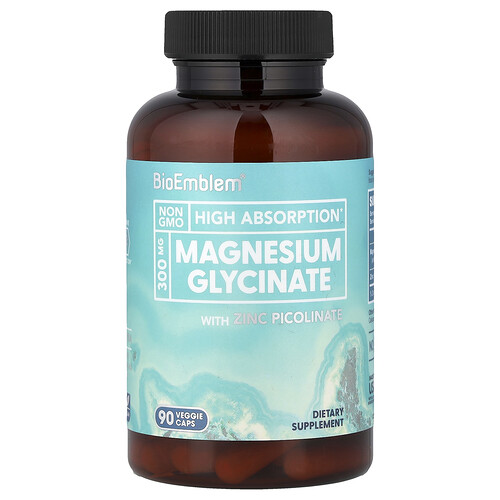
BioEmblem, Magnesium Glycinate with Zinc Picolinate, 90 Veggie Caps
Zinc monomethionine. The combination of zinc with the amino acid methionine. The bioavailability is about 58%. It is often used in sports nutrition to support immunity and recovery.
Options on iHerb:
Life Extension, Zinc Caps, High Potency, 50 mg, 90 Vegetarian Capsules
Buy
≈ $7.62
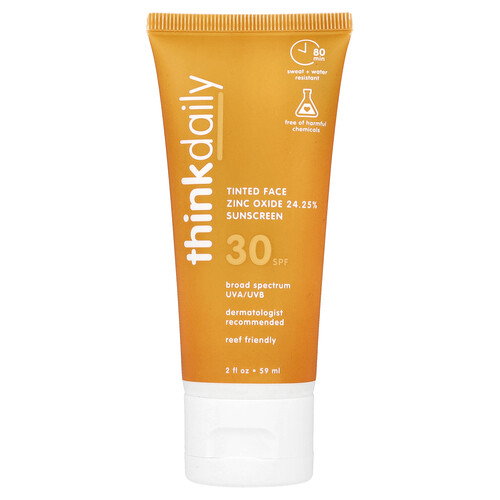
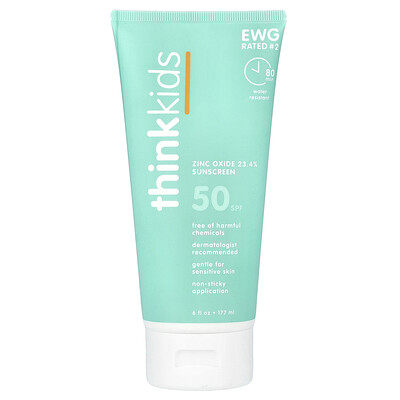
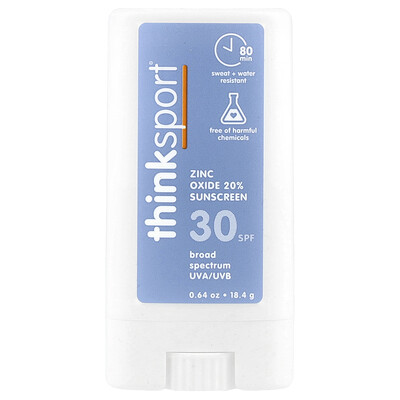
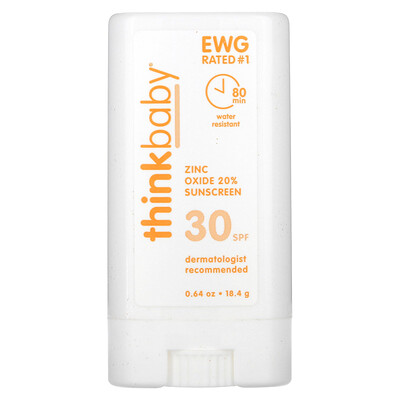
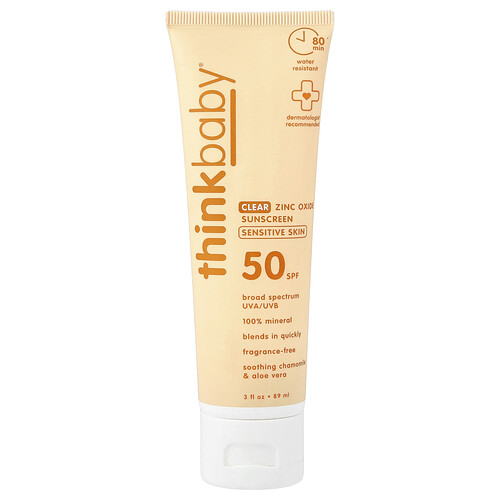
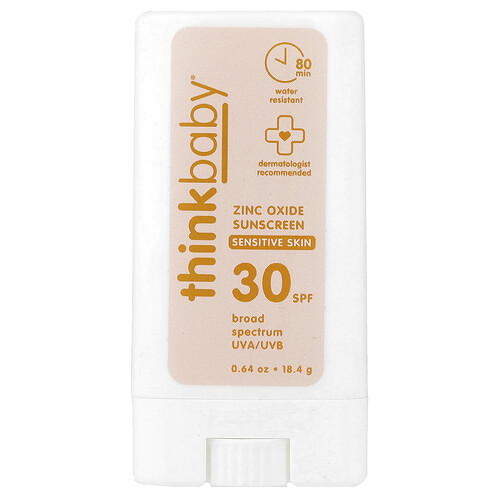
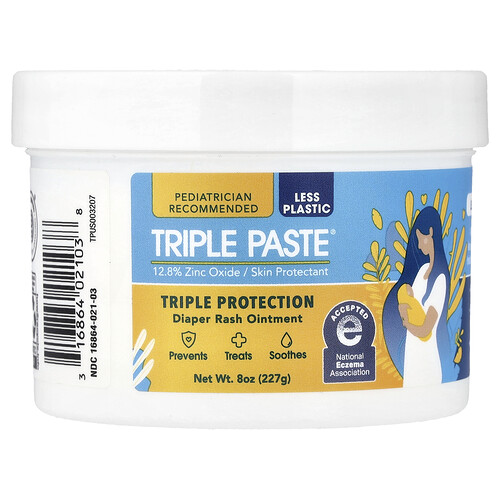
Zinc oxide. Inorganic form with low bioavailability — about 48%. Often used in topical preparations such as ointments and creams, but less preferred for internal use due to poor absorption and biotoxicity!
Options on iHerb:
21st Century, Calcium Magnesium Zinc + D3, 250 Tablets
Buy
≈ $13.21
More 10 products
iHerb
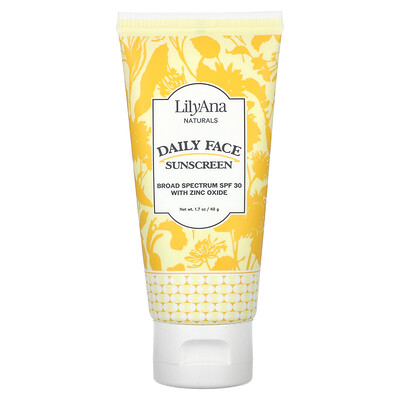
Lilyana Naturals, Daily Face Sunscreen, SPF 30 with Zinc Oxide, 1.7 oz (48 g)
Zinc sulfate. Inorganic form with a bioavailability of about 48%. It may cause gastrointestinal irritation and is less commonly used in modern supplements.
Health Consequences of Deficiency
Zinc deficiency can reduce the body’s ability to regenerate tissues and heal wounds, as well as affect the normal development and functioning of the reproductive system.
Other consequences of zinc deficiency include an increased risk of infectious diseases, slowed growth and development in children, deterioration of skin, hair, and nails, as well as possible disturbances in taste and appetite.
Psychological symptoms include decreased attention span, depression, and apathy, which are directly related to the critical role of zinc in neurotransmission.
Risks of Excess and Toxicity
Zinc toxicity usually manifests as gastrointestinal disorders, headaches, and fatigue, and can lead to more serious consequences, such as suppression of immune function and imbalance of other important trace elements in the body.
According to the National Institutes of Health (NIH), the upper intake level for zinc for adults is 40 mg per day.
Taking zinc in doses exceeding this limit may lead to copper deficiency, as excess zinc interferes with the absorption of copper by the body.
Additionally, consuming more than 50 mg of zinc daily for several weeks may cause negative effects, including a decrease in “good” cholesterol (HDL) levels and changes in immune system function.
Dietary Sources on a Keto Diet
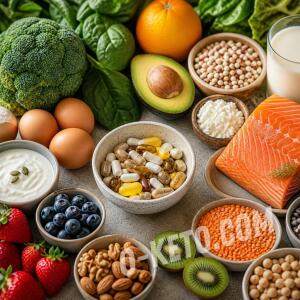
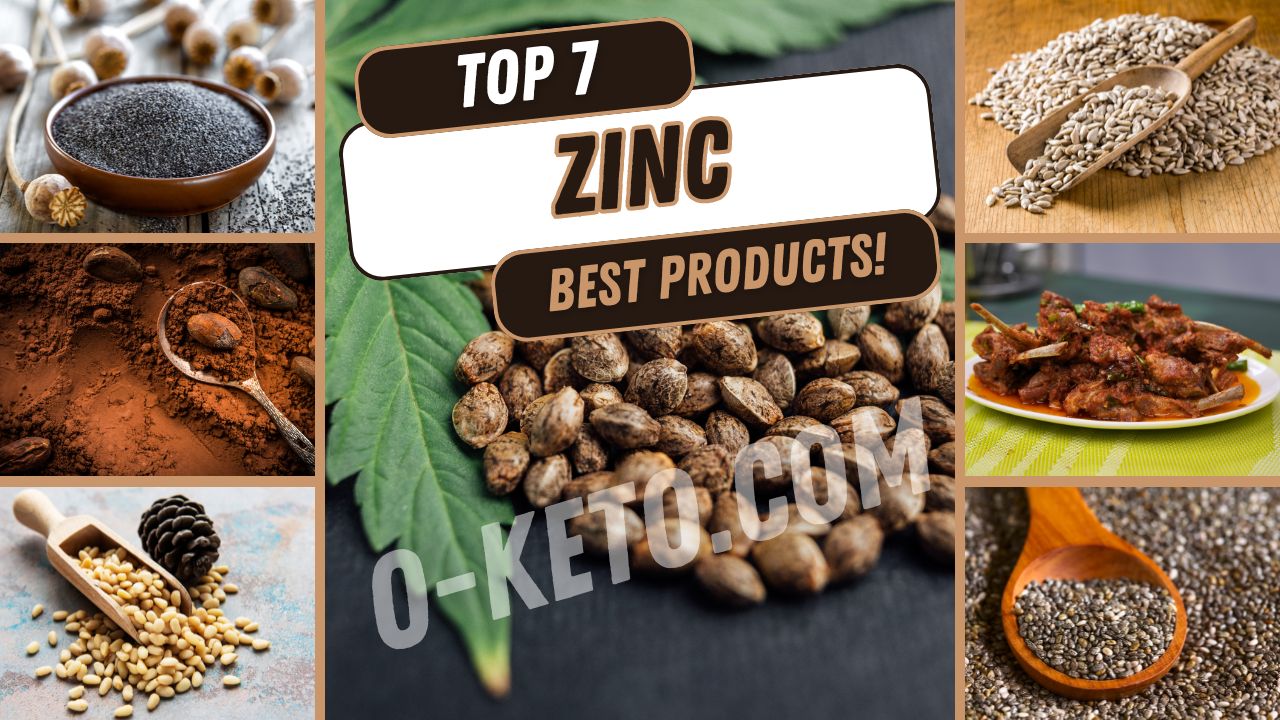
To maintain zinc levels on a keto diet, it is essential to include foods rich in this element. Excellent sources of zinc include:
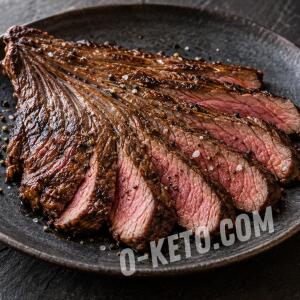
Meat: beef, pork, lamb.
Seafood: oysters and crabs rank among the highest in zinc content.
Pumpkin seeds: an ideal snack option that not only supports zinc levels but also enriches the diet with healthy fats and fibers.
Other good sources include flaxseeds, hard cheeses, and eggs.
Interesting Facts About Zinc
Discovered in 1746. Swiss alchemist and mineralogist A. C. M. Bergman was the first to isolate zinc in pure form, although the metal had been used long before in various alloys and jewelry.
Important element for the growth and development of children. It is necessary for normal cell growth and contributes to brain development in children.
Alcohol abuse. Alcohol affects zinc absorption and can lead to its deficiency.
Skin health. It is used in various creams and ointments for treating acne and other skin diseases due to its anti-inflammatory properties.
Plant sources of zinc are less bioavailable than animal sources. Phytates found in grains and legumes can bind to zinc and hinder its absorption.
What to keep in mind
Zinc from foods and supplements is absorbed less efficiently when the diet contains a lot of phytates, so grains and legumes can noticeably reduce its availability. Form and timing really matter here, especially if deficiency is already present.
Long-term high-dose zinc can cause secondary copper deficiency. Zinc can also interfere with the absorption of some antibiotics and penicillamine, so with therapeutic dosing, timing and compatibility matter as much as the milligram amount.
PubMed studies(3)
✓Statement of Retraction: Zinc finger protein 521 attenuates osteoarthritis via the histone deacetylases 4 in the nucleus.2026 05 21 · Bioengineered
✓screening of compounds for targeting gastric cancer with Y220C p53 mutation: a molecule combining zinc chelation and a Michael acceptor drives and expression to restore a p53-dependent cytotoxicity.2026 05 21 · Journal of enzyme inhibition and medicinal chemistry
✓Formulation and characterization of ascorbic acid-based zinc oxide nanoparticles for assessing antidiabetic and neuroprotective effects in STZ-induced diabetic rats.2026 04 28 · Artificial cells, nanomedicine, and biotechnology
Your Body May Be Begging for Zinc: 7 Warning Signs
26.09.2026 23:00
1 min
Your Body Is Begging for Zinc
31.08.2026 13:30
1 min
The BIG Zinc Mistake
15.04.2026 10:00
8 min
Your Body Is Begging for Zinc (Warning Signs You Can’t Ignore)
20.02.2026 13:01
1 min
Your Body Is Begging for Zinc If You Have This
12.01.2026 13:01
1 min
Your Body Is Begging for Zinc
29.11.2025 13:01
1 min
Your Body Is Begging for Zinc
11.06.2025 12:01
1 min
The Most Dangerous Sign of a Zinc Deficiency
14.05.2025 12:00
1 min
Zinc Every Day for 2 Weeks?
10.05.2025 12:00
1 min
The Most Dangerous Sign of a Zinc Deficiency
07.05.2025 12:00
1 min
Your Body Is Begging for Zinc
03.05.2025 12:01
1 min
Your Body Is Begging For Zinc
16.02.2025 13:00
1 min
Published: 24.05.2024
Updated: 08.07.2026
Any remaining questions? Ask chatGPT.:
If you have any questions about the nutrient "Zinc", you can ask them to AI. Please note, a low-cost OpenAI model is used. It may answer questions about disease treatment with errors!
Ask a question
Disease / Benefit
Dosage
More details
Immune support
For immune support, additionally 250–500 mg of quercetin.
Low doses of zinc are considered as part of a long-term regimen when it is necessary to gently reduce excess free copper and maintain a safer mineral balance.
Zinc is considered one of the basic nutritional supports for restoring olfactory function, and lozenge forms are usually chosen when regular oral intake is less tolerated.
Used as micronutrient support when there is a need to support endogenous testosterone synthesis and reduce the shift toward relative dihydrotestosterone dominance that can promote prostate tissue growth.
Used as a micronutrient support when it is important to maintain normal testosterone synthesis and not leave zinc deficiency as a background for hormonal decline.
Considered as nutritional support in thallium intoxication, when it is necessary to reduce the consequences of displacement of zinc-dependent processes and to more gently go through the recovery period.
Zinc is used as a cofactor for enzyme systems involved in the function of neurotransmitters when it is necessary to support the restoration of dopamine metabolism.
Used as an anti-inflammatory mineral support in seborrhea, especially when it is necessary to gently reduce skin irritation and support barrier recovery.
It is used as an adjunctive nutritional support in ear inflammation when there is a desire to gently support the immune response and the recovery of mucous membranes.
A scheme from a small randomized 4-month study in women aged 15-45 with hair loss. Results cannot be automatically generalized to all individuals with androgenetic alopecia; the type of hair loss should be confirmed before application, and total zinc intake should be considered.
Treatment protocols are provided for informational purposes only. Do not use them on your own if you do not clearly understand what you are doing, are not a nutrition professional, or have not consulted a physician.
Take the test
Test for Possible Causes of Dandruff and Scalp Flaking
Skin, Cosmetology & Appearance
Test for Possible Causes of Dandruff and Scalp Flaking
1 / 2
Take the test
Nail Health Test: Signs of Deficiencies and Imbalances
Skin, Cosmetology & Appearance
Nail Health Test: Signs of Deficiencies and Imbalances
1 / 2
Take the test
Questionnaire for assessing deficiencies in skin, hair, and nails
Vitamins, Minerals & Nutrients
Questionnaire for assessing deficiencies in skin, hair, and nails
1 / 2
Take the test
Zinc deficiency questionnaire
Vitamins, Minerals & Nutrients
Zinc deficiency questionnaire
1 / 2
Take the test
Stomach acidity test with lemon juice
Digestion & Gastrointestinal Tract (GI)
Stomach acidity test with lemon juice
1 / 2
Take the test
Zinc deficiency test by Dr. Ertog.
Vitamins, Minerals & Nutrients
Zinc deficiency test by Dr. Ertog.
1 / 2
List of videos from YouTube about nutrients "Zinc":