


Trace elements
Mineral elements needed in small amounts but critical for enzymes, thyroid function, blood, immunity and antioxidant defense. They include iron, zinc, copper, selenium, iodine, manganese, molybdenum, chromium and others; for many of them excess can be as harmful as deficiency.
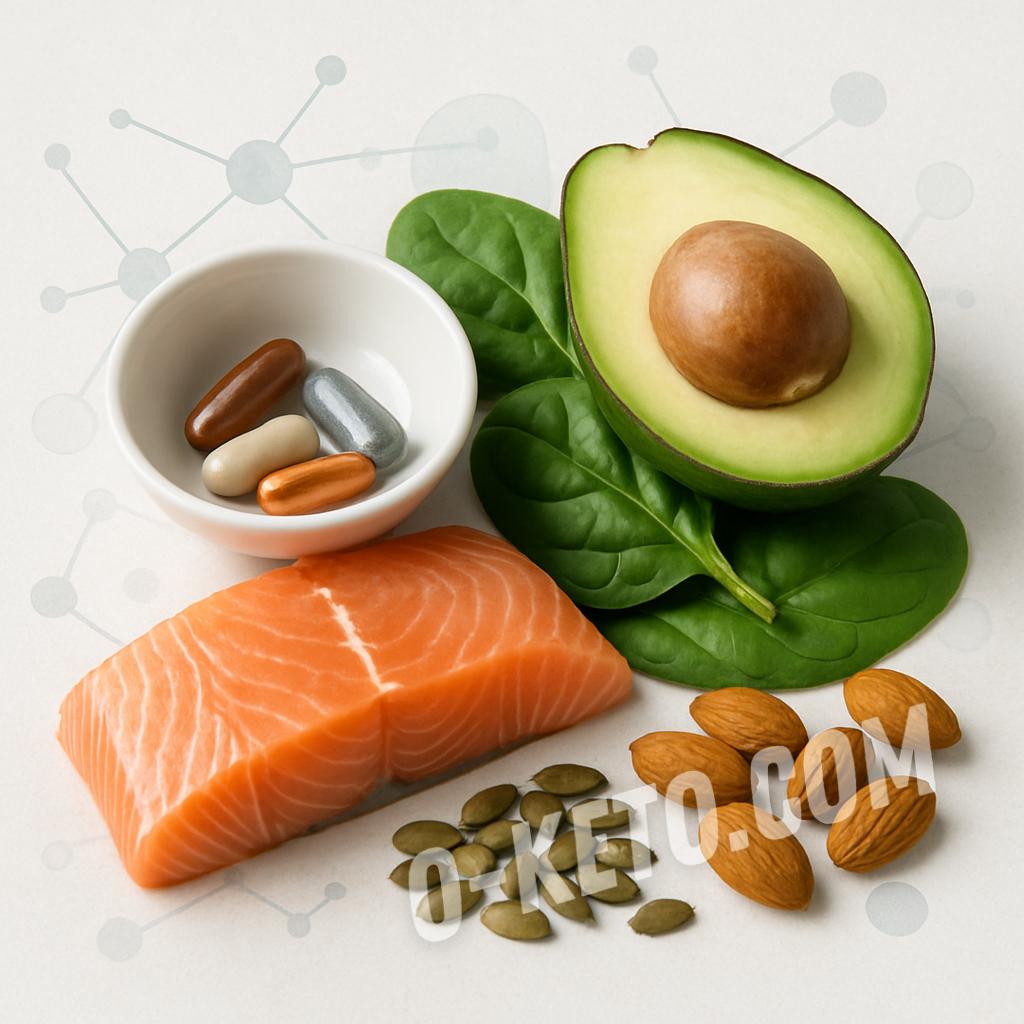
Trace elements are mineral elements required in small amounts, but without them enzymes, hormones, blood, immunity and antioxidant defenses do not work properly. They include iron, zinc, copper, selenium, iodine, manganese, molybdenum, chromium, cobalt and several others. They should not be confused with micronutrients in general. Micronutrients include both vitamins and minerals, while trace elements are specifically low-quantity mineral elements.
In keto and LCHF, trace elements matter because low carbohydrate intake does not automatically mean nutrient density. A diet based on meat, fish, eggs, organ meats, seafood, greens and quality dairy can be very rich in trace elements. A diet based on cream, cheese, butter, coffee, nut desserts and monotonous meat can be low in carbohydrates but still poor in iodine, selenium, copper, iron or zinc. Food quality matters more than the mere absence of sugar.
Iron, zinc and copper
Iron is needed for hemoglobin, myoglobin, mitochondria and many enzymes. Deficiency can cause anemia, weakness, shortness of breath, hair shedding and poor exercise tolerance. But iron should not be taken “for energy” without testing. Excess iron can damage tissues, increase oxidative stress and be dangerous in hemochromatosis. Evaluation should include a complete blood count, ferritin, transferrin saturation and inflammatory context, because ferritin can rise from inflammation as well as from iron stores.
Zinc participates in immunity, skin, wound healing, taste, reproductive function and enzymes. It is supplied by meat, oysters, seafood, eggs and some seeds. Copper is needed for connective tissue, iron metabolism, the nervous system and antioxidant enzymes. Long-term high-dose zinc can reduce copper and cause blood and neurological problems. Trace-element supplements therefore should not be assembled according to the idea that more is better.
Iodine and selenium
Iodine is required for thyroid hormones. In a low-carb diet, sources may include marine fish, seafood, eggs, dairy products and iodized salt. If a person avoids salt completely and does not eat fish or dairy, iodine can become a weak point. Large iodine doses without indication are also risky, especially with autoimmune thyroid disease, thyroid nodules or already impaired thyroid function.
Selenium participates in thyroid deiodinases, glutathione peroxidases and antioxidant protection. Good sources include fish, seafood, eggs, meat and Brazil nuts. Brazil nuts require caution because their selenium content varies widely, and several nuts daily may provide too much. Selenium is a trace element with a narrow safety corridor: deficiency is harmful, but excess can cause brittle nails, hair loss, metallic taste, garlic-like breath and neurological symptoms.
Manganese, molybdenum, chromium and cobalt
Manganese participates in enzymes, connective tissue and mitochondrial antioxidant systems. It comes from nuts, seeds, greens, spices and some vegetables. Molybdenum is needed for enzymes involved in sulfur-containing compounds and purine metabolism, and ordinary food usually supplies enough. Chromium is often promoted for blood sugar control, but chromium supplements are not a universal solution for insulin resistance. Sleep, protein, sugar reduction, physical activity and healthy body composition are much more important.
Cobalt is part of vitamin B12. Humans do not need separate cobalt as a standalone supplement for nutrition; it is more important to obtain B12 from animal foods or supplements when vegan eating or malabsorption is present. This is a good example of why the name of a trace element does not always mean it should be taken in mineral form.
Food sources and supplements
The best trace-element source is varied whole food. Seafood provides zinc, iodine, selenium and copper; red meat and liver provide iron, zinc and copper; eggs and fish add selenium and iodine; greens, nuts and seeds provide manganese and some other elements. In LCHF, this can be built without sugar and starch if the diet is not reduced to a few fatty foods.
Supplements are not always needed. Iron, iodine, selenium, copper and chromium can be harmful when used incorrectly. Even zinc, which many people consider safe, can disturb copper balance when taken in high doses for a long time. If deficiency is suspected, it is better to confirm it with tests, symptoms, diet review and risk factors. Exceptions are situations where a clinician prescribes supplementation for a clear reason: pregnancy, anemia, vegan eating, malabsorption, thyroid disease or confirmed deficiency.
When testing is worth considering
Trace elements deserve discussion with anemia, hair shedding, brittle nails, poor wound healing, taste changes, chronic fatigue, infertility, thyroid disease, long restrictive diets, bariatric surgery, intestinal disease and long-term use of certain medications. Symptoms overlap heavily. Fatigue may involve iron, B12, thyroid function, protein, sleep or depression. A list of symptoms should not be treated blindly with a mineral stack.
A practical keto approach is straightforward: regularly include protein- and mineral-dense foods, use fish and seafood when tolerated, consider iodized salt when there is no contraindication, avoid excessive isolated supplements and test when complaints persist. Trace elements are needed in small amounts, but they require precision. A small amount may be enough, while an unnecessary extra dose can create problems.
If you have any questions about the term "Trace elements", you can ask them to AI. Please note, a low-cost OpenAI model is used. It may answer questions about disease treatment with errors!


 1 / 4
1 / 4

 1 / 4
1 / 4 1 / 4
1 / 4

