


Biological value of protein
Protein biological value describes how amino-acid composition and digestion help meet the body’s needs. BV, PDCAAS, and DIAAS answer different questions; none by itself promises muscle gain or replaces assessment of the whole diet.

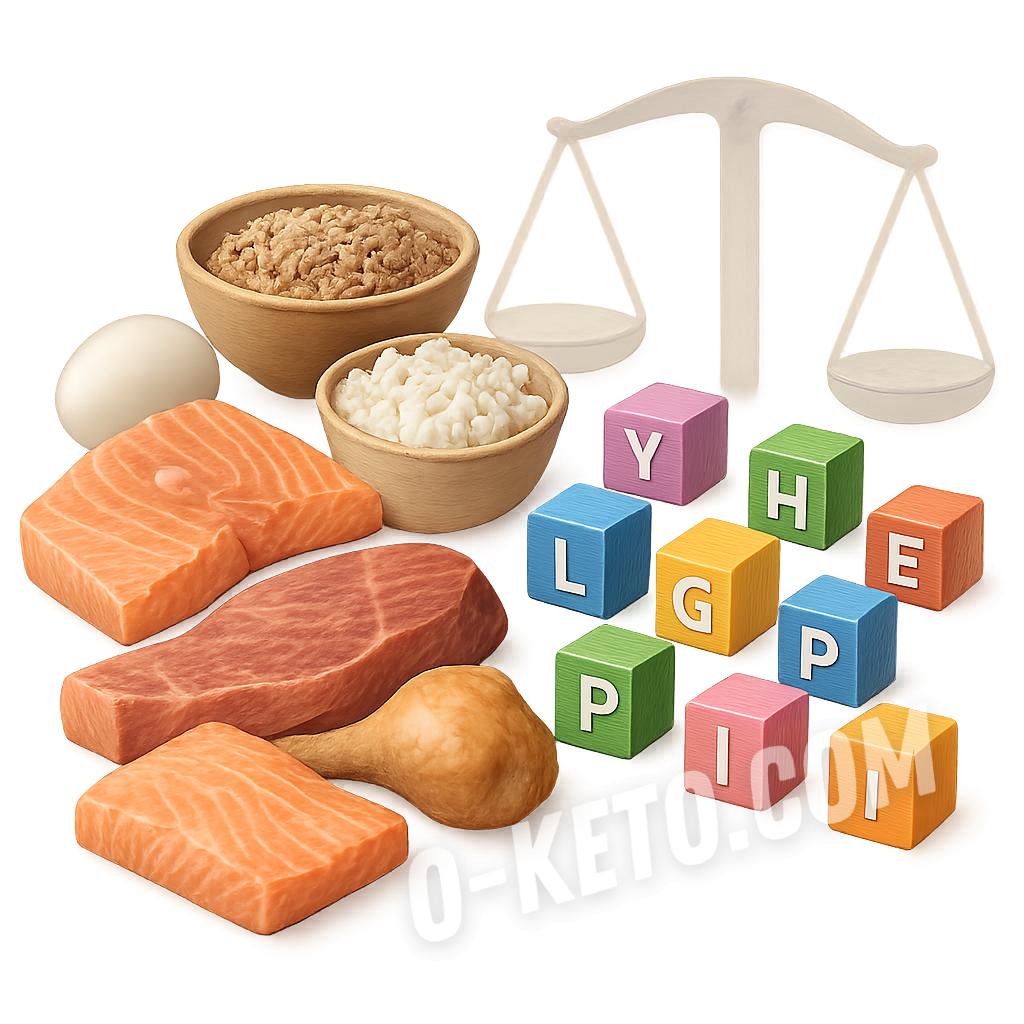
Protein biological value is a common expression for how well a protein can supply indispensable amino acids after digestion and absorption. It is not one single modern laboratory measure: similar wording may refer to biological value, an amino-acid score, PDCAAS, or DIAAS. When comparing foods, identify the method rather than selecting a protein because of one attractive number.
What is being assessed
In other words, the score describes the nutritional usefulness of a protein for a defined purpose rather than issuing a general verdict about the whole food.
The body needs indispensable amino acids in particular amounts and in an available form. If one is relatively scarce, it becomes limiting and restricts the use of the others for protein synthesis. Digestibility and the fraction of amino acids that actually becomes available after a meal also matter. Protein quality is therefore a combination of amino-acid composition, digestibility, and dietary context, not simply a label for animal or plant origin.
What BV means
Biological value was historically estimated from the proportion of absorbed nitrogen retained by the body. It depends not only on the food but also on protein quantity, the rest of the diet, age, health, and experimental conditions. BV can help explain older tables, but it should not be compared directly with DIAAS without considering the method. It is also not a measure of how much muscle a food will build in everyday life.
What PDCAAS means
PDCAAS is a protein digestibility-corrected amino-acid score. The indispensable amino-acid content is compared with a reference pattern, the limiting amino acid is identified, and overall digestibility is then considered. The method is useful for food evaluation but has limitations: it uses overall digestibility, may truncate values above one, and does not separately show the availability of each indispensable amino acid at the end of the small intestine.
What DIAAS shows
DIAAS is a digestible indispensable amino-acid score. It uses true ileal digestibility for individual amino acids, so it can reflect their differences more accurately and is considered a more precise tool for comparing single protein sources. DIAAS still depends on the reference requirement, food processing, analytical method, and whether a single protein or a mixed diet is being assessed. Data are unavailable for many foods, and the number should not become a universal health ranking.
Why a score is not muscle growth
Muscle protein synthesis depends on total daily needs, protein amount, indispensable amino-acid supply, energy, exercise, age, sleep, and health. A high-quality protein can efficiently help meet amino-acid needs, but it does not produce muscle without an appropriate training stimulus and diet. Conversely, proteins with lower scores can be combined and provide a complete amino-acid pattern over the day.
How to compare foods
It is also worth asking whether the reported score was measured in the food as eaten or calculated from an isolated ingredient. A shake, a cooked meal, and a raw ingredient may differ in digestibility even when the label uses the same word for protein quality. The most useful comparison is therefore specific to the food, serving, preparation, and purpose.
Start with the protein amount in a normal serving, then consider amino-acid composition and digestibility. Account for processing: cooking may improve protein availability and reduce antinutrients, while excessive heat or prolonged storage can sometimes reduce the availability of particular amino acids. Different sources complement one another in a mixed diet. The practical value of these scores is planning sufficient, varied nutrition, not finding one “perfect” protein.
Conclusion
BV, PDCAAS, and DIAAS are different protein-quality methods, not interchangeable measures of a food’s overall benefit. DIAAS accounts more directly for digestibility of individual indispensable amino acids, but it does not predict muscle gain or health by itself. Compare the method, serving, processing, and total diet rather than relying on one number on a label.
Sources
- Digestible indispensable amino acid score (DIAAS): 10 years on — Food and Agriculture Organization perspective and review
- Evolution and significance of amino acid scores for protein quality — Frontiers in Nutrition
- Dietary Protein Quality Evaluation in Human Nutrition — Food and Agriculture Organization of the United Nations
- Understanding Dietary Protein Quality: Digestible Indispensable Amino Acid Scores and Beyond — review
If you have any questions about the term "Biological value of protein", you can ask them to AI. Please note, a low-cost OpenAI model is used. It may answer questions about disease treatment with errors!

 1 / 4
1 / 4

 1 / 4
1 / 4


 1 / 4
1 / 4
 1 / 4
1 / 4 1 / 4
1 / 4