


Phosphates
Salts of phosphoric acid and the form in which phosphorus participates in bone, ATP, phospholipids and buffering systems. Phosphorus from whole foods is necessary, but excess phosphate additives from processed foods and impaired kidney excretion require special attention.
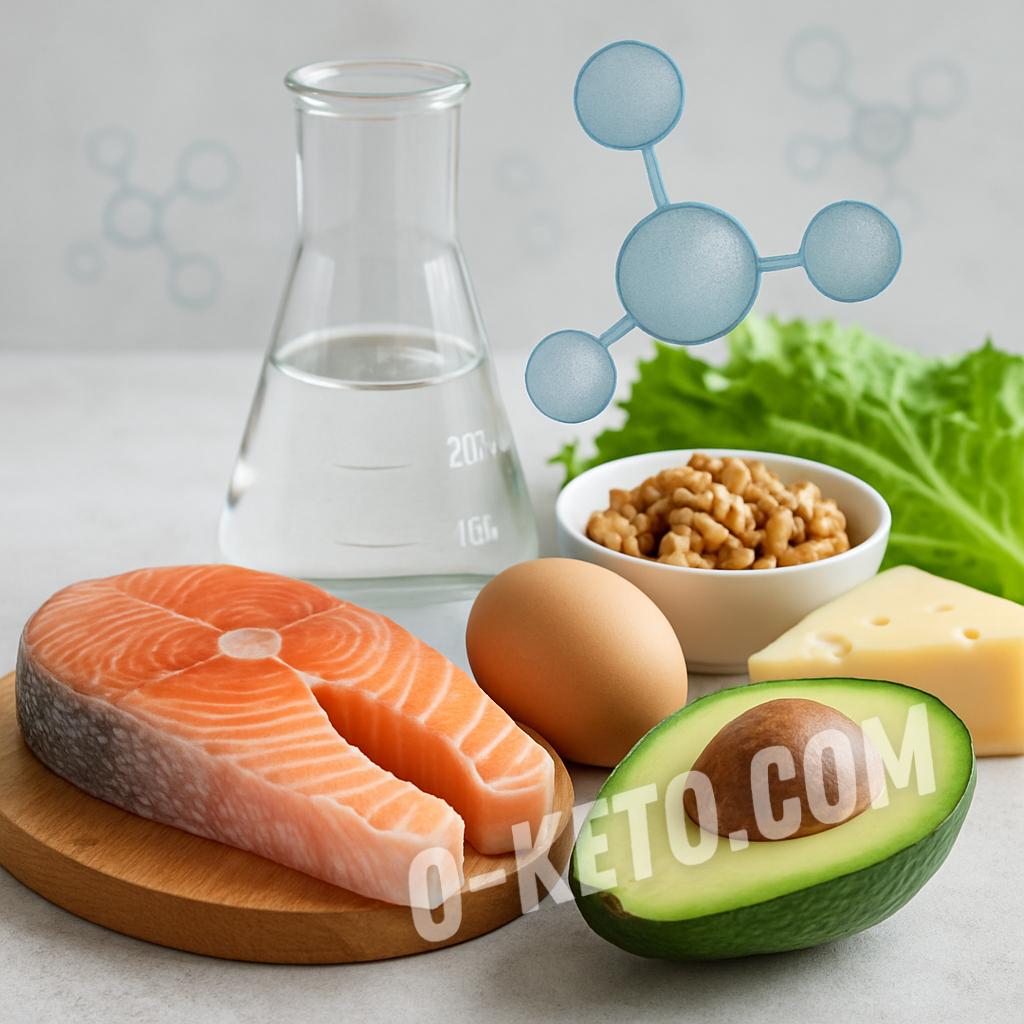
Phosphates are salts and esters of phosphoric acid, and in nutrition and physiology they are connected with the mineral phosphorus. Phosphorus is part of bone tissue, ATP, membrane phospholipids, nucleic acids, blood buffering systems and many enzyme reactions. Phosphates therefore should not be viewed only as food additives or as something automatically harmful. Without phosphorus, energy metabolism, bones, cells and acid-base balance would not function.
The practical problem usually begins not with phosphorus from normal food, but with excess highly absorbable phosphate additives and impaired phosphate excretion by the kidneys. In whole foods, phosphorus arrives together with protein, calcium, magnesium and a food matrix. In processed foods, phosphates may be added as leavening agents, stabilizers, acidity regulators, moisture-retaining agents and melting salts. These forms are often more readily absorbed and can place a greater load on phosphorus metabolism.
Where phosphates are found
Natural phosphorus is present in meat, fish, eggs, dairy products, nuts, seeds, legumes and whole foods. On keto and LCHF, main sources are usually protein foods such as meat, fish, eggs, cheese and cottage cheese. This is normal because phosphorus is required for metabolism and is rarely deficient in people eating enough food. Deficiency can occur with severe depletion, alcoholism, refeeding and some rare disorders, but it is not typical in an ordinary diet.
Added phosphates appear in processed cheeses, sausages, ham, meat products, baking powders, soft drinks, powdered mixes, some sauces and products designed to hold water. Ingredient lists may use words such as phosphate, polyphosphate, pyrophosphate, orthophosphate or E-numbers from phosphate groups. In low-carb eating, this is especially relevant to processed meat, processed cheese and ready-made keto products.
Phosphorus, calcium and bone
Bone is made not only from calcium, but also from phosphorus in hydroxyapatite. Healthy bone requires a network of factors: protein, calcium, phosphorus, magnesium, vitamin D, vitamin K, physical loading, hormonal status and kidney function. The idea of simply taking calcium for bones is too narrow, and the idea of fearing phosphorus is also oversimplified. Phosphorus is necessary, but its metabolism must stay coordinated with calcium and hormonal regulation.
Parathyroid hormone, vitamin D and the kidneys regulate blood phosphorus and calcium. When kidney function is impaired, phosphorus may accumulate and bone-mineral and vascular metabolism can be disturbed. In that situation, recommendations about protein, phosphorus and phosphates must be medical, not merely low-carb. A person with chronic kidney disease should not independently increase cheese, meat, phosphate additives or mineral complexes without monitoring.
Phosphate additives and processed food
Phosphate additives are technologically useful. They retain moisture in meat, improve texture, help processed cheese stay smooth, work in leavening agents and regulate acidity. Nutritionally, however, they are a marker of processing. If someone regularly eats sausages, processed cheese, meat products, powdered mixes and beverages with phosphoric acid, they may receive phosphates from additives rather than from whole foods.
This can happen on keto more often than expected. People remove bread and sugar but replace them with sausages, processed cheese, ready-made meat products and packaged sugar-free baking. Carbohydrates may be low, but the mineral and additive load becomes questionable. Phosphates are a good example of why a low-carbohydrate product is not automatically a high-quality product.
Phosphates and the kidneys
The kidneys excrete excess phosphorus and help maintain mineral balance. In chronic kidney disease, the ability to excrete phosphorus decreases, and elevated blood phosphorus becomes a serious risk factor for bone-mineral disorders and vascular calcification. In this situation, a person may be prescribed phosphorus restriction, protein adjustment, phosphate binders and regular blood testing. General keto advice cannot replace that.
Even without diagnosed kidney disease, more attention is warranted with reduced estimated glomerular filtration rate, kidney stones, diabetes, hypertension, older age or medications that affect the kidneys. This does not mean everyone should exclude phosphorus. It means added phosphates and high-dose mineral supplements need context. Whole fish or an egg is not the same as a product containing several phosphate additives.
How to handle phosphates on LCHF
The practical approach starts with food choice. Meat, fish, eggs and natural cheeses can be part of an LCHF diet when tolerated. Processed meats, processed cheeses, powdered mixes and products with a long list of phosphate additives should not be the foundation. This is especially important with kidney problems, high blood pressure, edema or disturbances in phosphorus-calcium metabolism.
If blood phosphorus is elevated, kidney function is reduced or phosphate binders have been prescribed, the diet should be discussed with a clinician. Self-prescribed calcium, vitamin D, phosphorus supplements or very high protein intake can worsen the balance. If kidney function is healthy, food is mostly whole and additives are minimal, phosphates from normal foods are usually not a separate problem. As with most minerals, context, form and amount decide the meaning.
If you have any questions about the term "Phosphates", you can ask them to AI. Please note, a low-cost OpenAI model is used. It may answer questions about disease treatment with errors!


 1 / 4
1 / 4 1 / 4
1 / 4 1 / 4
1 / 4


 1 / 4
1 / 4 1 / 4
1 / 4