


Retinol
This active form of vitamin A is needed for vision, immunity, skin, mucous membranes, reproduction, and gene regulation. It is important to separate retinol from animal foods from plant carotenoids and to remember that high doses can be toxic, especially in pregnancy.
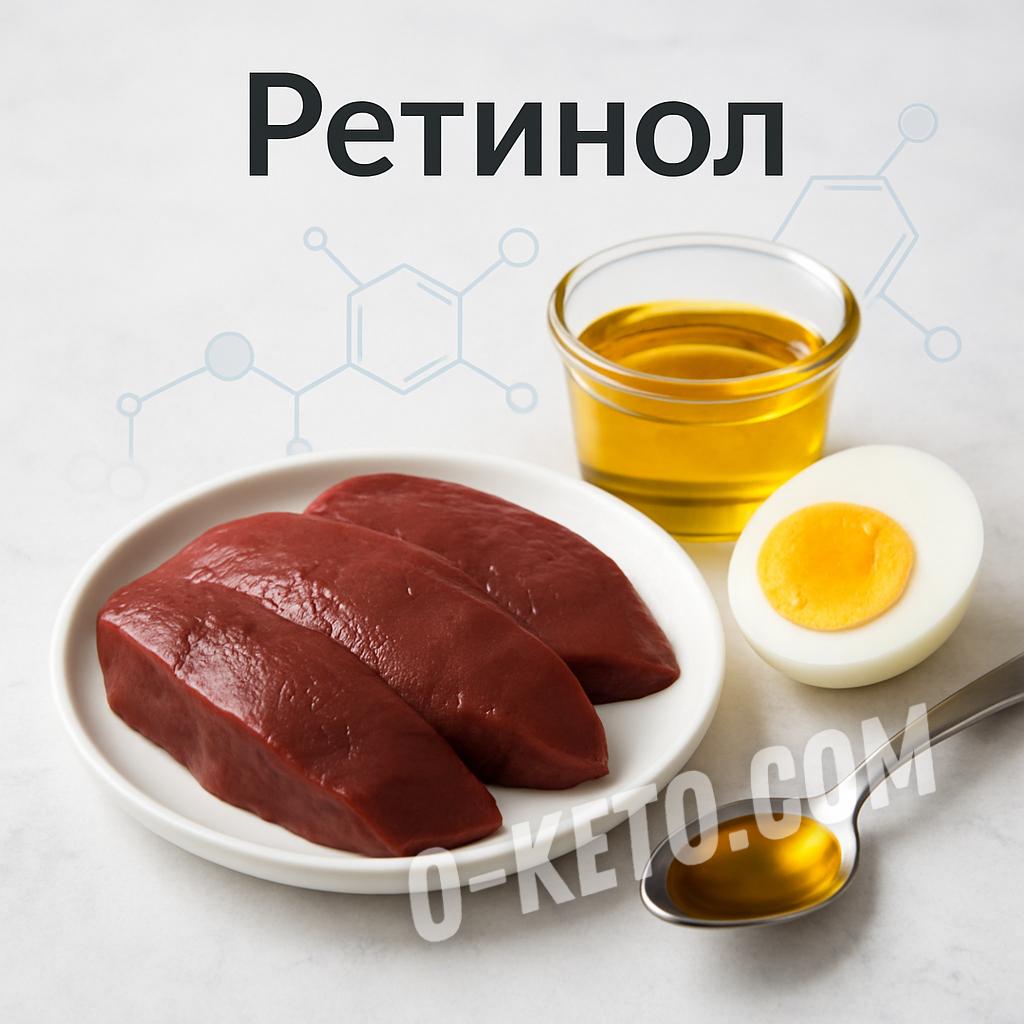
Retinol is an active form of vitamin A found in animal foods and converted into other retinoids in the body. It is needed for vision, immune defense, skin, mucous membranes, growth, reproduction, and regulation of gene expression. Vitamin A is often associated only with eyesight, but its role is broader. It helps epithelial tissues mature and remain resilient, supports barrier function in the respiratory tract and intestine, influences cell differentiation, and interacts with hormonal and immune signals.
It is important to distinguish retinol from carotenoids. Retinol and retinyl esters come from liver, fish liver oil, eggs, butter, dairy products, and some organ meats. Beta-carotene and other carotenoids come from carrots, pumpkin, leafy greens, and other plants, but conversion to active vitamin A varies greatly between people. Genetics, fat in the meal, bile flow, gut health, thyroid function, zinc, protein status, and overall nutrient status all influence conversion.
Why vitamin A matters
In the retina, derivatives of retinol participate in the visual pigment rhodopsin. Vitamin A deficiency can therefore impair night vision and contribute to dry eyes. In skin and mucous membranes, retinoids help cells mature normally. When vitamin A is low, epithelial tissues may become less resilient, with more dryness, abnormal keratinization, barrier problems, and susceptibility to infections.
The immune system also depends on vitamin A. It participates in mucosal immunity, regulation of inflammatory responses, and immune cell maturation. This does not mean high-dose retinol boosts immunity. Both deficiency and excess can be harmful. Retinoids work within a narrow useful range, so supplementation requires caution.
Sources in low-carb nutrition
Keto and LCHF diets can fit retinol-rich foods well. Eggs, liver, butter, fatty fish, cod liver, and quality dairy products can all be part of low-carbohydrate eating. Liver is especially rich in vitamin A, so it does not need to be eaten in large portions every day. Small regular portions may be useful, while frequent large portions raise the risk of excess.
Plant carotenoids can also be included in a low-carb menu: leafy greens, broccoli, peppers, and modest amounts of pumpkin or carrot according to tolerance. A person with poor carotene conversion, impaired bile flow, or a very limited diet may still fail to obtain enough active vitamin A from plants alone. Vegan and highly restrictive plans therefore require closer nutrient assessment.
Deficiency and excess
Vitamin A deficiency is more likely with undernutrition, fat malabsorption, intestinal disease, liver or biliary disease, zinc deficiency, chronic infections, and very restricted diets. Possible signs include dry eyes, impaired night vision, dry skin, frequent infections, poor wound healing, and mucous membrane problems. These signs are nonspecific and may overlap with iron deficiency, B12 deficiency, zinc deficiency, omega-3 insufficiency, protein deficiency, and thyroid problems.
Excess retinol is dangerous. Unlike beta-carotene, active vitamin A can accumulate and cause toxicity: headache, nausea, peeling skin, hair loss, bone pain, liver injury, and increased intracranial pressure. Pregnancy requires special caution because high-dose retinol and retinoid medicines can be teratogenic. Pregnant women should not take high-dose vitamin A or eat large portions of liver frequently without medical guidance.
Supplements and skin
Retinol is also well known in skincare. Topical retinoids are used for acne, photoaging, and abnormal keratinization, but cosmetic retinol and oral vitamin A are different issues. Topical products can irritate the skin, increase sun sensitivity, and require caution during pregnancy. Systemic retinoids for severe acne are medicines and require medical supervision.
A practical approach to retinol should be moderate. It is better to obtain vitamin A from food, account for liver and supplements, avoid stacking several products containing retinol, and not treat skin with high oral doses without a clinician. Liver disease, pregnancy, pregnancy planning, retinoid medication, fat malabsorption, or symptoms of deficiency require decisions based on clinical context, not on the idea that more vitamin is always better.
If you have any questions about the term "Retinol", you can ask them to AI. Please note, a low-cost OpenAI model is used. It may answer questions about disease treatment with errors!


 1 / 4
1 / 4 1 / 4
1 / 4
 1 / 4
1 / 4


