


Beta-carotene
An orange-yellow carotenoid and plant provitamin A. It can be converted into retinol, but efficiency depends on dietary fat, bile, gut function, genetics, vitamin A status and the overall diet.
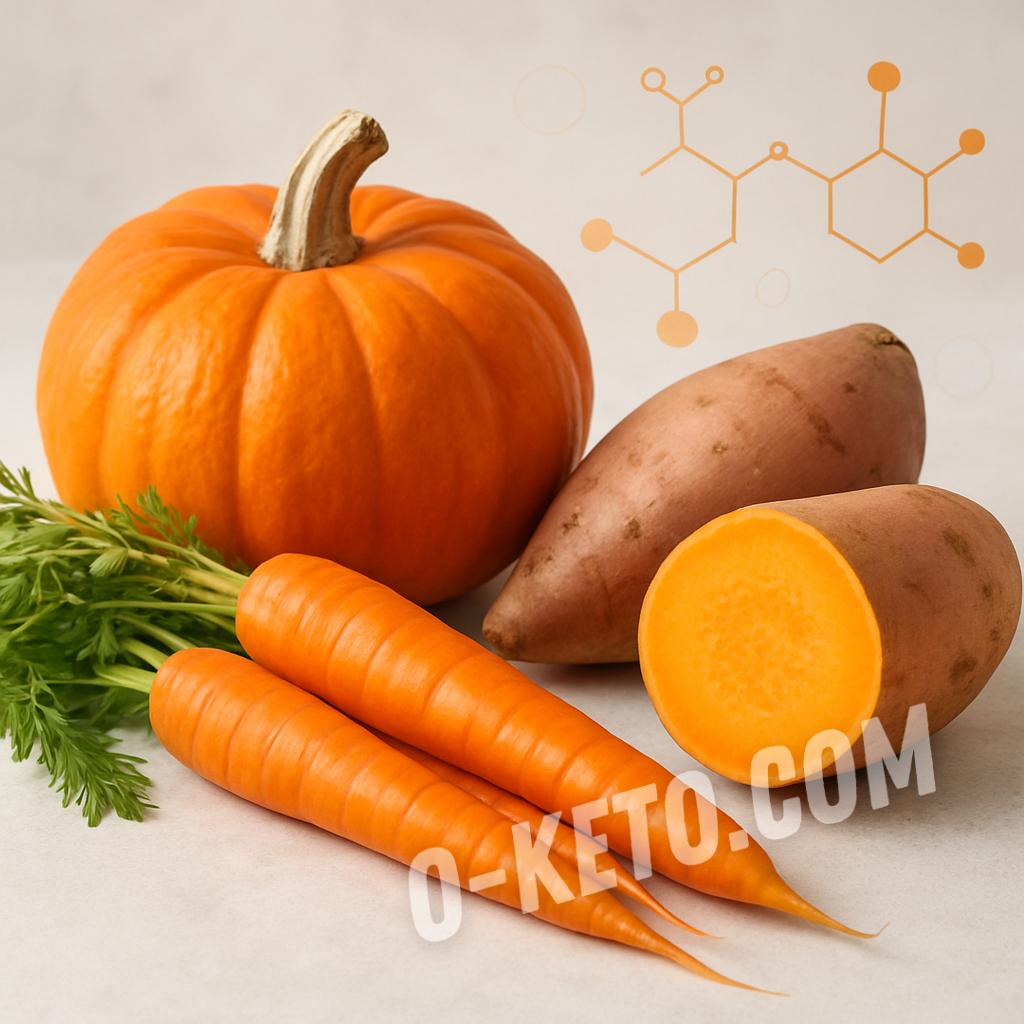
Beta-carotene is a plant carotenoid with an orange-yellow pigment and one of the main provitamin A forms. It is found in carrots, pumpkin, sweet potato, apricots, mango, sea buckthorn, leafy greens and some algae. The body can convert part of beta-carotene into retinol, the active vitamin A form, but this conversion is not equally efficient in everyone and does not always cover the need.
Beta-carotene should not be confused with preformed vitamin A. Retinol comes from animal foods such as liver, egg yolks, butter, fatty fish and dairy fat. Beta-carotene from ordinary food is generally safer because the body regulates its conversion, but with poor fat absorption, bile problems or increased need, plant provitamin A alone may be insufficient.
How it is absorbed
Beta-carotene is fat-soluble, so normal absorption requires dietary fat, bile, pancreatic enzymes and a healthy intestinal lining. A carrot salad without fat will be absorbed less effectively than vegetables eaten with olive oil, egg, avocado or another fat source. Cooking often improves carotenoid availability because it breaks down part of the plant cell wall.
After absorption, beta-carotene can be stored in tissues or converted into retinal and retinol. The conversion rate depends on genetic variants of the BCMO1 enzyme, thyroid status, zinc, protein intake, fat metabolism and baseline vitamin A status. This is why two people eating the same plate of carrots may produce different amounts of active vitamin A.
Why it matters
As a provitamin A source, beta-carotene is connected with vision, immune function, skin, mucous membranes and normal cell differentiation. In the retina, active vitamin A forms participate in the visual cycle, especially dark adaptation. For skin and mucosa, vitamin A helps maintain epithelial renewal, barrier function and resistance to infection.
Beta-carotene itself also acts as an antioxidant pigment in plant foods. But antioxidants in the body do not work by the rule “the more, the better”. The food matrix matters: neighboring carotenoids, vitamin E, polyphenols, minerals and the overall oxidative environment. Vegetables and greens are useful not because they provide one molecule, but because they deliver a broader nutrient complex.
Keto and low-carbohydrate eating
On keto, beta-carotene usually comes from low-carbohydrate vegetables and greens: spinach, cabbage, arugula, parsley, broccoli, zucchini, modest amounts of pumpkin and small portions of carrot. Dietary fat helps carotenoid absorption, but it does not make sweet root vegetables unlimited. The practical balance is between carbohydrate load and nutrient density.
If a person eats almost no plant foods, avoids liver and eggs, has bile problems or takes medication that reduces fat absorption, vitamin A insufficiency risk may be higher. In that situation, beta-carotene from a couple of vegetables may not solve the problem. The whole diet needs to be assessed rather than automatically adding a large carotenoid dose.
Supplements and caution
Beta-carotene from food is usually considered safe. Very large amounts of carrots, pumpkin or supplements can give the skin a yellow-orange tone, especially on the palms and soles. This is called carotenoderma and is usually not the same as vitamin A toxicity, because it reflects carotenoid accumulation rather than excess retinol.
Supplements are more complicated. High doses of synthetic beta-carotene in smokers and people exposed to asbestos have been linked in studies to a higher risk of lung cancer. For this reason, people who smoke should not take large beta-carotene doses for “antioxidant protection”. Getting carotenoids from food and addressing smoking itself is a safer strategy.
Practical conclusion
Beta-carotene is useful as part of a colorful, nutrient-dense diet. It is best eaten with fat and should not be treated as a complete replacement for retinol in every situation. For people with good digestion, adequate protein, normal bile flow and a varied menu, plant carotenoids can support vitamin A status well.
If there are dry eyes, poor night vision, frequent infections, mucosal problems, liver disease or intestinal disease, vitamin A status should not be judged by the amount of carrot in the diet. Sometimes preformed retinol from food is needed, sometimes bile and fat metabolism need support, and sometimes the symptoms are caused by another deficiency entirely.
If you have any questions about the term "Beta-carotene", you can ask them to AI. Please note, a low-cost OpenAI model is used. It may answer questions about disease treatment with errors!


 1 / 4
1 / 4


 1 / 4
1 / 4


