


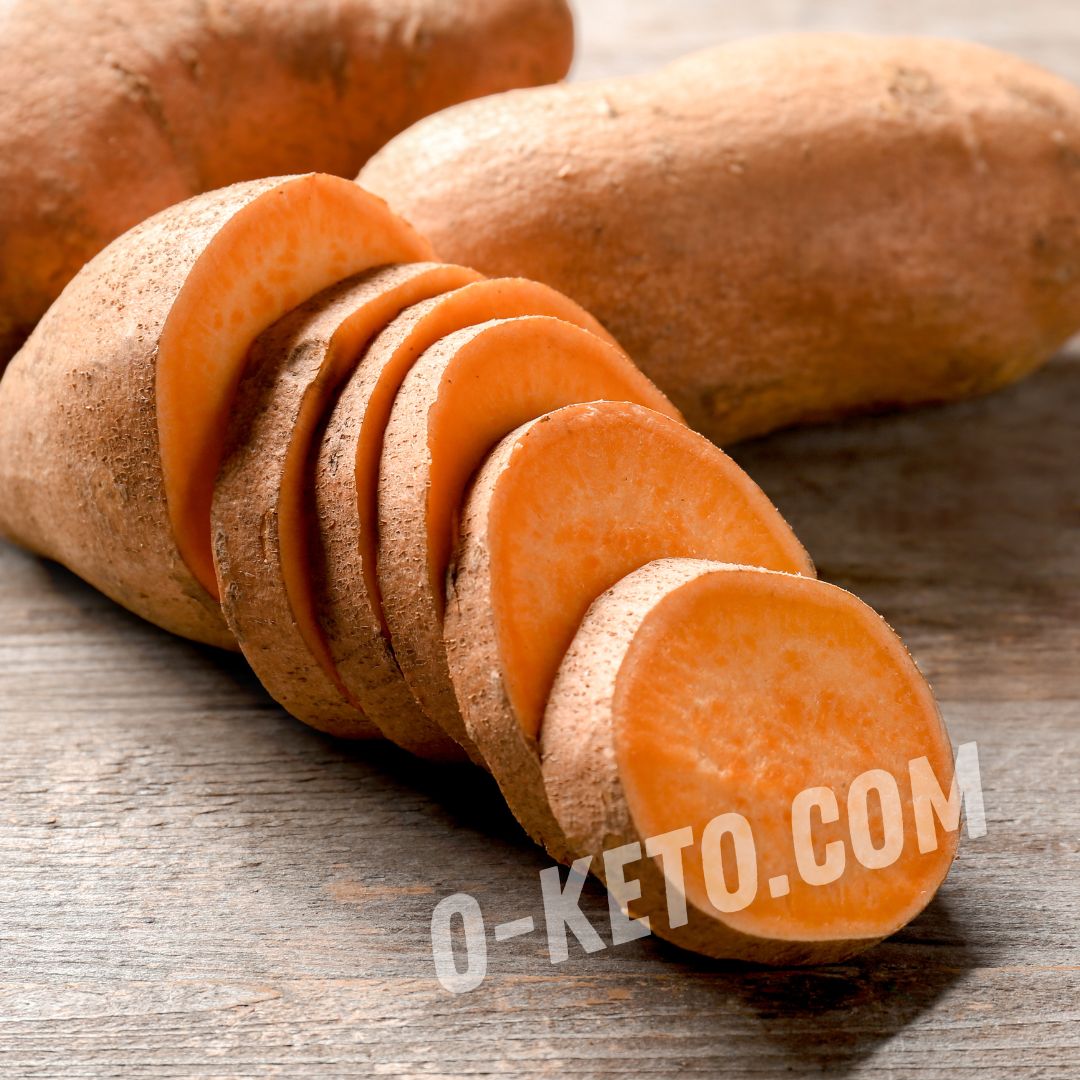

Sweet potato is a starchy root vegetable with orange, white, or purple flesh. It tastes sweeter than regular potato, bakes well, softens into mash, and is used in soups, side dishes, salads, patties, and spicy meals. In cooking it is often treated as a vegetable, but for a low-carbohydrate menu its starch content matters more.
Sweet potato is not an unlimited keto food. It contains a noticeable amount of carbohydrates, so it should not be placed next to cauliflower, zucchini, or leafy greens. A small piece can be a deliberate addition in a more flexible LCHF menu, while a large serving of mash or roasted wedges can easily exceed a strict keto daily limit.
Nutrition
In 100 g of sweet potato there are usually about 86 kcal, around 1.6 g of protein, 0.1 g of fat, and about 20 g of carbohydrates. Some carbohydrates come from starch, some from sugars, and fiber depends on variety and cooking method. These numbers make sweet potato much denser in carbohydrates than most non-starchy vegetables.
The glycemic index is often listed in the range of about 44-61, but it changes with variety, maturity, cooking method, and serving temperature. Mash and long-baked soft sweet potato are usually digested faster than firm pieces cooled after cooking. The glycemic load of a 150 g serving may be about 9 or higher, but for keto the actual carbohydrate weight matters more.
Sweet potato contains carotenoids, especially in orange varieties, vitamin C, potassium, manganese, and fiber. These features do not remove the carbohydrates. In a low-carbohydrate menu, sweet potato is treated not as leafy produce, but as a starchy side dish that requires an exact portion.
Keto and LCHF use
For strict keto, sweet potato usually does not work as a regular side dish. A 150-200 g serving may provide as many carbohydrates as someone plans for the whole day. If sweet potato is kept in the menu, the portion is often reduced to 30-50 g and used as a flavor accent next to meat, fish, eggs, cheese, salad, and fatty dressing.
In LCHF with a higher carbohydrate limit, sweet potato can appear occasionally, especially after training or on a day with a looser carbohydrate budget. Even then, it is better counted separately rather than added by eye. Roasted sweet potato with butter, salt, and herbs is usually more satisfying than sweet mash or dessert versions with syrup.
How to use it
The best method for a small portion is roasting wedges with oil, salt, paprika, garlic, thyme, or rosemary. The root’s sweetness is balanced well by acidic and salty ingredients: lemon, lime, feta, brined cheese, plain yogurt sauce, tahini, chili, and herbs.
In salad, sweet potato is better used as roasted and cooled cubes. It pairs with arugula, spinach, cucumber, avocado, chicken, turkey, tuna, egg, goat cheese, and olive oil. In such a plate, sweet potato should be the smaller part of the dish, not the base.
Sweet potato mash is inconvenient for keto: the serving easily becomes large, and the texture encourages eating more. If a similar soft mash with fewer carbohydrates is needed, it is better to mix a small amount of sweet potato with cauliflower, butter, and spices.
How to choose
A good sweet potato is firm, heavy for its size, without soft spots, mold, wet areas, or deep cracks. The skin may be uneven, but it should not smell damp or fermented. Very large roots are sometimes fibrous, while smaller ones cook faster and are easier to divide into small portions.
Orange sweet potato is usually sweeter and softer after cooking. White and purple varieties may be drier, firmer, and less sweet. Firm roots are convenient for roasted wedges; softer ones suit blended soup, but in a low-carbohydrate menu soup with sweet potato still needs to be counted by weight.
Limits
The main limit of sweet potato is carbohydrates. Cooling after cooking may increase resistant starch, but it does not turn the serving into a low-carbohydrate food. The claim that cold sweet potato starch is “not absorbed” is too strong: part of the starch changes, but a meaningful carbohydrate load remains.
When glucose is tracked individually, the response to sweet potato may differ. Portion, dish form, accompanying foods, and time of day all matter. If sweet potato increases sweet cravings or makes the carbohydrate limit hard to keep, it is easier to replace it with less starchy vegetables.
Storage and substitutes
Raw sweet potato should be stored in a dry, cool, dark place, but not in the refrigerator: cold can worsen taste and texture. Cut or cooked sweet potato should be refrigerated in a closed container and used within a few days.
In keto recipes, sweet potato is most often replaced with cauliflower, celeriac in a small portion, turnip, daikon radish, zucchini, a little pumpkin, or a mixture of cauliflower with butter and spices. There is no exact replacement for its sweet taste and starchy texture, so the choice depends on the task: mash, salad, roasting, or soup.
Sweet potato and regular potato are not the same
Sweet potato is often called a “sweet potato”, but it is a different plant and a different food. Orange and yellow varieties are especially rich in beta-carotene, while purple varieties contain more anthocyanins. Cooking softens the food matrix and may improve carotenoid availability, but it does not remove the starch from the tuber. Replacing potato with sweet potato therefore does not make a side dish keto-friendly.
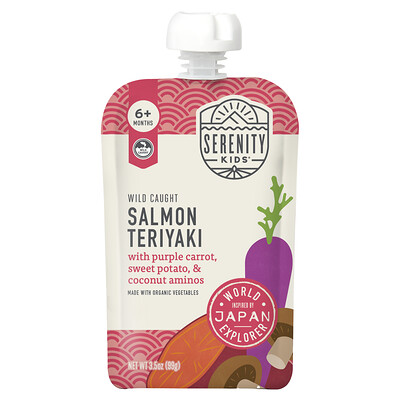
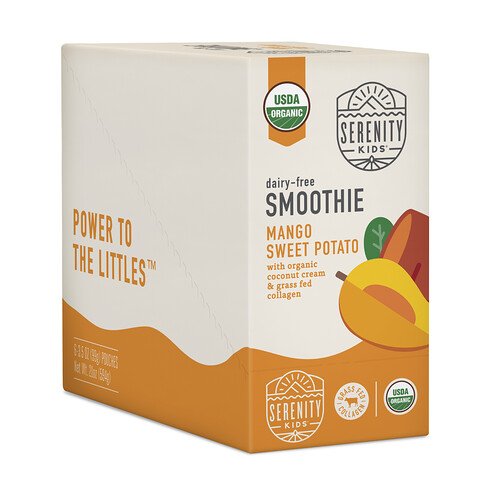
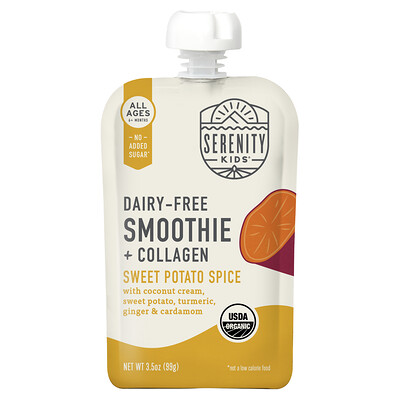
Substitution options in recipes
Pumpkin. Both provide sweetness and orange color. The pumpkin has more water – remove 10% of the liquid from the recipe or bake for 5 minutes longer. The GI remains comparable.


