




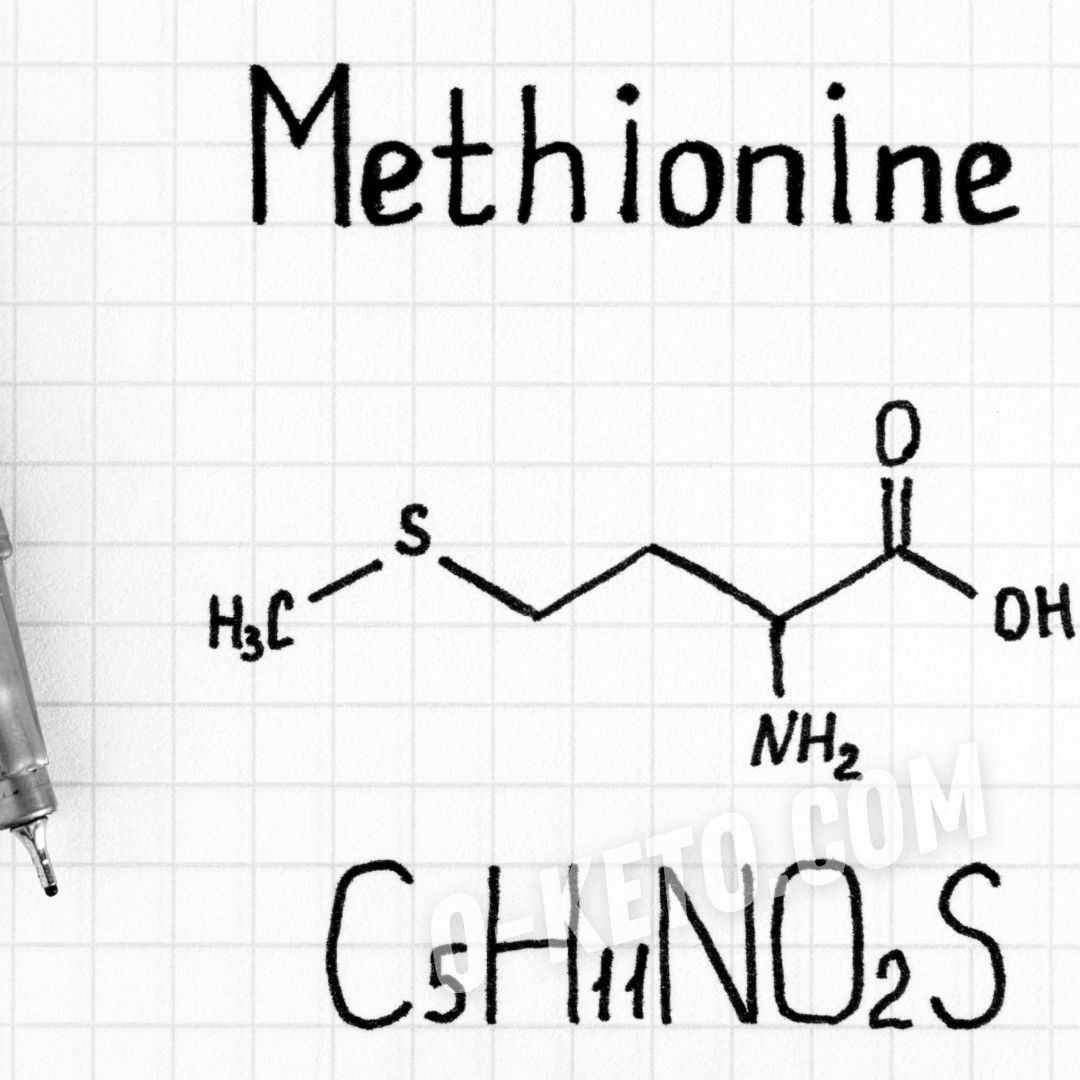

Methionine — is an essential amino acid involved in protein synthesis, detoxification, regulation of metabolism, and protection of cells from oxidative stress. It is necessary for the formation of other amino acids, such as cysteine, as well as for the synthesis of creatine, taurine, and glutathione.
Methionine plays an important role in methylation — a process that regulates gene expression and liver function.
A deficiency or excess of this nutrient can affect the functions of the immune, nervous, and cardiovascular systems.
Beneficial Properties
- involved in the synthesis of proteins, taurine, creatine, and other compounds;
- helps eliminate toxins and supports liver function;
- has antioxidant properties due to its involvement in glutathione synthesis;
- regulates fat metabolism and cholesterol levels;
- provides sulfur for the construction of other amino acids, including cysteine.
Daily Requirement and Sources
The average daily intake of methionine for an adult is about 13 mg per kilogram of body weight, which is equivalent to 900–1000 mg per day for a weight of 70 kg.
The requirement may increase with high physical activity, pregnancy, or liver diseases.
Foods rich in methionine:
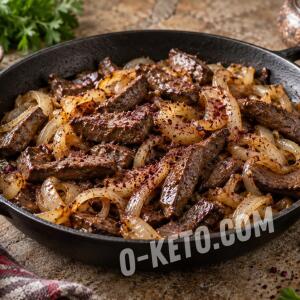
- meat — beef, chicken, pork;
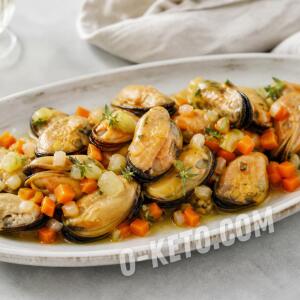
- fish — tuna, salmon;
- eggs;
- dairy products — cheese, yogurt, cottage cheese;
- nuts and seeds — sesame, sunflower, cashews.
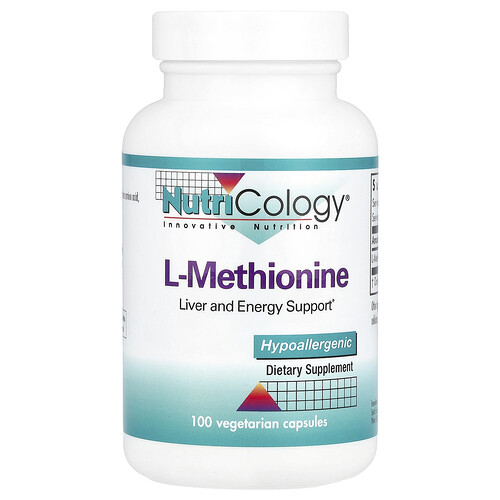
Possible forms and their absorption
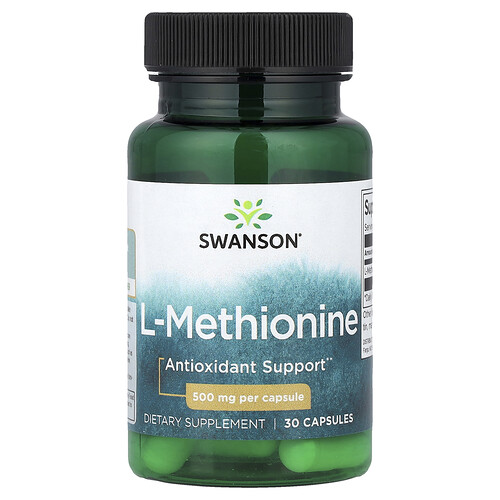
Nutrient forms are listed from best to worst:
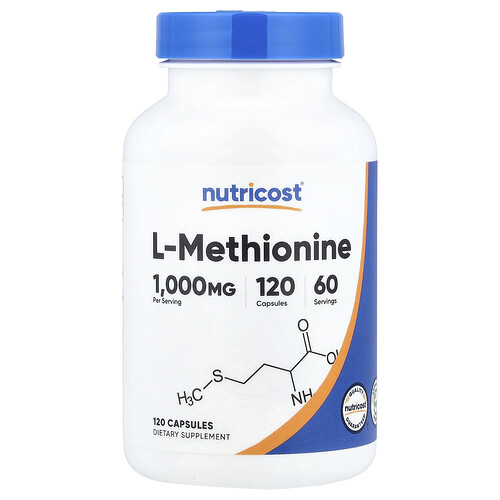
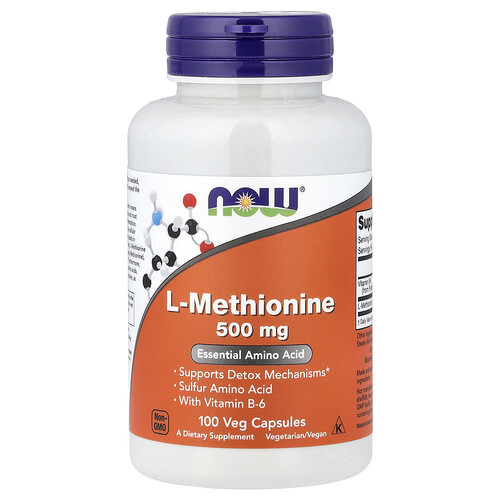
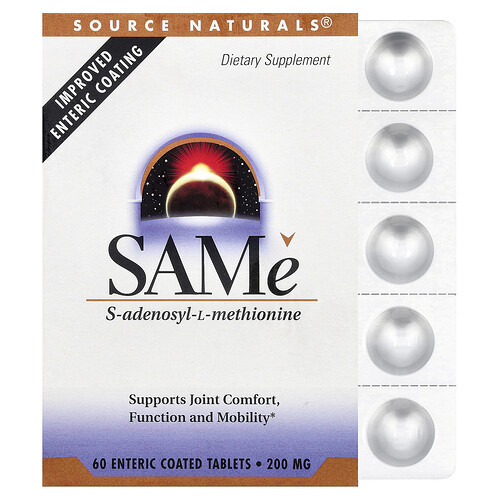
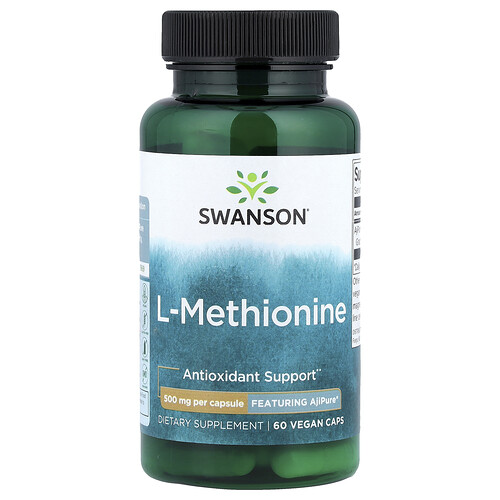
Symptoms and Consequences of Deficiency
- increased toxin levels and impaired liver function;
- weakened immune system and reduced resistance to infections;
- mental and physical fatigue, decreased concentration;
- disruptions in lipid metabolism and increased cholesterol levels;
- decreased synthesis of creatine and glutathione.
Chronic deficiency may manifest as metabolic disorders, reduced cognitive functions, and the development of liver diseases.
Possible Risks of Excess and Their Manifestations
- increased homocysteine levels — a risk factor for cardiovascular diseases;
- stress on the liver and possible development of fatty degeneration;
- anxiety, irritability, and disruptions in neurotransmitter balance;
- allergic reactions: itching, rash, swelling;
- exacerbation of chronic diseases, including oncological risks.
For most people, excess methionine is only possible with excessive consumption of protein supplements.
A safe dose is considered to be up to 3 g per day, but exceeding this norm requires monitoring by a specialist.
Role in metabolism
Methionine is an essential sulfur-containing amino acid. It is needed for protein synthesis and participates in the formation of S-adenosylmethionine, one of the key molecules in methylation. Through these pathways, methionine is connected with homocysteine metabolism, creatine synthesis, phospholipids, and some detoxification-related processes.
In keto and LCHF, methionine usually comes from animal protein: meat, fish, eggs, poultry, and dairy products. This is a normal part of a protein-rich diet, but balance matters. Methionine metabolism requires folate, vitamin B12, vitamin B6, choline, betaine, and normal liver and kidney function. High homocysteine should therefore not be explained simply by “too much meat” without looking at the whole chain.
Balance with other nutrients
A diet high in muscle meat and low in connective tissue may provide a lot of methionine relative to glycine. In low-carbohydrate nutrition, it can therefore be useful to include fish, eggs, broths, gelatin, collagen, greens, and foods with B vitamins. This is not a rule for everyone, but a way to make the protein part of the diet less one-sided.
Separate methionine should not be taken without a clear reason. Caution is needed in liver or kidney disease, high homocysteine, cardiovascular risk, pregnancy, and complex drug therapy. If the goal is methylation support, lab markers and diet should be evaluated together.