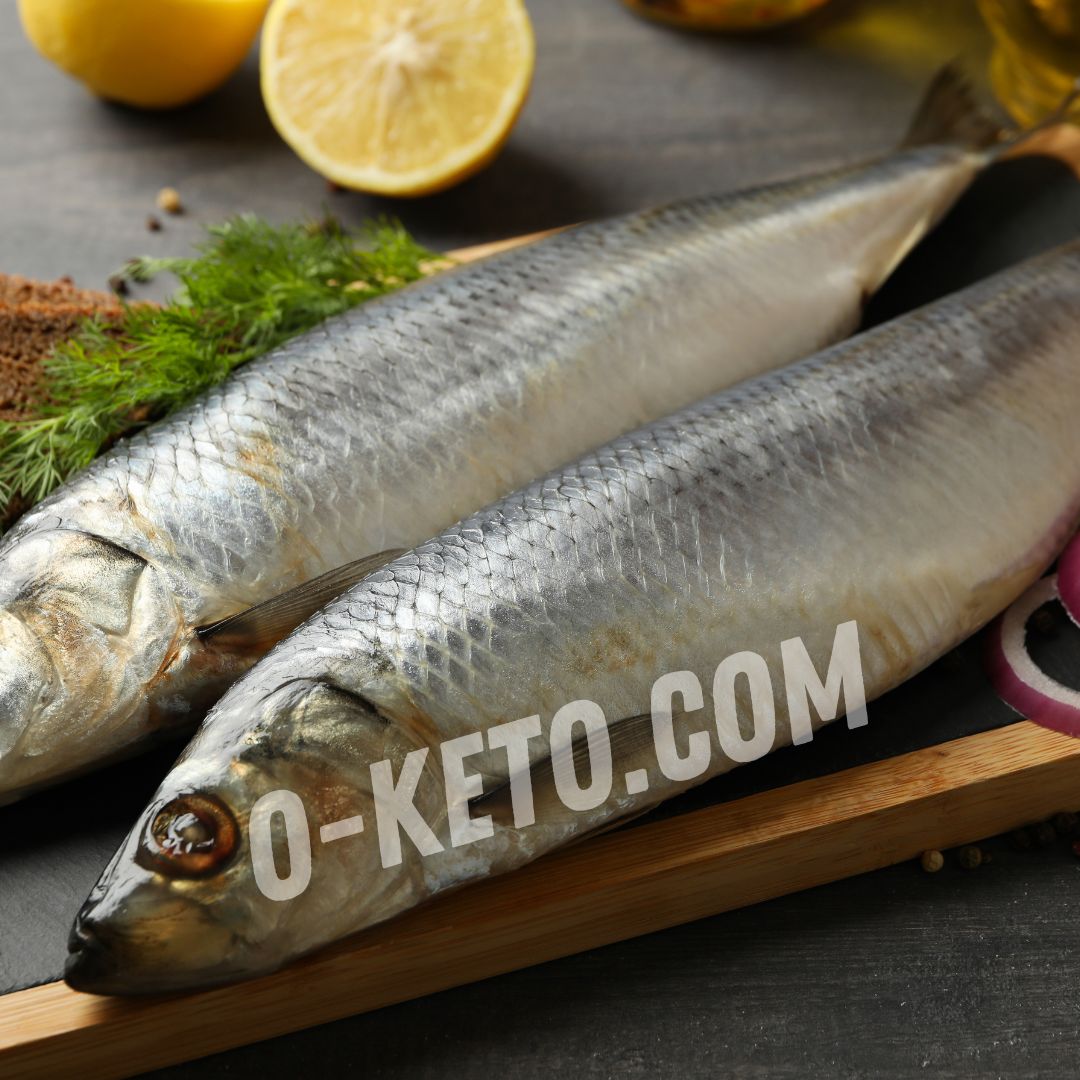

Herring is an oily sea fish with firm flesh, pronounced flavor and almost no carbohydrates. In cooking it is most often found salted, lightly salted, marinated, smoked or as fillets. For keto and LCHF it is convenient by macronutrients, but the final dish depends on salt, marinade, oil, side dish and what is served with the fish.
The useful preserved facts are straightforward: herring contains iodine, selenium, phosphorus, vitamins D and B12, and omega-3 fatty acids. Per 100 g, values are often around 250-300 kcal, about 20-30 g of protein, 10-17 g of fat and 0-1 g of carbohydrates. Glycemic index and glycemic load of the fish itself are zero when there is no sugar or starchy addition.
Nutrition
Herring provides both protein and fat, so it is more satiating than many lean fish. Fat content changes with season, processing and batch: lightly salted herring may be softer and fattier, while overly salted or dry fish tastes sharper. Calories should still be checked on the label, especially for fillets packed in oil.
Minerals and vitamins do not make herring a medical product, but they do make it a normal part of a fish-based diet. Iodine and selenium come with its marine origin, phosphorus and B12 are typical for fish and seafood, and vitamin D is found more often in oily fish. In practice, the important point is a simple plate without sugar, potatoes or bread.
Is It Keto-Friendly?
Herring itself fits keto well: it has almost no carbohydrates, with protein and fat. Problems usually come from the usual serving style. Potatoes, sweet beetroot, bread, sugar in marinade, ready sauces and mixed salads with additions quickly change the dish. A classic layered herring salad is not keto unless the recipe is rebuilt.
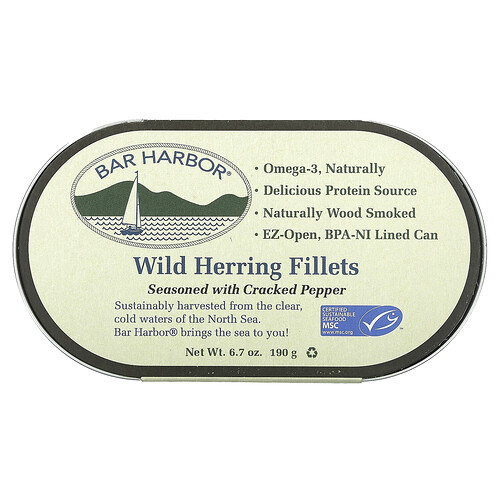
For strict keto, choose lightly salted or salted fish without sugar, fillets in oil with a clear ingredient list, or whole herring that can be cleaned at home. Marinade should be checked separately: vinegar, salt, spices and oil work better than sweet brine, syrup, honey or starch-thickened sauce.
How to Use It
Herring pairs well with eggs, cucumber, herbs, avocado, a small amount of onion, sour cream, sugar-free mayonnaise, sugar-free mustard and lettuce leaves. If the fish is too salty, it can be soaked briefly in cold water or milk and then dried. The goal is not to turn the dish into a salty mix of many ready sauces.
Practical options include:
- herring salad with egg, cucumber and herbs;
- fillet with avocado and lemon juice;
- appetizer with onion, sugar-free vinegar and oil;
- keto-style layered salad with cauliflower instead of potatoes;
- herring with lettuce leaves and sour cream sauce.
How to Choose and Store
Good herring should smell clean, without rancid notes, and have firm flesh and a clear ingredient list. In prepared fillets, check for sugar, sweeteners, starch, flavor enhancers, an overly long list of additives and the quality of oil. If the fish is sold in brine, the brine should not be cloudy, sticky or sharply off-smelling.
Salted and lightly salted fish should be kept refrigerated and not left open for long. Fillets in oil are best used soon after opening and handled with a clean fork. If sour, rancid or yeasty smell, stickiness, gas in the pack or unpleasant bitterness appears, do not eat the product.
Limits
The main limit of herring is salt. Even a good product can be too salty for large daily portions, especially if the menu already contains cheese, bacon, pickles, olives and broths. People sensitive to histamine may also need caution with salted, smoked and long-stored fish.
A usual serving is 80-120 g of fillet. That is enough to get flavor, protein and fat without overloading the plate with salt. If a substitute is needed, mackerel, sardines, anchovies, sprats, salmon or another oily fish without sweet marinade can work. For a milder flavor, lightly salted trout or baked oily fish may be easier.
How to Reduce Saltiness
If herring is too salty, it does not need to be discarded or hidden under a heavy sauce. The fillet can be briefly soaked in cold water, milk or water with a little vinegar, then dried thoroughly. Taste every 10-15 minutes: soaking for too long makes the flavor flat and the texture loose.
After soaking, add fat and acidity: oil, sour cream, sugar-free mayonnaise, lemon, sugar-free vinegar, herbs and a little onion. The fish stays expressive, while the dish does not turn into an overly salty appetizer.