







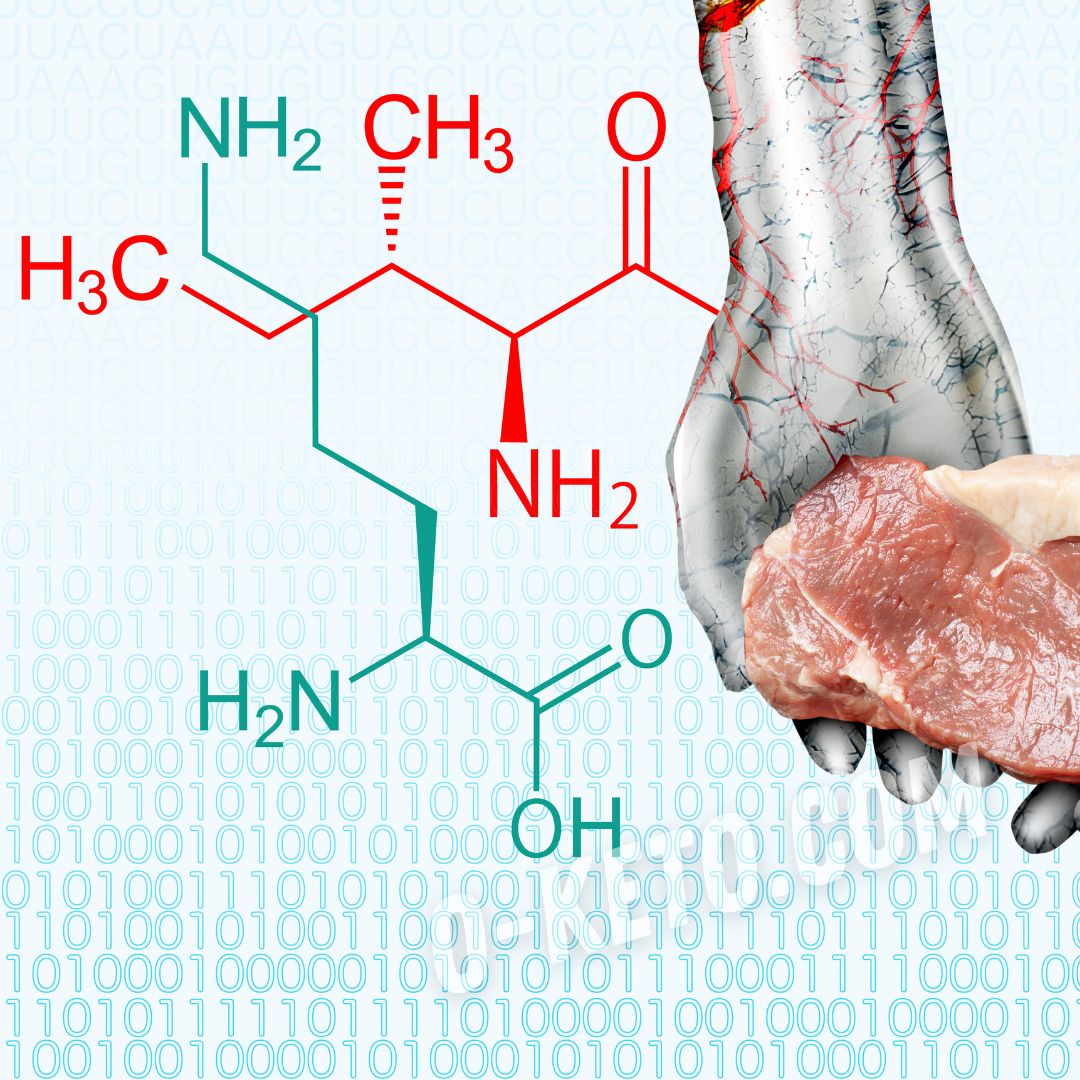

Iso leucine — an essential amino acid from the BCAA group that plays an important role in metabolism, muscle recovery, and maintaining energy balance. It is not synthesized in the body and must be obtained through food.
Iso leucine is involved in protein synthesis, regulation of blood sugar levels, and maintaining the functioning of the immune and nervous systems. Its deficiency can lead to muscle weakness, fatigue, skin problems, and decreased immunity.
On the other hand, excessive intake of iso leucine, especially from supplements, can cause toxic reactions and imbalances of other amino acids.
Benefits
- contributes to the growth and recovery of muscle tissue;
- participates in hemoglobin synthesis and improves oxygen transport to muscles;
- supports energy levels by participating in gluconeogenesis;
- regulates blood sugar levels;
- affects the synthesis of neurotransmitters and helps stabilize mood.
Daily Requirements and Sources
The recommended intake of iso leucine depends on the level of physical activity:
- minimum — 10–12 mg/kg of body weight;
- with moderate activity — 15–18 mg/kg;
- for athletes — up to 25 mg/kg of body weight;
- upper acceptable limit — about 50 mg/kg of body weight per day.
Foods rich in iso leucine:
- meat (beef, chicken, turkey);
- fish (salmon, tuna);
- eggs;
- dairy products (cheese, cottage cheese);
- legumes (soy, lentils, chickpeas);
- nuts and seeds;
- plant protein powders (soy, pea protein).
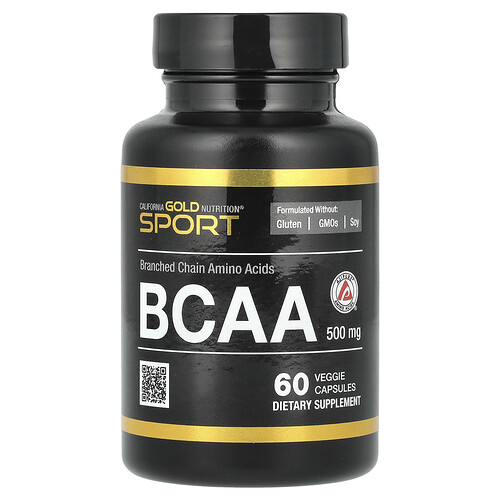
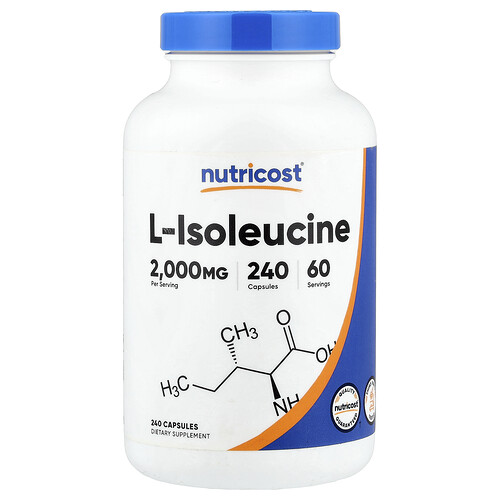
Possible forms and their absorption
Nutrient forms are listed from best to worst:
Symptoms and Consequences of Deficiency
- decreased endurance and physical performance;
- fatigue and muscle weakness;
- disorders of carbohydrate and fat metabolism;
- increased susceptibility to infections;
- worsening memory and concentration;
- skin problems (dermatitis, rashes);
- anxiety and depressed mood.
Possible Risks of Excess and Their Manifestations
- headaches, nausea, weakness;
- irritability and sleep disturbances;
- hypoglycemia and fluctuations in blood sugar;
- liver dysfunction (with chronic excess);
- imbalance with other amino acids (leucine, valine);
- worsening symptoms of anxiety and depression.
For most people, a safe dose is considered to be up to 20–25 mg/kg of body weight per day.
Intake of more than 50 mg/kg is possible only under the supervision of a specialist.
Role in protein metabolism
Isoleucine is a branched-chain amino acid, together with leucine and valine. It participates in muscle metabolism, recovery after exercise, and energy processes in tissues. But its role cannot be separated from overall protein status: muscle is built not from isoleucine alone, but from the full set of amino acids.
In keto and LCHF, isoleucine usually comes from meat, fish, eggs, poultry, cheeses, and cottage cheese. For a person who trains, loses weight, or recovers after illness, adequate protein across the day matters more than separate BCAA supplements. If the diet is low in protein, BCAAs do not fix the lack of all essential amino acids.
When supplements are unnecessary
Separate isoleucine rarely makes sense when the diet is adequate. It may look like a convenient sports tool, but the practical base is still complete food, enough calories, sleep, and regular training. Without that, amino acids do not automatically turn into recovery.
Caution is needed in kidney or liver disease, amino acid metabolism disorders, pregnancy, and complex drug therapy. Persistent weakness, swelling, rapid weight loss, or worsening lab markers should be evaluated more broadly than through one nutrient.