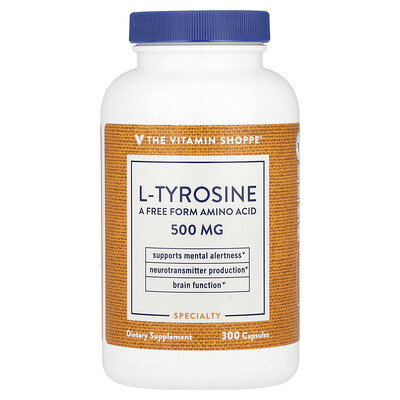
Precursor of dopamine, norepinephrine, and thyroxine, improves focus and mood. Deficiency leads to fatigue, depression, and decreased concentration. Taken during stress, depression, and reduced thyroid function.
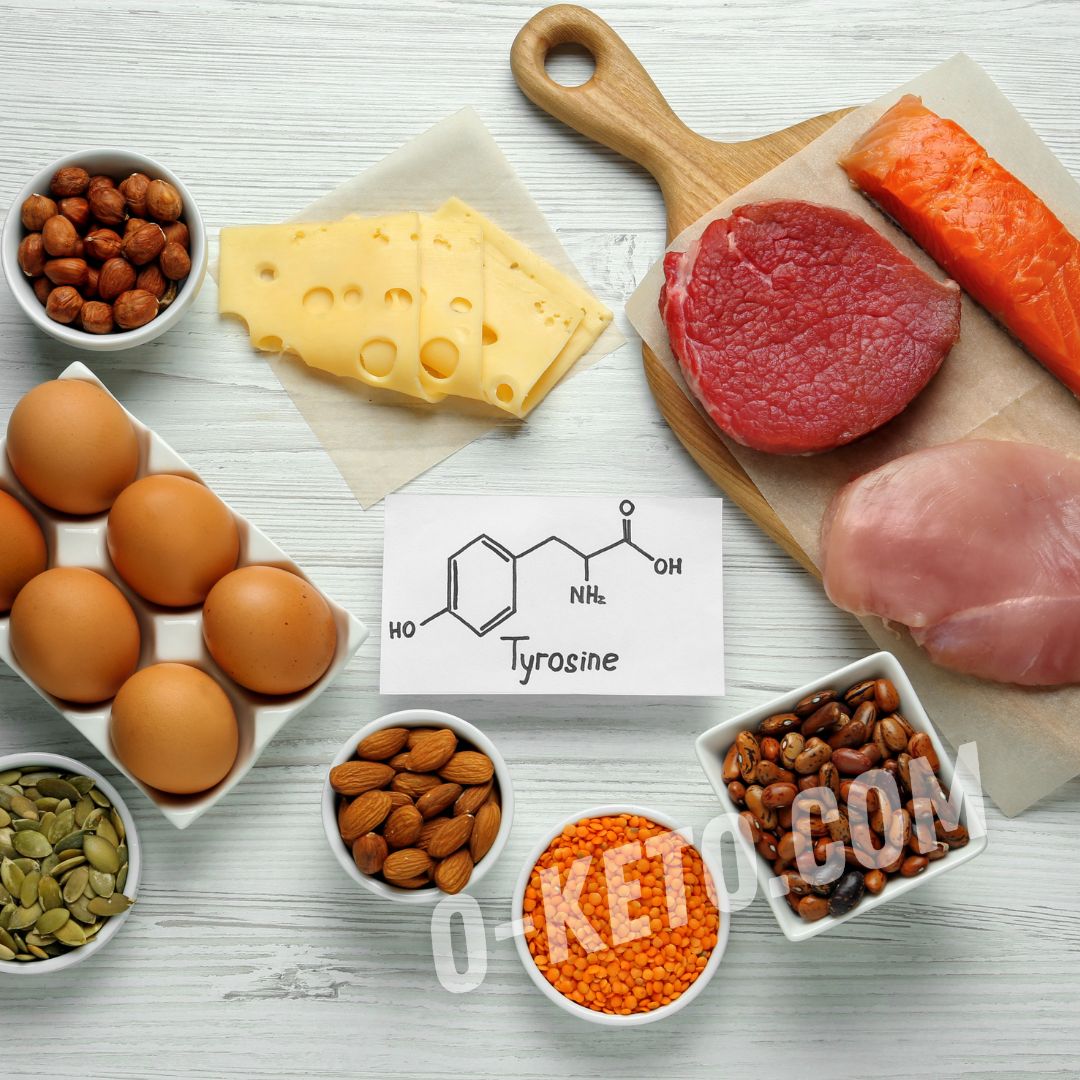
Tyrosine — an amino acid that participates in the synthesis of neurotransmitters such as dopamine, norepinephrine, and epinephrine. These substances play an important role in regulating mood, energy levels, and cognitive activity.
Tyrosine is also necessary for the production of thyroxine — a hormone of the thyroid gland that regulates metabolism, and melanin — the pigment of the skin and hair.
Although tyrosine can be synthesized from phenylalanine, its levels decrease during stress or insufficient nutrition.
Beneficial Properties
Tyrosine improves concentration, memory, and learning ability, especially under stressful conditions.
It supports cognitive functions, aids in adaptation to mental loads, and may enhance performance.
It also participates in the regulation of hormonal balance and supports thyroid function.
Daily Requirement and Sources
The recommended daily dose of tyrosine for adults is 500–2000 mg.
In cases of high mental or physical exertion, an increase in dosage to 4000 mg is permissible, but only under medical supervision.
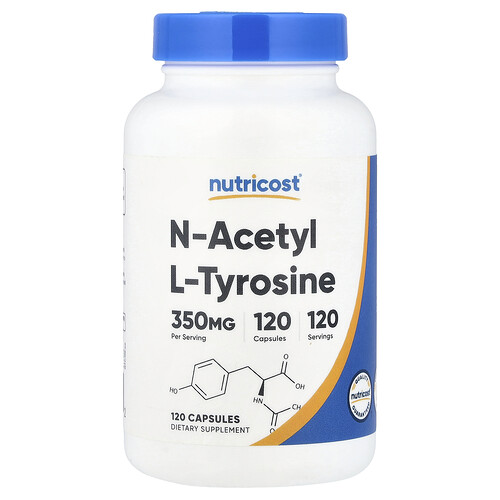
N-acetyl-L-tyrosine (NALT). A more stable and soluble form is better tolerated and retains activity longer, but is absorbed less effectively — a slightly higher dose is needed. It is suitable for cognitive support and during stress.
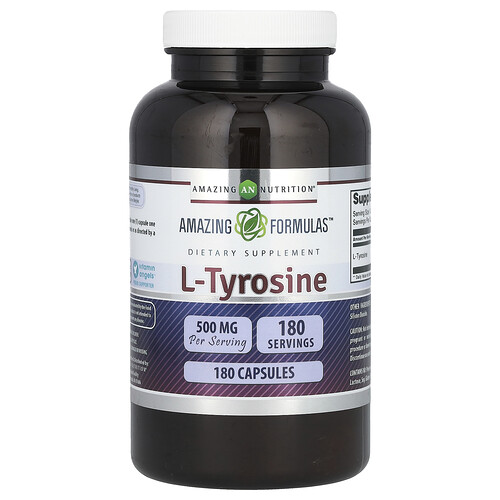
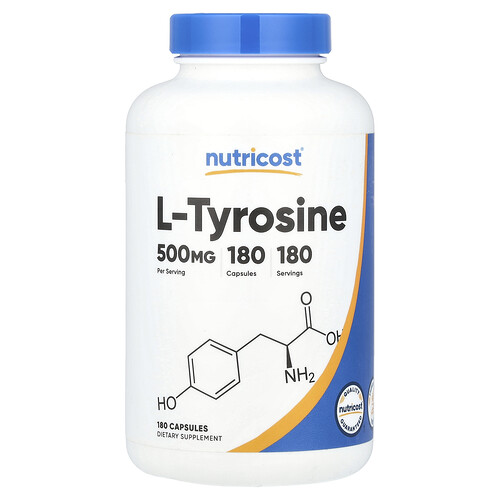
L-tyrosine. The basic form is well absorbed and quickly used for the synthesis of dopamine, norepinephrine, and thyroid hormones. It is preferred in conditions of deficiency, fatigue, during high loads, and depression.
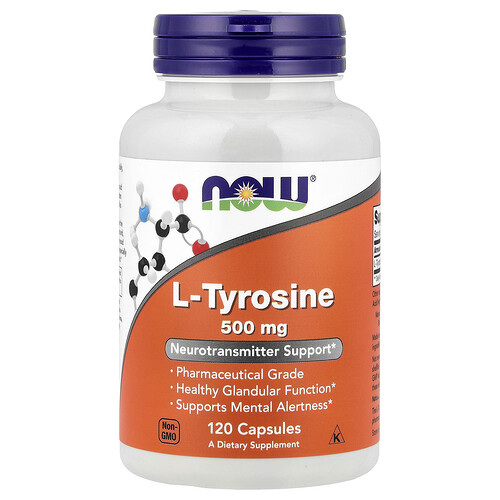
The Vitamin Shoppe, L-Tyrosine, 500 mg, 300 Capsules
≈ $27.80
Buy
DL-tyrosine. A mixture of L- and D-isomers, where only the L-form is active. The efficacy is lower, it is rarely used and not recommended for therapeutic use.
Symptoms and Consequences of Deficiency
A deficiency of tyrosine may manifest as disturbances in psycho-emotional state and metabolism.
Excessive consumption of tyrosine, especially in supplement form, may lead to unwanted reactions. Possible symptoms include:
headaches;
anxiety and nervousness;
increased heart rate;
sleep problems.
Risks are especially relevant when exceeding a dose of 500 mg per day for an extended period.
It is recommended to adhere to a dosage of 50–100 mg per kilogram of body weight and consult a specialist if supplementation is necessary.
Features on a Keto Diet
On a keto diet, tyrosine helps cope with adaptation stress, improving mood and attention.
This is especially important in the first weeks of transitioning to a low-carbohydrate diet when energy and concentration may decrease. Maintaining adequate levels of tyrosine contributes to a smoother and more effective transition into ketosis.
PubMed studies(8)
✓Targeting the BMX in cancer: molecular mechanisms and emerging therapeutic strategies.2026 05 29 · Journal of enzyme inhibition and medicinal chemistry
✓Identification of key genes in recurrent pregnancy loss related to obesity.2026 04 21 · Gynecological endocrinology : the official journal of the International Society of Gynecological Endocrinology
✓miR-34 regulates cuticle pigmentation by targeting and in .2026 05 26 · RNA biology
✓Heterologous expression of hydroxylase coupled with pathway optimization enables highly efficient ʟ-DOPA production in .2026 05 16 · Synthetic and systems biotechnology
✓Delayed Gastric Bleeding in a Patient With Chronic Myeloid Leukemia: A Case of Post-Biopsy Bleeding.2026 04 29 · DEN open
✓Cost-effectiveness analysis of lorlatinib as first-line treatment for anaplastic lymphoma kinase (ALK)-positive non-small cell lung cancer in Italy.2026 04 27 · Journal of medical economics
✓Real-world efficacy of Bruton tyrosine kinase inhibitor based maintenance therapy in diffuse large B-cell lymphoma: a multicenter retrospective cohort study with external historical control.2026 04 21 · Cancer biology & therapy
✓Durable response of anaplastic thyroid cancer to pembrolizumab combined with chemotherapy: A case report.2026 04 16 · Human vaccines & immunotherapeutics
Published: 24.05.2024
Updated: 28.06.2026
Any remaining questions? Ask chatGPT.:
If you have any questions about the nutrient "Tyrosine", you can ask them to AI. Please note, a low-cost OpenAI model is used. It may answer questions about disease treatment with errors!
Tyrosine is considered a precursor to adrenaline and thyroid hormones, so the dosage is usually adjusted carefully, especially if the stress overload is still accompanied by high cortisol levels.
Used as nutritional support for dopamine synthesis when they want to gently support motor function and fatigue resistance.
Treatment protocols are provided for informational purposes only. Do not use them on your own if you do not clearly understand what you are doing, are not a nutrition professional, or have not consulted a physician.
List of videos from YouTube about nutrients "Tyrosine":