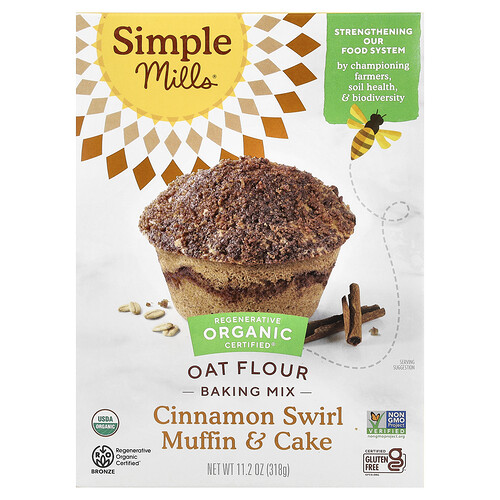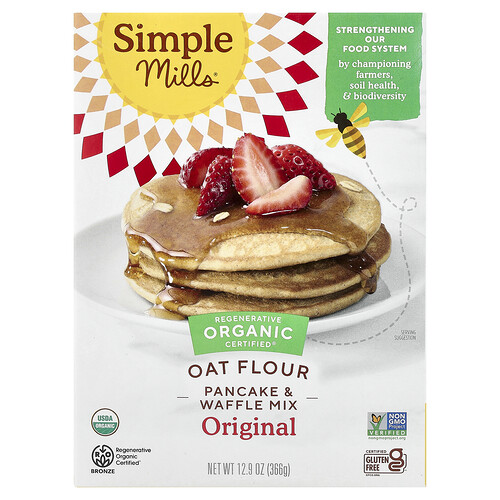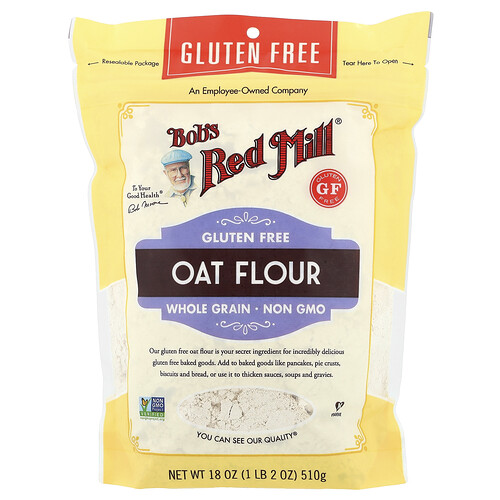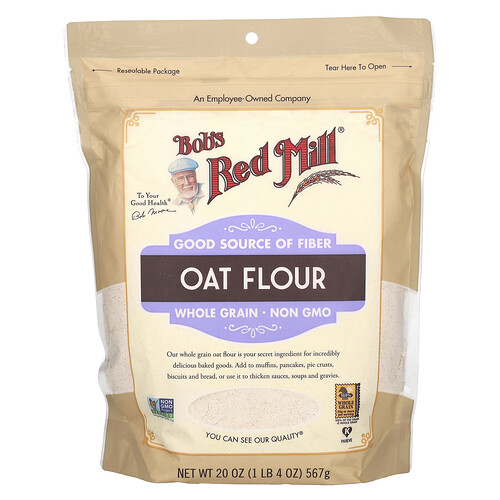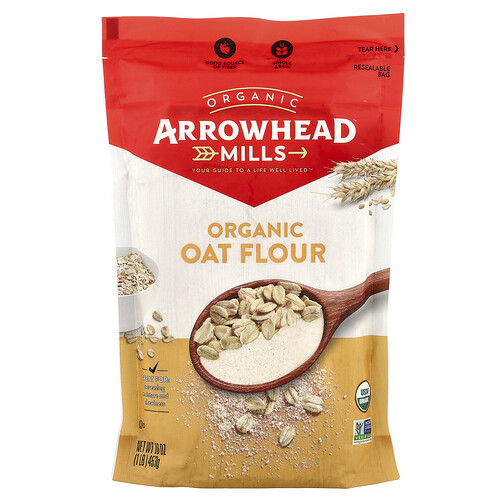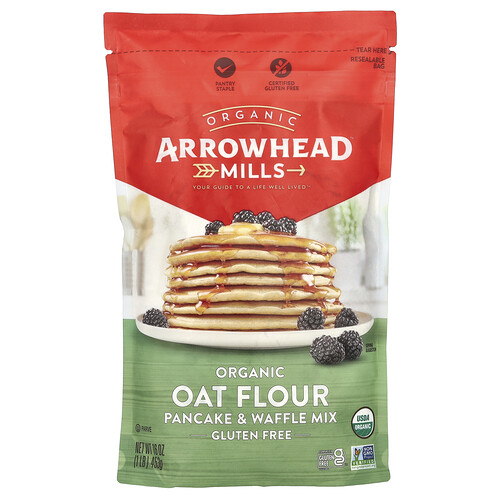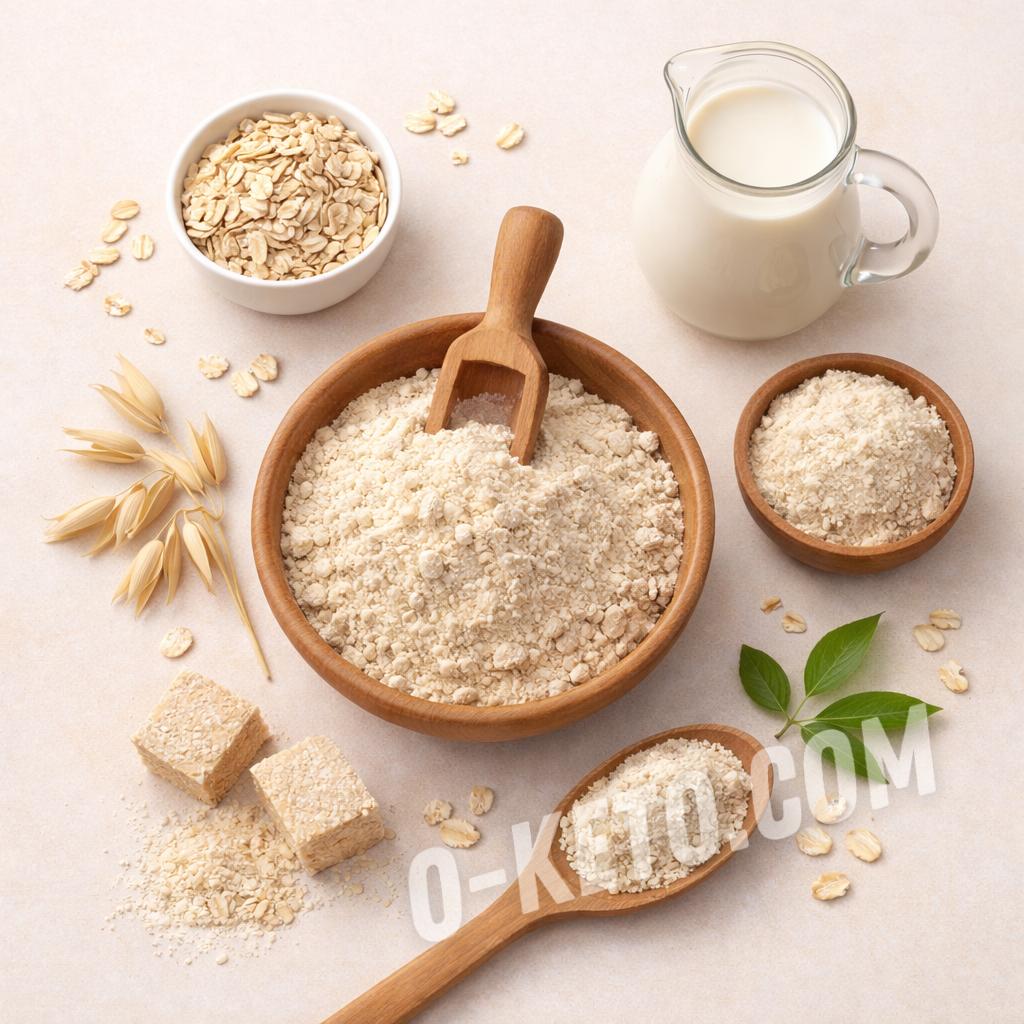

Oat flour is made by grinding oat grains or oat flakes. It gives a mild cereal flavor, a light texture, and works well in pancakes, cookies, crispbreads, breading, sauce thickening, and home baking. Unlike starch, oat flour contains not only carbohydrates but also protein, fat, fiber, and minerals.
For a regular diet, it is a familiar whole-grain ingredient. For keto and strict LCHF, the situation is different: oat flour remains a high-carbohydrate product even when made from whole oats. It can only be considered as an occasional technical addition in a small amount, not as the base of keto baking.
Nutrition
In 100 g of oat flour there are usually about 370-390 kcal, 13-17 g protein, 6-8 g fat, and roughly 60-67 g carbohydrates. Some of the carbohydrates are fiber, including beta-glucans, but the amount of digestible carbohydrate is still high. Even 25-30 g of flour can noticeably affect a daily carb limit.
Oat flour contains magnesium, phosphorus, manganese, iron, zinc, and B vitamins. Oat protein contributes to the diet, but it does not replace meat, fish, eggs, cottage cheese, or legumes as a full protein food. The fat fraction is small and consists mostly of unsaturated fatty acids.
Is It Suitable For Keto
For a classic keto diet, oat flour is usually not suitable. The reason is simple: too much starch and total carbohydrate. If a recipe is built around oat flour, it will almost certainly be closer to moderate-carb baking than to keto.
In more flexible LCHF, a small amount can be used for texture: for example, a teaspoon in a sauce, a little in cottage cheese pancakes, breading, or a blend with almond and flax flour. But that portion needs to be counted rather than treated as a free replacement for wheat flour.
How To Use
Oat flour binds moisture well and makes dough softer. In pancakes and fritters it gives a tender structure, in cookies a crumbly texture, and in crispbreads a cereal note. For sauces and soups, use it as a thickener, but add it gradually to avoid a gluey texture.
In low-carb cooking, it is better mixed with almond, coconut, flaxseed, or pumpkin seed flour instead of used alone. Protein, eggs, cottage cheese, psyllium, and fats help make baking firmer and reduce the share of oat flour per serving.
If the flour is made at home from flakes, the grind may be uneven. For thin batter, sift it and leave the coarse particles for porridge, sugar-free granola, or breading. The finer the grind, the faster the flour absorbs liquid.
How To Choose
Check the ingredient list, grind, expiry date, and gluten statement. Oats are not wheat, but they are often contaminated with wheat, rye, or barley during growing and processing. For people with celiac condition or strict gluten exclusion, certified gluten-free oat flour is needed.
Good flour smells like fresh oats, without mustiness or bitterness. Because oats contain natural fats, they can go rancid, so an old package with an unpleasant smell should not be used. Whole-grain flour is usually more aromatic but stores worse than refined starchy products.
Limits
The main limit is carbohydrate. Oat flour is undesirable for strict keto, and when blood sugar is being monitored, the portion requires attention. Response may differ between people, especially if the flour is used in sweet baking with fruit, milk, or other carbohydrate sources.
Some people may react to avenins or traces of gluten-containing grains. With sensitive digestion, a large amount of oat fiber may also cause bloating. It is better to start with small portions and simple recipes.
How To Store
Keep oat flour in a dry closed container, away from moisture, heat, and strong odors. After opening, it is better to transfer the package to a jar. If the kitchen is warm or the flour is used rarely, the refrigerator or freezer helps preserve a fresh smell longer.
What To Use Instead
For keto baking, almond, coconut, flaxseed, sesame, or pumpkin seed flour is used more often, sometimes with psyllium for structure. For regular baking, oat flour can be replaced with whole-wheat, buckwheat, rice flour, or flakes ground in a blender. The substitute changes dough moisture, so liquid is best added gradually.