


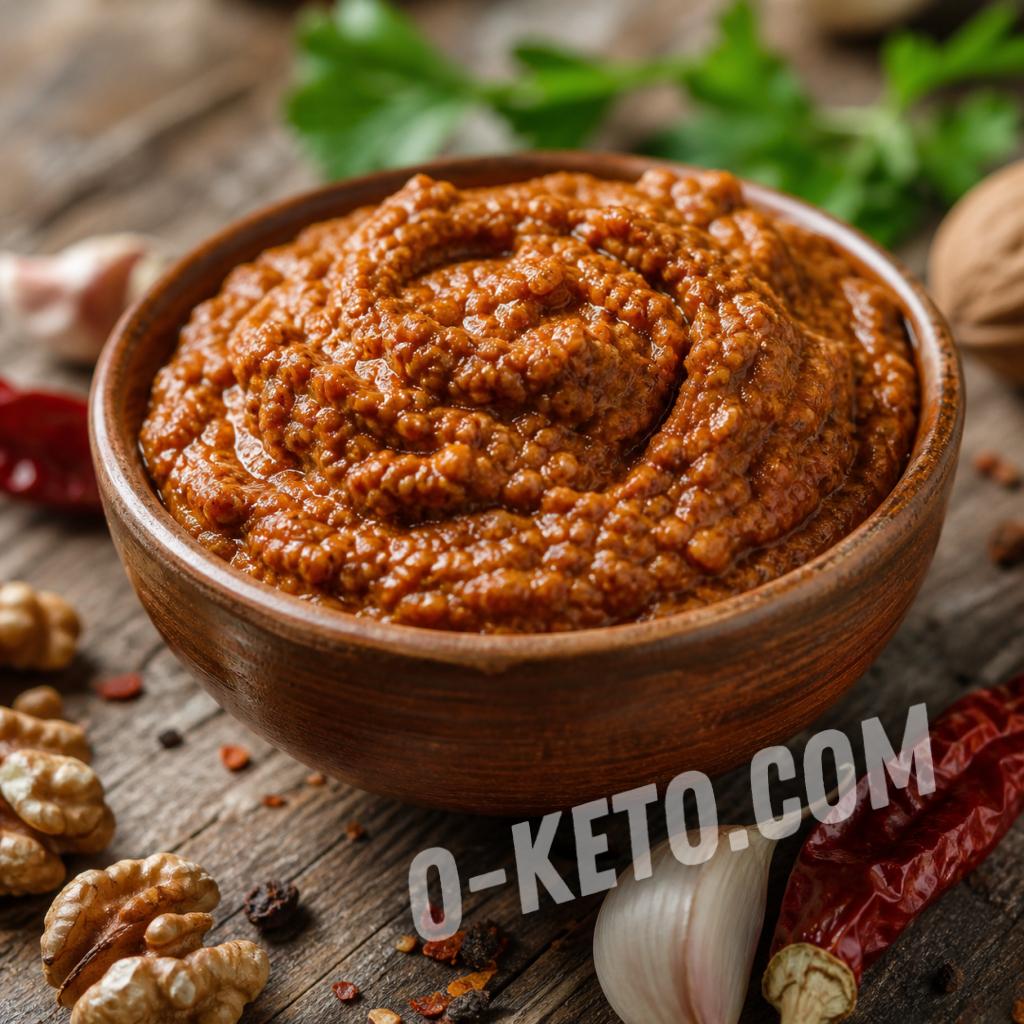

Kochudyan paste, more commonly known as gochujang, is a Korean fermented paste with a hot, salty, slightly sweet, deep umami flavor. It is not made from nuts and seeds, but mainly from red pepper, fermented soy, salt, and a grain base. In traditional versions, that base is often glutinous rice, rice flour, barley malt, or another starch source.
This is why gochujang should not be treated as a simple zero-carb hot seasoning. It is not just pepper in a jar, but a dense paste where fermentation, salt, grain sweetness, and chili create the flavor. In cooking it is used in small portions: for marinades, sauces, stews, soups, meat, poultry, fish, tofu, vegetables, and Korean dishes such as bibimbap or tteokbokki.
Nutrition
Nutrition varies strongly by brand. In 100 g of gochujang there may be about 180-250 kcal and a noticeable amount of carbohydrates, often 35-55 g per 100 g. Protein and fat are usually lower than one might expect from a soy paste, because rice, malt, syrups, or sugar make up a meaningful part of the mass. The earlier idea of low carbohydrates for this type of paste is therefore unreliable.
A normal cooking portion is smaller: 1 teaspoon or 1 tablespoon for a sauce, marinade, or several servings of a dish. Even that amount can add noticeable carbohydrates if the paste is sweet. It is also salty, so the dish should be salted after tasting rather than in advance.
Place in keto and LCHF
For strict keto, gochujang is usually not a free seasoning. The issue is not the hot pepper, but the starchy and sweet part of the ingredient list. If the label includes rice, rice flour, wheat flour, malt syrup, corn syrup, sugar, or fructose syrup, the portion should be counted as a carbohydrate addition.
In a low-carb menu, gochujang can be used only as a strong flavor accent: for example, 1/2 teaspoon per serving of sauce, mixed with sugar-free soy sauce, sesame oil, garlic, ginger, and vinegar. This keeps the Korean character of the dish without turning the whole plate into a sweet starchy sauce.
How to use
Gochujang opens up best when mixed with liquid and fat. It can be stirred with sesame oil, tamari or sugar-free soy sauce, rice or apple cider vinegar, garlic, ginger, green onion, and a small amount of sweetener if the recipe needs it. In a keto version, it is better to choose and dose the sweetener separately rather than use a very sweet ready-made paste.
The paste works with beef, pork, chicken, shrimp, white fish, eggs, mushrooms, cauliflower, zucchini, eggplant, cucumbers, sugar-free kimchi, and crunchy vegetable salads. For a marinade, mix it with oil and acidity. For a quick sauce, dissolve it thoroughly in warm water or broth; otherwise it may remain in lumps.
How to choose
Read the full ingredient list and the nutrition panel per 100 g. For low-carb eating, look for the lowest sugar and syrup content, no wheat flour, and no unnecessary thickeners. Completely carb-free gochujang is rare because the traditional process usually includes a grain base.
The color should be deep red-brown, and the smell hot, fermented, and salty, without mold or mustiness. A very bright sweet smell often points to a lot of syrup. If the paste separates, it can be stirred, but mold, bubbling, unpleasant bitterness, or abnormal fermentation odor means the product should be discarded.
Limits
Gochujang is hot and salty, so people with a sensitive stomach, irritated mucosa, or poor tolerance of spicy food should start with a very small amount. Because it contains fermented soy, it is not suitable for people allergic to soy. Some brands contain wheat, so people avoiding gluten need a separate gluten-free mark and a checked ingredient list.
Another practical issue is sauce overeating. Gochujang makes meat and vegetables brighter, but the sweet-hot taste can easily increase the portion. If the goal is carbohydrate control, measure the paste with a spoon and dilute it into sauce in advance rather than adding it from the jar by eye.
Storage and substitutes
Store a closed jar according to the producer’s instructions. After opening, keep the paste refrigerated, tightly closed, and use only a clean dry spoon. Because of salt and fermentation it often keeps longer than many sauces, but moisture, crumbs, and a dirty spoon quickly spoil flavor and surface.
There is no exact substitute, but for keto a similar hot sauce can be made from sugar-free chili paste, tamari, sesame oil, garlic, ginger, vinegar, and a pinch of erythritol or allulose. For the umami part, a little miso can be added if it fits the ingredient list and portion. The flavor will not be as deep as fermented gochujang, but carbohydrates are easier to control.


