






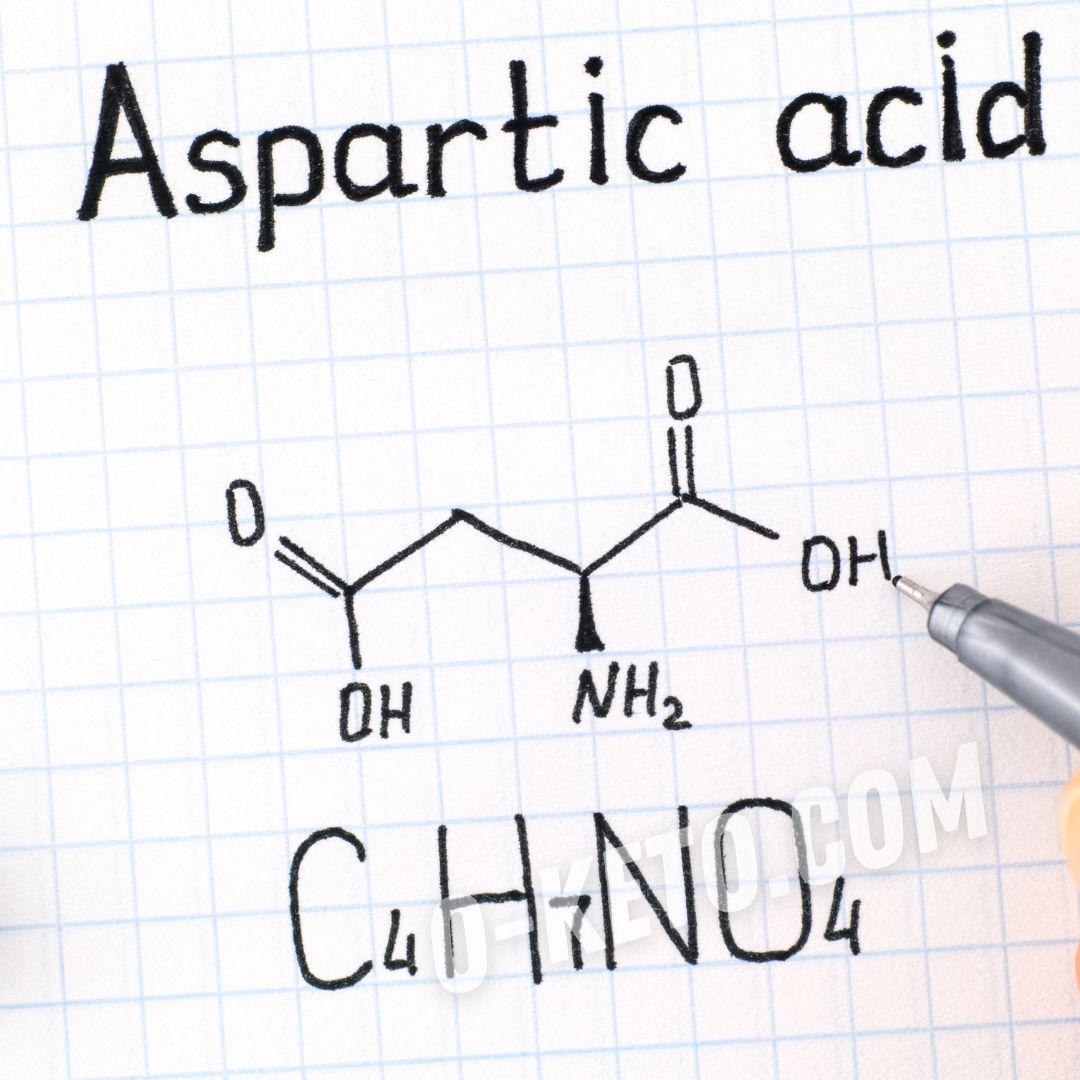

Asparagine acid — a non-essential amino acid that plays an important role in metabolism, energy exchange, and the functioning of the nervous system. It participates in the synthesis of proteins and neurotransmitters, as well as supporting immune function.
During increased physical or psycho-emotional stress, the need for this amino acid may rise, making it especially important for active and stress-resistant states.
Beneficial Properties
- participates in the synthesis of proteins and biologically active substances;
- regulates energy metabolism by participating in the Krebs cycle;
- affects the production of neurotransmitters and cognitive functions;
- supports the immune system and metabolism;
- helps normalize blood sugar levels.
Daily Requirement and Sources
The body is capable of synthesizing asparagine acid on its own, but its intake from food is beneficial during increased loads.
The average daily requirement is 2–5 g, but it can vary depending on activity and age.
Main food sources:
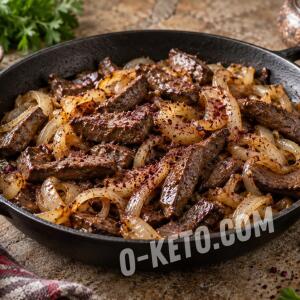
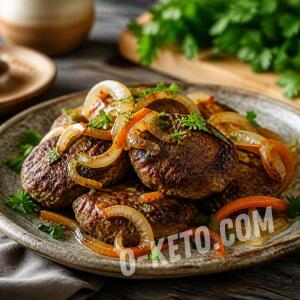
- meat: beef, pork, chicken;
- fish: tuna, salmon;
- dairy products: yogurt, cheese, milk;
- plant sources: legumes, nuts, quinoa, oats.
Possible forms and their absorption
Nutrient forms are listed from best to worst:
Symptoms and Consequences of Deficiency
- decreased energy levels, chronic fatigue;
- worsening memory and concentration, decreased mood;
- weakening of immune protection;
- digestive disorders, including bloating and discomfort;
- metabolic disorders, difficulties in maintaining a healthy weight.
Deficiency is more commonly observed in low-protein diets or chronic stress.
Possible Risks of Excess and Their Manifestations
- increased nervous excitability, irritability;
- headaches, sleep disturbances;
- disruption of the balance of other amino acids, especially glutamate;
- risks of excitotoxicity in excess — excessive stimulation of neurons;
- possible worsening of symptoms in neurological diseases (epilepsy, schizophrenia);
- nausea, gastrointestinal disorders, allergic reactions at high doses.
Excess is possible with the consumption of more than 10–15 g per day from supplements. The use of supplements is recommended to be coordinated with a doctor.
Nitrogen handling and energy
Aspartic acid participates in amino-group transfer, the urea cycle and mitochondrial metabolism. It supports nitrogen handling and the synthesis of compounds such as asparagine and some nucleotides.
In keto and LCHF, its relevance is mainly overall protein quality. With enough meat, fish, eggs and dairy, isolated supplementation is usually unnecessary.
When caution matters
High doses of single amino acids may disturb amino acid balance and cause gastrointestinal intolerance. Kidney disease, liver disease, neurological conditions and pregnancy require medical guidance before supplementation.