


Schizophrenia
Schizophrenia is a serious psychiatric disorder affecting perception, thought, emotion and social function, so it requires clinical assessment, monitoring of sleep, stress, substance exposure, nutrition and treatment tolerance rather than stigma.






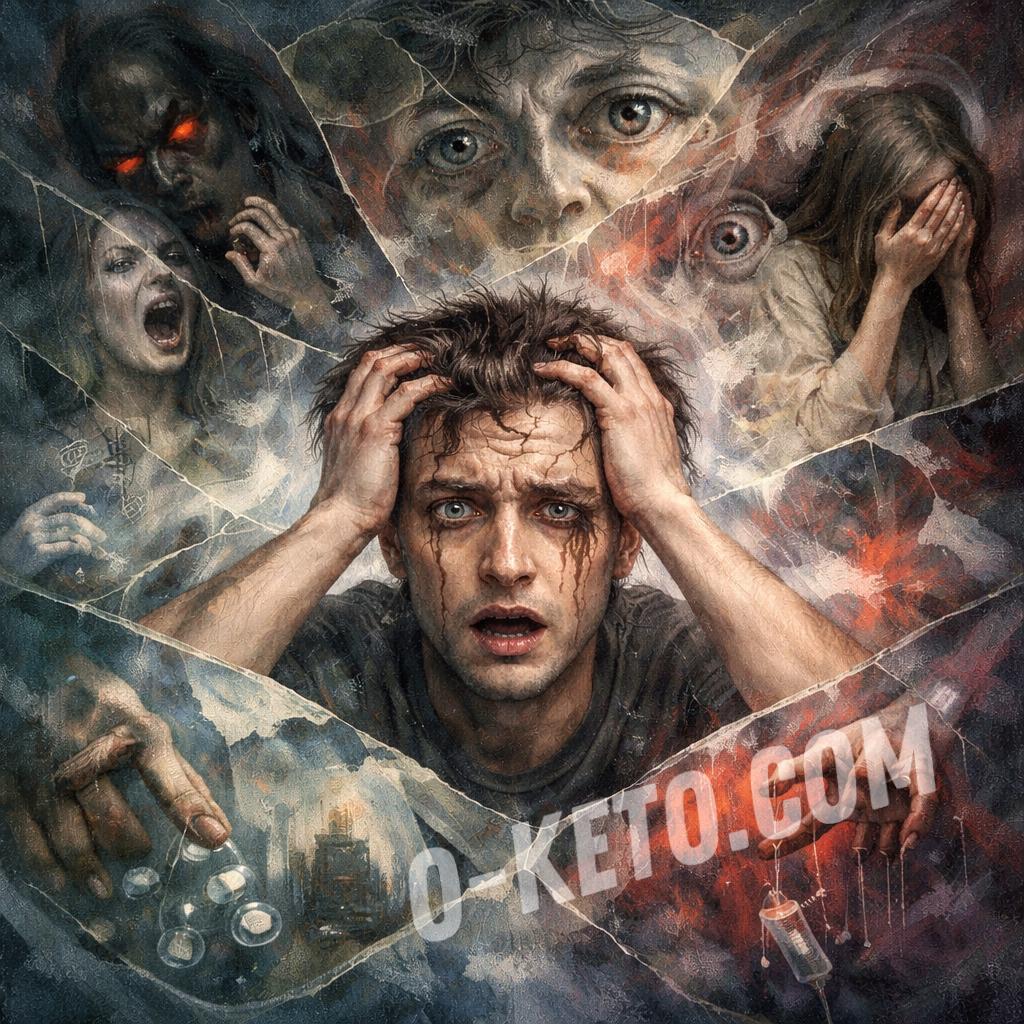
Schizophrenia is a serious psychiatric disorder that can disturb perception, thought, emotional regulation, motivation and social functioning. It is important not to confuse it with “split personality” or with simple eccentric behavior. The clinical picture may include delusions, hallucinations, disorganized thinking, social withdrawal, reduced emotional expression, loss of initiative and difficulty organizing ordinary life. The practical priority is to treat it not as a stigmatizing label, but as a condition that requires structured care, follow-up and long-term support.
How schizophrenia may present
In some people the so-called positive symptoms dominate: auditory hallucinations, persecutory ideas, delusional interpretations, disorganized speech or disturbed reality testing. In others, negative symptoms are more striking: low motivation, flattened affect, social withdrawal, limited speech and difficulty initiating everyday tasks. Cognitive problems such as poorer attention, working memory and planning may also be prominent. The combination of these layers is what often makes real-world functioning so difficult.
The course is variable. Some people have clearer acute episodes, while others show a more prolonged decline in function between episodes.
Why the diagnosis requires caution
Psychotic symptoms do not automatically mean schizophrenia. Similar features may appear in bipolar disorder, severe depression with psychotic features, substance use, sleep deprivation, brain injury, neurological disease and some metabolic disturbances. That is why diagnosis requires a full psychiatric assessment rather than a quick conclusion based on one bizarre episode.
In practice, it matters not only to assign a diagnosis, but to understand what triggers decompensation and what interferes with treatment adherence and everyday stability.
What should be monitored besides psychosis itself
Sleep, stress, alcohol or drug exposure, social isolation, nutrition, body weight, physical activity and medication side effects all matter in schizophrenia. Antipsychotic treatment may affect appetite, body weight, glucose, lipids, prolactin and overall metabolic health. Management therefore should not be limited to the question of whether delusions or voices are present. The ability to sleep, eat, leave the house, maintain contact and tolerate routine is equally important.
In some people, the metabolic complications of treatment become a major additional risk factor over time.
Nutrition, substances and metabolic background
Nutrition does not replace psychiatric care, but it affects resilience, energy and medication tolerance. Poor sleep, low protein intake, chaotic routines and use of cannabis, alcohol, stimulants or other psychoactive substances may worsen instability or reduce recovery. With antipsychotic treatment, body-weight control, glycemic monitoring, lipid review and cardiovascular awareness become increasingly relevant.
That is why low-carbohydrate diets, supplements or other nutrition strategies should be viewed only as supportive layers, never as alternatives to antipsychotic therapy and psychiatric follow-up.
Why environmental support matters so much
For a person with schizophrenia, medication is only one part of stability. Predictable environment, family support, lower chaos, regular sleep, help with daily tasks, treatment accompaniment and respectful communication all matter. Strong stigma and pressure often worsen adherence and deepen isolation. Families do better when they learn to distinguish disease symptoms from character flaws.
It is also crucial to recognize early warning signs of relapse: rising insomnia, more suspiciousness, medication refusal, social shutdown, worsening self-care and increasing disorganization.
When urgent in-person help is needed
Urgent help is needed with severe disorganization, dangerous behavior, suicidal risk, aggression, complete refusal of food or fluids, inability to care for oneself, severe insomnia, acute psychosis or rapid deterioration after medication changes or discontinuation. In such situations home observation is not enough because safety and basic functioning are at stake.
The most useful view is to understand schizophrenia as a serious but observable and treatable psychiatric disorder in which daily stability depends not only on psychotic symptoms, but also on sleep, environment, nutrition, social support and long-term adherence.
If you have any questions about the term "Schizophrenia", you can ask them to AI. Please note, a low-cost OpenAI model is used. It may answer questions about disease treatment with errors!


 1 / 4
1 / 4
 1 / 4
1 / 4 1 / 4
1 / 4

 1 / 4
1 / 4