


Protein deficiency
Protein deficiency affects more than muscle mass: it can weaken repair, resilience, and metabolic stability, so it is best interpreted together with diet, total protein, albumin, and digestive context.
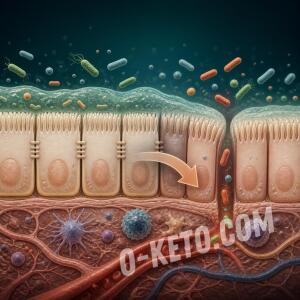
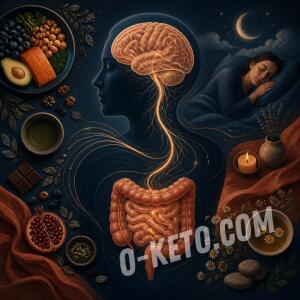



Protein deficiency is not limited to severe starvation. In real life it can develop with monotonous eating patterns, highly restrictive diets, poor digestion, intestinal disease, increased protein losses, or any situation in which the body suddenly needs more amino acids than usual. Protein is not only about muscle. Amino acids are required to build enzymes, transport proteins, parts of hormones, immune molecules, connective tissue, skin, and mucosal structures, so a long-term shortage gradually affects multiple systems at once.
What happens when protein intake is inadequate
When dietary protein is too low or absorption is impaired, the body starts prioritizing essential survival functions. Early on this may be subtle, but over time many people notice lower strength, slower recovery after exercise, poorer tissue repair, brittle nails, hair shedding, reduced resilience, and a general sense of depletion. With a more significant deficit, loss of lean mass becomes easier, wound healing slows down, susceptibility to infections may rise, and fluid balance can worsen because protein fractions help keep fluid inside the vascular space.
One difficulty is that protein deficiency often hides behind broader complaints. A person may think the real problem is stress, anemia, hormones, overtraining, or poor sleep, while the deeper issue is inadequate protein availability. This is especially relevant in low-calorie diets, meal patterns with long fasting windows but weak protein intake, chronic gastrointestinal disease, and recovery periods after surgery, trauma, infection, or prolonged inflammation.
Who is at higher risk
Risk is higher in people who simply eat too little, deliberately avoid protein-rich foods, or rely on narrow food patterns without a complete amino acid replacement. Other higher-risk groups include people with malabsorption, chronic diarrhea, low stomach acid, pancreatic insufficiency, inflammatory bowel disease, and those with increased protein demands such as older adults, athletes during intense training blocks, people recovering from burns or surgery, and women during pregnancy or breastfeeding.
Within keto or LCHF, protein deficiency does not happen because the approach itself requires it. The problem usually appears when someone becomes so focused on not “overshooting” protein that fat displaces needed amino acids. A well-designed low-carbohydrate diet should still provide enough protein for recovery, body composition, satiety, and metabolic stability. If strength is falling, recovery is worsening, and laboratory context supports it, the answer is often not “more ketosis” but a better protein strategy.
How it is evaluated
No single symptom confirms protein deficiency. Clinicians usually look at total blood protein, albumin, dietary pattern, body composition, muscle function, digestive health, and the broader clinical picture. A low total protein or low albumin level can strengthen suspicion, but interpretation always depends on context because inflammation, liver disease, kidney losses, intestinal losses, and hydration status can change these markers.
Protein status is best read together with neighboring data such as ferritin, hemoglobin, urea, creatinine, inflammatory markers, and sometimes weight change or signs of sarcopenia. A person can still have a normal-looking body weight while carrying too little functional lean tissue, especially if excess body fat masks declining muscle mass. That is why protein deficiency should never be judged only by appearance or by one lab line in isolation.
What can distort interpretation
A laboratory result in the normal range does not always mean protein status is optimal. Functional decline may begin before total protein clearly drops below reference. The opposite is also true: not every abnormal result means dietary protein is the root problem. Dehydration can falsely concentrate blood proteins, while inflammatory burden, liver dysfunction, kidney disease, and bowel disease can shift the same markers in different directions.
Another common mistake is counting total daily grams without considering digestibility or meal distribution. Someone may technically reach a target on paper, but if protein is concentrated into one weak meal, digestion is impaired, or appetite is poor, effective amino acid delivery may still be inadequate. Practical interpretation therefore combines symptoms, food pattern, digestive capacity, clinical context, and laboratory markers instead of relying on one simplified formula.
Why it matters in practice
Suspected protein deficiency is not a reason for random powders or aggressive training. The practical question is why the protein gap exists: low intake, poor digestion, poor absorption, increased losses, or temporarily increased demand. Reviewing meal structure, quality of protein sources, digestive symptoms, muscle maintenance, and accompanying deficits such as iron, zinc, or B vitamins often gives a clearer picture than chasing one number alone.
When protein resources are truly insufficient, the state is usually interpreted as part of a wider metabolic and gastrointestinal story rather than as an isolated label. Adequate protein is foundational for tissue repair, immune resilience, healthy body composition, and recovery from stress. For that reason, protein deficiency deserves a careful, practical reading, especially in people using restrictive diets, recovering from illness, or trying to maintain muscle while changing body weight.
If you have any questions about the term "Protein deficiency", you can ask them to AI. Please note, a low-cost OpenAI model is used. It may answer questions about disease treatment with errors!


 1 / 4
1 / 4
 1 / 4
1 / 4 1 / 4
1 / 4 1 / 4
1 / 4 1 / 4
1 / 4 1 / 4
1 / 4