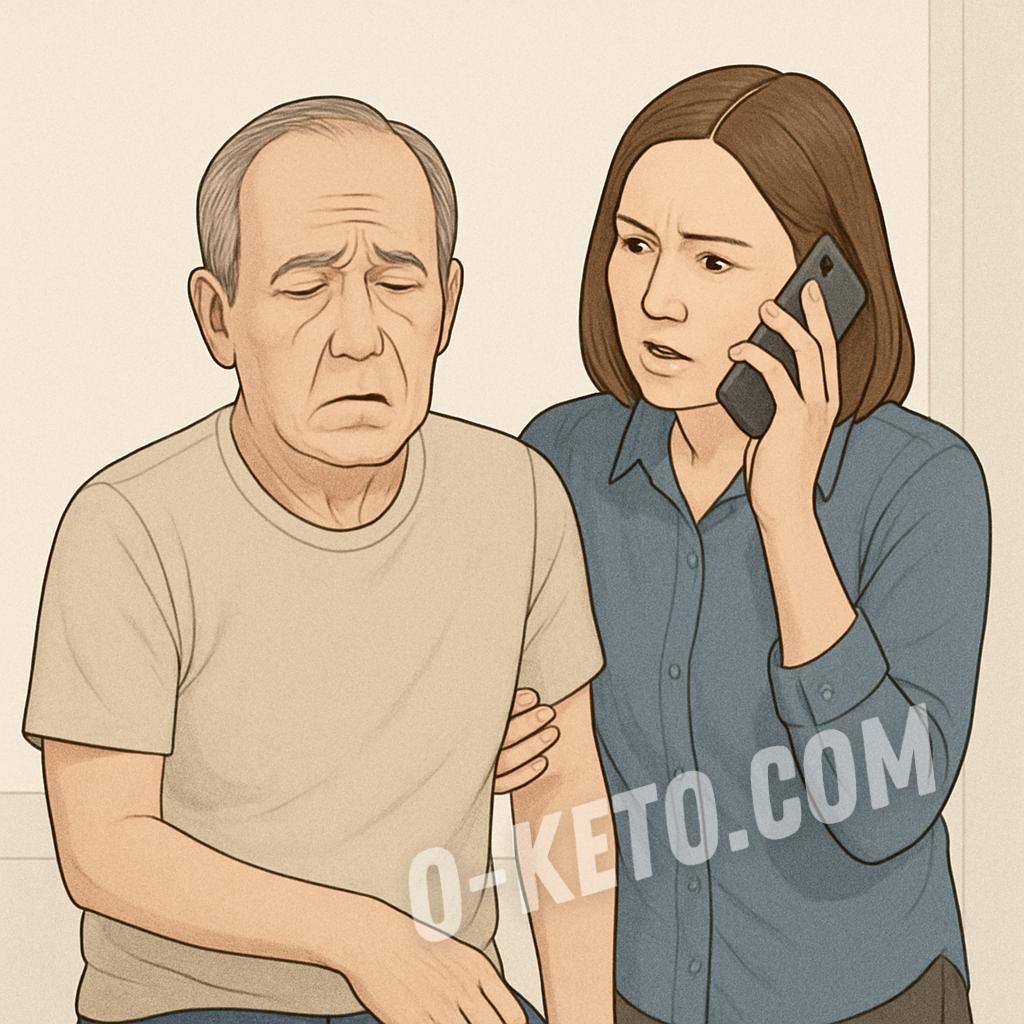

A stroke is one of those emergencies that can look confusing in the beginning. A person may seem suddenly strange, unusually quiet, off balance, weak on one side, or unable to form words, and people around them often reach for a more ordinary explanation: maybe they are exhausted, maybe their blood pressure is high, maybe they are overheated, maybe they are anxious. That is exactly how precious time gets lost. During a stroke, part of the brain is suddenly deprived of blood flow or damaged by bleeding, and without treatment the loss of brain cells can increase minute by minute.
That is why first aid for stroke starts not with home remedies and not with a debate about what caused the behavior change. It starts with fast recognition and an emergency call. The logic is simple: if the signs fit a possible stroke, act as though time matters, because it does. Even if it later turns out not to be a stroke, early caution is safer than delay.
Why time is critical in stroke
When blood flow to part of the brain is blocked or a vessel bleeds, brain tissue begins to suffer almost immediately. Some hospital treatments can help certain stroke patients only in the first hours, such as clot-busting medicine or removal of a clot from a large artery. That opportunity does not stay open forever. The longer treatment is delayed, the greater the risk of permanent damage affecting speech, movement, swallowing, memory, balance, or independence.
In practical terms, this means you should not wait for the symptoms to become “more convincing,” and you should not postpone help until morning, until a family member arrives, or until you finish “watching for five more minutes.” If it is a stroke, early emergency care may directly affect the person’s outcome. If it is not a stroke, urgent medical evaluation is still better than late evaluation.
How the FAST rule helps
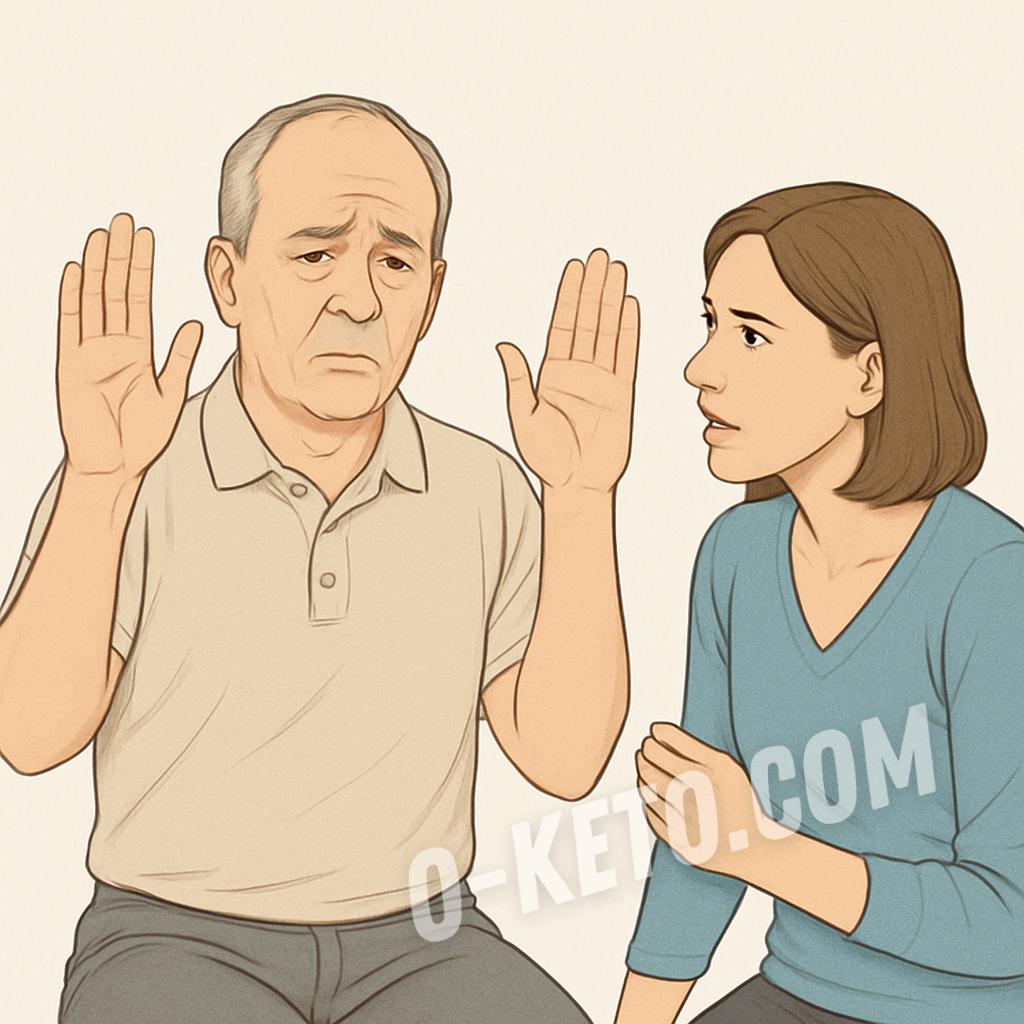
The simplest public check for the most common stroke signs is FAST. Its value is not the acronym itself, but the fact that it helps people do a quick structured check instead of freezing.
F means face. Ask the person to smile and see whether one side of the face droops or looks uneven. A means arms. Ask them to raise both arms and keep them up; one arm may drift downward, feel weak, or fail to lift normally. S means speech. Ask them to repeat a simple phrase and listen for slurring, strange words, obvious confusion, or an inability to speak despite appearing awake. T means time. If any of these changes appeared suddenly, it is time to call emergency services right away.
FAST is not a home diagnosis tool. You do not need to repeat it again and again trying to become certain. Its purpose is to help you recognize a pattern that deserves an emergency response now rather than later.
Other sudden symptoms that can still mean stroke
Not every stroke presents only with face, arm, and speech changes. Other sudden warning signs can include weakness or numbness in a leg, a sudden loss of balance, unexpected difficulty walking, abrupt vision loss or blurring in one or both eyes, double vision, sudden confusion, and a very severe headache with no obvious cause. A person may suddenly fall, lean to one side, or seem unable to coordinate familiar movements.
The key feature is that the change is sudden. The person was functioning one way and then, over a short moment, became clearly different. Sudden one-sided weakness, sudden garbled speech, sudden facial asymmetry, sudden visual change, or sudden severe neurological symptoms should not be handled as something to watch casually at home for hours.
What to do immediately when you suspect stroke
The first step is to call emergency services right away. During the call, it helps to say clearly that you suspect a stroke and to name the symptoms briefly, for example, “sudden facial droop, cannot raise one arm, speech is slurred.” It is also very helpful to note the time when the person was last known to be normal or the time the symptoms first started. That information can matter for emergency treatment decisions.
While waiting, keep the person seated or lying in the position that feels safest and most comfortable. Do not keep testing their strength every few minutes, do not force them to walk, and do not try to “wake up” their arm by rubbing or exercising it. The priority is safety, calm observation, and rapid professional care.
What not to do
Do not give food or drink. Swallowing can be impaired during a stroke, and even water may go into the airway instead of the stomach. Do not give random tablets for blood pressure, “circulation,” or “blood thinning” unless this is part of a specific professional instruction for that situation. A very common but important mistake is giving aspirin automatically “just in case.” Not every stroke is caused by a clot; some are caused by bleeding, and self-given medication may be wrong for the actual problem.
It is also a mistake to drive the person to hospital yourself if an ambulance is available. Ambulance teams can begin assessment on the way, direct the patient to the right hospital pathway, and respond if the person worsens during transport. Telling someone to “walk it off,” waiting for them to feel less embarrassed, or delaying because they are still conscious are all dangerous forms of underreaction.
If the symptoms go away
Sometimes the facial droop improves, speech gets better, or weakness fades within minutes. That can fool everyone into thinking the emergency has passed. It has not. Symptoms that clear quickly can still represent a transient ischemic attack, often called a mini-stroke. That is not a harmless event to ignore. It is a serious warning that the risk of a major stroke may be high.
So if the symptoms looked like stroke and then disappeared, emergency assessment is still necessary. “They are better now, so let’s wait” is not a safe response. The important issue is that sudden neurological symptoms happened at all, even if they did not last long.
If the person becomes unconscious
Loss of consciousness is not the most common first sign of stroke, but it can happen in severe cases. If the person becomes unresponsive, follow the usual first-aid priorities: check whether they are breathing normally and make sure emergency help has been called. If they are unconscious but breathing, place them in the recovery position when appropriate and continue watching their breathing.
If there is no normal breathing or only rare ineffective gasps, start CPR and follow the standard resuscitation sequence. Even if the story began as “possible stroke,” once normal breathing is absent, the immediate problem becomes life support until professionals arrive.
How to help while waiting for the ambulance
During the wait, quiet reassurance is often more useful than constant questioning. Let the person know help is coming and that they do not need to get up or try to prove they are okay. If they feel sick or may vomit, help keep them in a position that lowers the risk of choking. Glasses, a tight collar, or restrictive clothing can be loosened if that improves comfort and breathing.
It is also helpful to gather practical information for the emergency team: when the symptoms started, what exactly was noticed, which medicines the person takes, and whether there was any fall or head injury. This should not distract you from watching the person, but it can help the medical team move faster once they arrive.
Takeaway
Stroke is often recognized by sudden changes in the face, arm, and speech: the person cannot smile normally, keep both arms raised evenly, or speak clearly as usual. But stroke can also appear with sudden leg weakness, vision trouble, dizziness, balance loss, confusion, or a severe unexplained headache. If the change is sudden, act fast and call emergency services immediately.
Do not wait for improvement, do not give food, drink, or random medicine, and do not assume that disappearing symptoms mean everything is fine. Note the time symptoms started, stay with the person, and let professional care begin as early as possible. In stroke, quick recognition and quick action can make a very real difference.
Sources
- 2024 American Heart Association and American Red Cross Guidelines for First Aid
- Heart Attack, Stroke and Cardiac Arrest Symptoms — American Heart Association
- Stroke, TIA and Warning Signs — American Stroke Association
- Guidelines for the Early Management of Patients With Acute Ischemic Stroke: 2019 Update — American Heart Association/American Stroke Association
- Key Patient Messages: The 2026 Acute Ischemic Stroke Guideline — American Heart Association/American Stroke Association