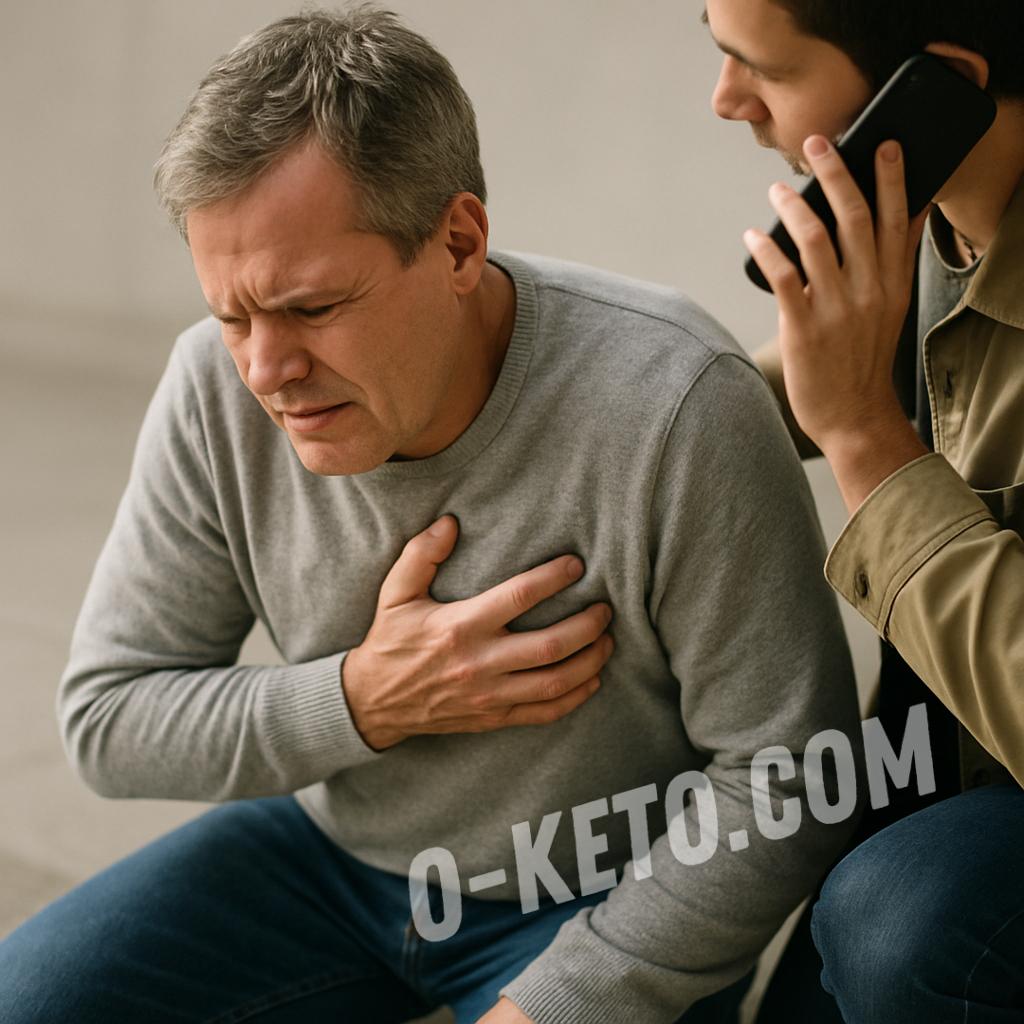

A heart attack does not always look like a movie scene with a sudden dramatic collapse. For many people it begins in a less theatrical way: pressure or burning in the chest, a heavy squeezing sensation, shortness of breath, cold sweat, nausea, weakness, or a strong sense that something is seriously wrong. Because the picture is not always dramatic, people often lose precious time trying to explain it away. They think it is indigestion, anxiety, fatigue, a blood pressure surge, or just “feeling unwell” that will pass. In a true heart attack, that waiting can cost a portion of heart muscle and worsen the final outcome.
First aid in this situation is not about proving the diagnosis at home. It is about not wasting time and not making the classic harmful mistakes. The central job for anyone nearby is to treat the event as a possible cardiac emergency, call for help quickly, reduce strain on the heart, and avoid forcing the person to cope with the attack alone.
How a heart attack often feels
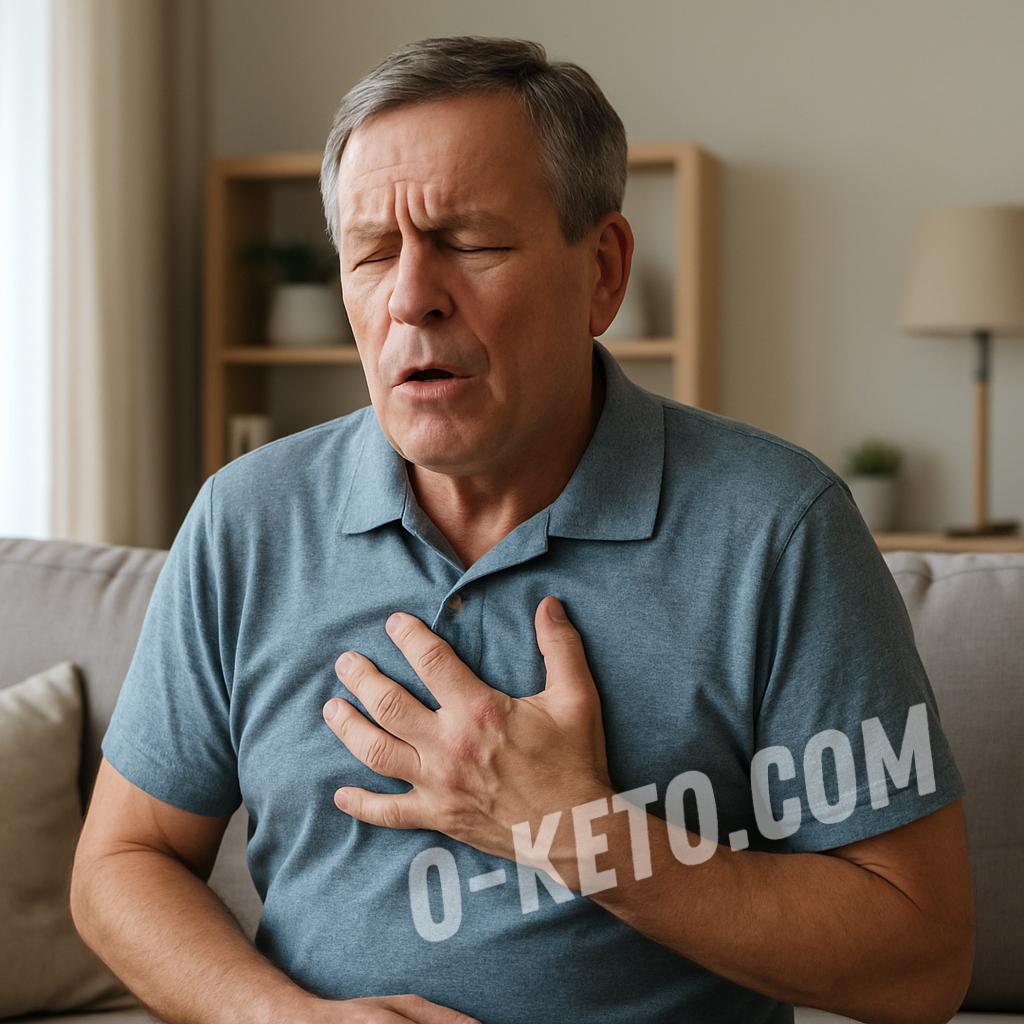
The best-known symptom is chest pain or severe chest discomfort. But many people do not describe it simply as “pain.” They may call it pressure, squeezing, heaviness, burning, fullness, or the feeling of a tight band across the chest. It may not be a sharp stab. It can feel like a strong oppressive discomfort that does not go away or that comes and goes in waves.
The discomfort may also spread beyond the chest. It can move into the left or right arm, shoulder, back, neck, jaw, or upper abdomen. Some people feel more shortness of breath, nausea, cold sweat, sudden weakness, or lightheadedness than actual dramatic chest pain. That is one reason a heart attack is sometimes mistaken for indigestion, panic, or generalized illness, especially in people who have never felt anything like it before.
Why you should not wait for it to pass
During a heart attack, part of the heart muscle is deprived of blood because a coronary artery becomes blocked or nearly blocked. The longer the muscle goes without adequate oxygen, the more tissue may die. Hospitals have treatments that can reduce damage and restore blood flow, but they work best when the person reaches medical care without a long delay.
In plain practical language, that means chest symptoms that fit a heart attack should not be watched at home for hours, explained away, or postponed until morning. Even if the final diagnosis turns out to be something else, early emergency evaluation is the safer mistake compared with reacting too late.
Which warning signs are especially concerning
The situation is especially concerning when symptoms start suddenly and last more than a few minutes or keep coming back. A person may have chest tightness or pain together with severe shortness of breath, sweating, pallor, nausea, marked weakness, or the feeling that they may faint. If a person looks frightened, unwell, clammy, and uncomfortable in the chest at the same time, the combination should be taken seriously.
Women, older adults, and people with diabetes may not always present with a textbook central crushing chest pain. They may notice more weakness, breathlessness, upper back pain, jaw pain, nausea, or unusual exhaustion. Those less classic presentations are not less dangerous. In fact, they are often the ones people underestimate the longest.
What to do immediately
The first step is to call emergency services. It helps to say clearly that you suspect a heart attack or serious cardiac chest pain and to describe the symptoms briefly, for example, “strong chest pressure for ten minutes, pain going into the arm, sweating, trouble breathing.” That kind of information helps the dispatcher understand the urgency.
While waiting, the person should rest in a comfortable seated or half-seated position, or in whatever position makes breathing and pain easier. They should not be encouraged to walk, shower, stretch, or “move around to see if it improves.” Tight clothing can be loosened, fresh air can be made available, and someone should stay with the person to watch for worsening symptoms.
What about aspirin and nitroglycerin
This is an area where careless advice causes problems. If the person already has nitroglycerin prescribed by their own clinician for episodes like this, they can take it according to their prescribed instructions while waiting for help. But you should not hand someone else’s nitroglycerin to a person who has never been prescribed it. The medicine has risks and is not automatically appropriate.
Aspirin can be useful in many suspected heart attacks, but it is still safer when the emergency dispatcher or a clinician confirms that it should be taken, because a person may have bleeding risk, allergy, or another reason why the choice should not be automatic. So the better sequence is call for help first, then follow clear professional guidance, rather than trying to build a home treatment plan from memory and guesswork.
What not to do
One of the worst mistakes is driving yourself. A person having a heart attack may suddenly become much worse, collapse, or trigger a road crash. If an ambulance truly cannot be reached and there is absolutely no other choice, another person should drive, but that is a backup plan, not the preferred response. Another mistake is making the person walk, climb stairs, gather belongings, or “just breathe through it for a while.” A heart already under strain does not need extra workload.
Do not give food or alcohol. Do not argue with the person if they are minimizing the symptoms out of fear or embarrassment. Many people having a heart attack say they do not want to cause a fuss. In that moment, it is more helpful to calmly take charge of calling for help than to accept a dangerous attempt to cancel the emergency.
If the person becomes unconscious
A heart attack can trigger dangerous rhythm problems and sudden collapse. If the person becomes unresponsive, check whether they are breathing normally. If they are breathing, keep them in a safe position and continue observing them while waiting for the ambulance. If there is no normal breathing, or only rare ineffective gasps, begin CPR and follow the standard resuscitation sequence.
At that point, it no longer matters whether the exact cause is a heart attack or another cardiac emergency. The immediate problem is absent normal breathing and circulation. If an automated external defibrillator is available, it should be used according to its voice prompts.
How to help while waiting for emergency care
The most useful things you can do are calm observation and readiness to share important details. It helps to note when symptoms began, whether they were constant or came in waves, whether the person has known heart disease, high blood pressure, or diabetes, and which medicines they take. Those details can matter to the ambulance crew and hospital team.
While waiting, avoid overwhelming the person with constant questions. Short reassurance is usually better: help is on the way, stay still, do not try to stand up, and keep breathing as comfortably as possible. If symptoms worsen, if the person becomes much paler, more drowsy, more confused, or seems close to collapsing, that can be reported to emergency services if contact is ongoing.
Takeaway
A heart attack is often suspected when there is pressure, squeezing, heaviness, or burning in the chest lasting several minutes, especially when it spreads to the arm, back, neck, or jaw and comes with shortness of breath, cold sweat, nausea, or sudden weakness. But not everyone has the same classic picture, and some patients mainly present with breathlessness, unusual weakness, or upper-body discomfort.
If the situation fits a possible heart attack, call emergency services immediately, keep the person resting, do not make them walk or drive, and do not waste time hoping the episode will pass. Nitroglycerin should be used only if it was already prescribed for that person, and aspirin is best taken only when specifically recommended by emergency services or a clinician. If the person stops breathing normally, start CPR without delay.
Sources
- 2024 American Heart Association and American Red Cross Guidelines for First Aid
- Warning Signs of a Heart Attack — American Heart Association
- Heart Attack, Stroke and Cardiac Arrest Symptoms — American Heart Association
- 2025 ACC/AHA/ACEP/NAEMSP/SCAI Guideline for the Management of Patients With Acute Coronary Syndromes
- Call 911 for Heart Attack or Stroke Symptoms — American Heart Association