


Riboflavin deficiency
Riboflavin deficiency is a lack of vitamin B2 in which energy metabolism, mucosa, skin, eyes and enzyme systems suffer, so it is important to assess not only diet but also gut function, alcohol, broader deficiency patterns and the state of rapidly renewing tissues.
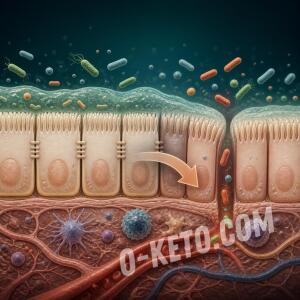



Riboflavin deficiency is a lack of vitamin B2, a nutrient required for many enzyme systems, energy metabolism and the maintenance of rapidly renewing tissues. In everyday conversation it is mentioned far less often than iron, vitamin D or B12, so symptoms related to low riboflavin are easily treated as something minor or vague. In practice B2 participates in cellular energetics, mucosal health, skin condition, eye comfort and the functioning of other vitamin-dependent pathways. That means riboflavin deficiency is not an exotic curiosity, but a real part of a wider deficiency background, especially when diet is poor or absorption is disturbed.
Why B2 deficiency develops
Causes include monotonous diet, undernutrition, alcohol overuse, malabsorption, intestinal disease, increased need and a broader pattern of multiple vitamin insufficiency. Riboflavin is not usually the first nutrient people think of, which is why its deficiency easily hides inside the larger impression that “something is wrong with nutrition.” In practice it matters to remember that water-soluble vitamin deficits often travel together rather than one by one. If overall nutrition and gut function are impaired, B2 rarely becomes the only missing piece.
A common mistake is to hunt for one dramatic explanation while overlooking the background of generalized vitamin depletion.
How riboflavin affects tissues
Riboflavin is needed for enzymes involved in redox reactions and energy metabolism, so tissues that renew quickly and work intensely are especially vulnerable when intake is low. This is why deficiency may affect mucosa, skin, the corners of the mouth, the tongue, the eyes and the broader feeling of low energy. The picture is not always dramatic, and that low-intensity presentation is what makes the issue so easy to miss: a person may live for a long time with chronically irritated tissues and reduced reserve without realizing that a concrete deficiency layer is involved.
The longer the deficiency goes unnoticed, the more it can look like a set of scattered minor complaints rather than one metabolic pattern.
How it may present
Classic manifestations include cheilosis, cracks at the mouth corners, glossitis, irritated mucosa, seborrheic-type skin changes, eye sensitivity, fatigue and sometimes a broader pattern of other B-vitamin deficiency. In real life this often turns into descriptions such as “my lips keep splitting,” “my tongue feels strange,” “my eyes are always irritated” or “I never have enough energy.” In practice the key is the cluster of symptoms plus the nutritional context, not waiting for one dramatic sign to announce the diagnosis.
If B2 deficiency travels alongside other deficiencies, identifying it in isolation becomes even harder.
Diet, gut function and neighboring deficiencies
Riboflavin comes from dairy products, eggs, liver, meat and a range of other foods, but if the diet is poor or absorption is impaired, simply knowing the food list is not enough. Alcohol, gut health, protein status and the wider pattern of B-vitamin deficiencies all matter as well. It is practically useful to look broadly: if a person has signs of deficiency, anemia, inflamed mucosa and poor diet, the topic of B2 should be considered together with the other moving parts rather than in isolation.
The more accurately the whole deficiency profile is mapped, the less likely it is that one vitamin gets patched while the systemic problem remains.
Why B2 deficiency is easy to underestimate
Riboflavin deficiency rarely produces one dramatic signal, which is exactly why it gets missed. Yet the combination of mouth-corner cracking, irritated mucosa, eye discomfort and reduced energy often suggests that the body is lacking something fundamental. In practice attention to such “small” signs can reveal a broader nutritional problem much earlier.
When closer review is needed
Closer review is needed with cheilosis, glossitis, mucosal irritation, eye complaints, monotonous diet, alcohol overuse, intestinal disease and signs of multiple B-vitamin deficiencies. The most sensible way to think about riboflavin deficiency is as part of a wider disturbance of nutrition and cellular energetics that requires evaluation of causes, not just routine prescription of a single supplement.
If you have any questions about the term "Riboflavin deficiency", you can ask them to AI. Please note, a low-cost OpenAI model is used. It may answer questions about disease treatment with errors!

 1 / 4
1 / 4


 1 / 4
1 / 4 1 / 4
1 / 4 1 / 4
1 / 4 1 / 4
1 / 4