


Radiation
Radiation matters not only in disasters and radiotherapy: the biological impact depends on the type of exposure, the dose, the duration, tissue sensitivity, marrow reserve, mucosal integrity, skin response, and the ability to recover after injury.

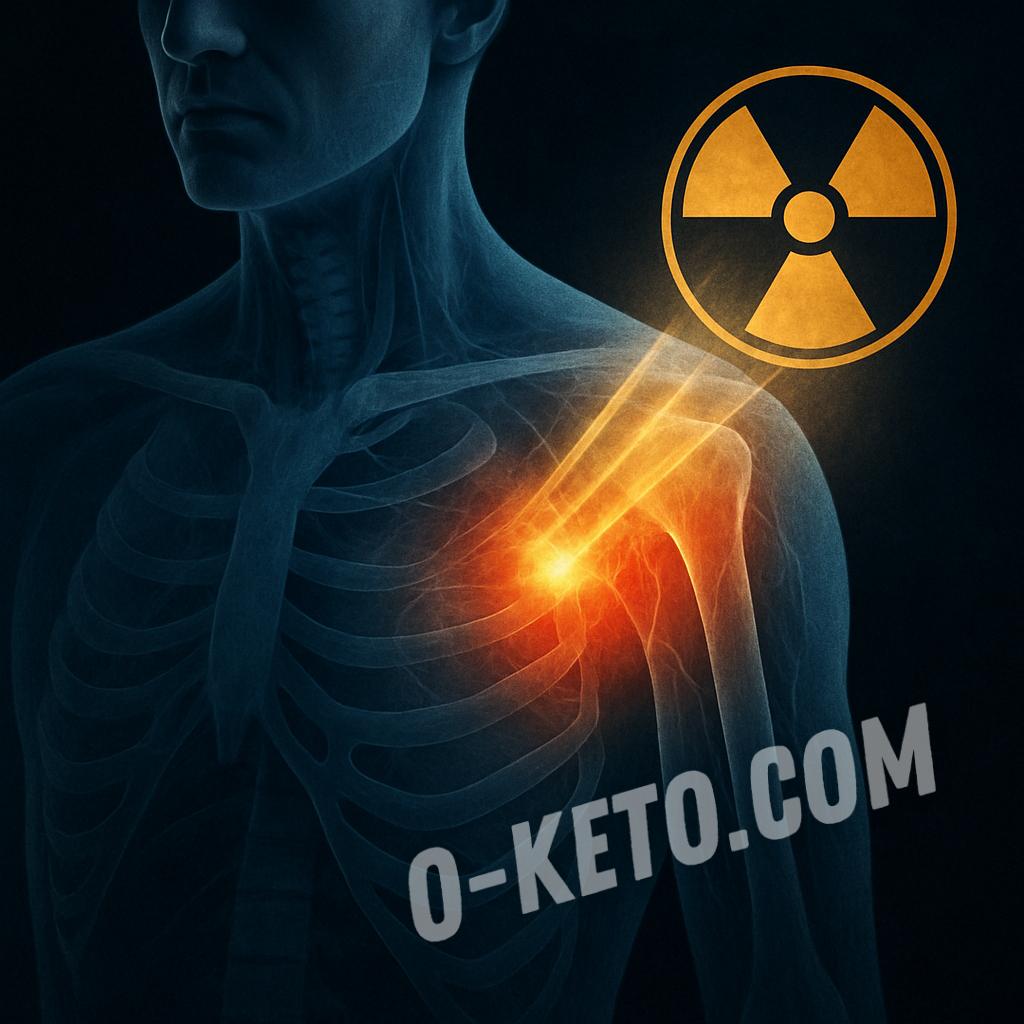
Radiation is a form of energy or particle flow that can interact with human tissue and alter molecules at a very basic level. In everyday language the word is often used as if it described one single danger, but in practice the clinical meaning depends on the kind of exposure, the dose, the duration, the route, and the tissue that was hit. External irradiation, internal contamination with radionuclides, repeated occupational exposure, and planned medical radiotherapy are not the same scenario. Because of that, the discussion cannot stop at fear alone. What matters biologically is whether the exposure is strong enough to damage DNA, increase oxidative stress, suppress bone marrow, inflame mucosa, injure skin, or reduce the ability of tissues to regenerate normally.
For some people radiation becomes relevant not because of accidents but because of cancer treatment, imaging, industrial work, or environmental contamination. In those cases the key question is not the word “radiation” itself, but what kind of load the body actually received and which organs are most vulnerable in that context.
Which forms of radiation matter medically
From a health perspective the most important distinction is between ionizing and non-ionizing radiation. When medicine speaks about the classic biological dangers of radiation, it usually means ionizing forms such as alpha particles, beta particles, gamma rays, X-rays, or neutron exposure. Their relevance comes from the ability to ionize molecules, generate reactive species, and disturb DNA integrity. Yet the same nominal exposure does not produce the same effect in every case. Penetration depth, exposure geometry, total dose, and whether the source remained outside the body or entered it all change the risk pattern.
For example, external gamma exposure and internal deposition of a radionuclide in the lungs or gastrointestinal tract follow different biological logic. In one case shielding, distance, and time dominate the discussion; in the other, local retention and prolonged organ-specific toxicity become more important.
What happens to tissue after exposure
A major mechanism of radiation injury is the production of free radicals and direct or indirect DNA damage. When the injury is large enough, cells lose some of their ability to divide, repair membranes, and maintain normal enzyme systems. Tissues with rapid cell turnover are especially vulnerable: bone marrow, intestinal lining, oral and gastrointestinal mucosa, skin, and hair follicles. That is why relevant exposure can lead to fatigue, low white blood cell counts, thrombocytopenia, mucosal irritation, diarrhea, nausea, hair loss, delayed healing, and greater vulnerability to infection.
Even when the situation does not meet the threshold of acute radiation syndrome, moderate exposure can still matter. Oxidative stress, inflammation, mitochondrial strain, and depletion of antioxidant defenses may all influence recovery, tolerance to therapy, and general resilience.
What determines how severe the outcome becomes
Severity depends on much more than the physical dose alone. Protein depletion, frailty, advanced age, chronic inflammation, impaired liver or kidney function, pre-existing marrow stress, and active infection can all reduce the body’s ability to tolerate radiation injury. In contrast, better nutritional reserve, hydration, mucosal support, and more stable overall physiology often improve tolerance, especially in planned treatment settings such as radiotherapy.
It also matters whether the exposure was a one-time event or a repeated burden. A lower but chronic load may still create cumulative biological stress if recovery never fully catches up.
What support usually focuses on
Support depends on the scenario. In an acute emergency, the priorities are evacuation, decontamination, dosimetric assessment, and medical stabilization. In radiotherapy or in recovery after known exposure, the focus often shifts toward nutritional reserve, hydration, mucosal protection, inflammation control, and support of antioxidant systems. Clinically relevant monitoring may include protein intake, fluid status, bowel tolerance, blood counts, skin condition, infection risk, and the person’s capacity to maintain food intake through treatment.
Some supportive regimens also explore compounds with antioxidant, membrane-supportive, or anti-inflammatory potential. The point of such measures is not to “cancel” radiation but to reduce secondary tissue stress and improve recovery conditions where that is realistic and medically appropriate.
When urgent medical assessment is especially important
Urgent evaluation matters when relevant exposure is suspected and symptoms such as repeated vomiting, severe weakness, diarrhea, fever, bleeding tendency, confusion, or clear skin injury appear after contact. In oncology settings, severe mucositis, marked weight loss, dehydration, sharp blood-count decline, or signs of infection also require timely review. In those situations the issue is no longer simple supportive self-care but proper medical management.
Radiation is therefore not a single disease and not a single symptom. It is a type of injurious exposure whose consequences depend on dose, route, target tissue, and the quality of subsequent recovery. The clearer the exposure scenario is, the more rational both the medical and nutritional support strategy can become.
If you have any questions about the term "Radiation", you can ask them to AI. Please note, a low-cost OpenAI model is used. It may answer questions about disease treatment with errors!


 1 / 4
1 / 4 1 / 4
1 / 4