


Insulinoma
Insulinoma is a tumor that can produce insulin autonomously and trigger recurrent hypoglycemia; suspicion becomes stronger when glucose is low but insulin and C-peptide are not appropriately suppressed and symptoms improve after eating.
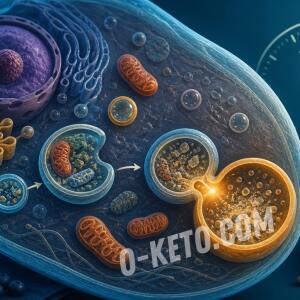



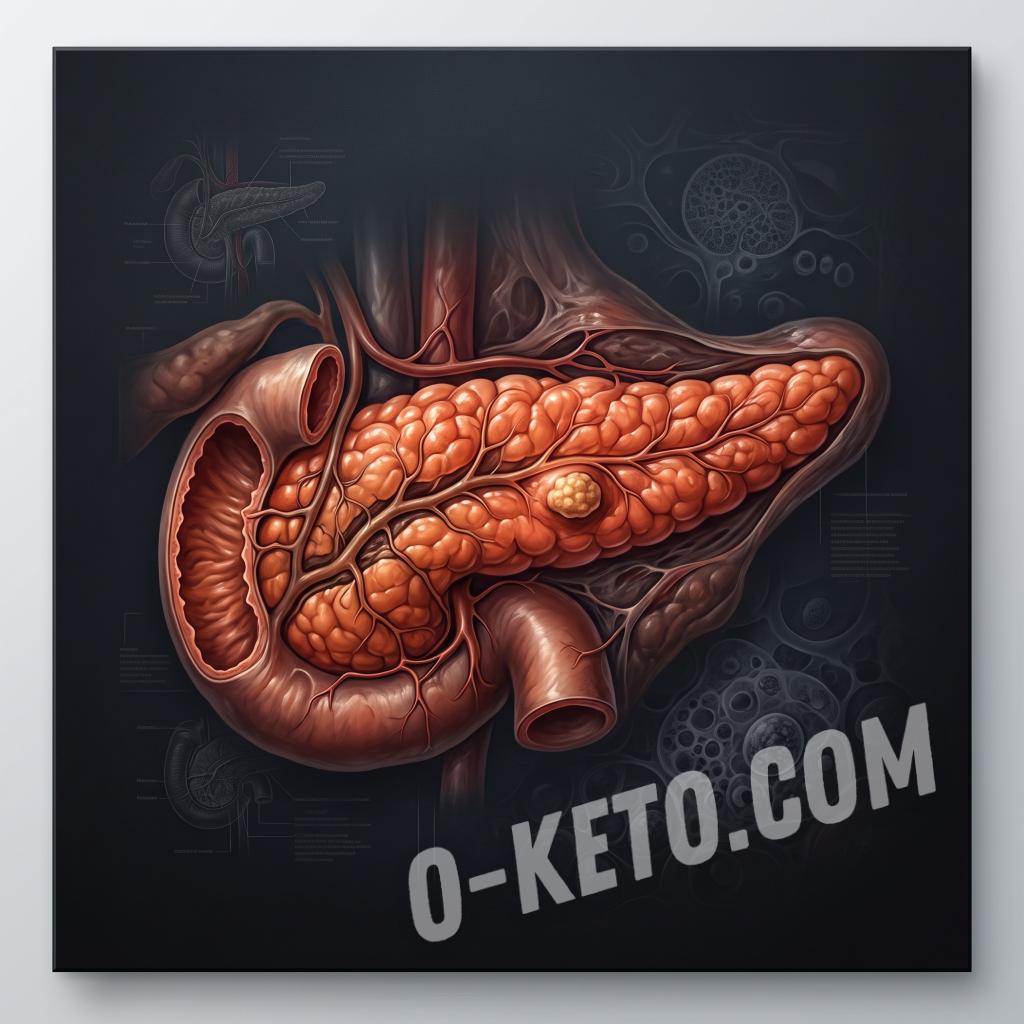
Insulinoma is a usually neuroendocrine tumor that begins producing insulin autonomously, meaning it is no longer responding appropriately to the actual glucose level in the blood. Because of that, a person develops episodes of hypoglycemia, especially during fasting, overnight, after long gaps without food, or around physical exertion. The practical issue is not just the diagnostic label but the pattern it creates: repeated attacks of weakness, tremor, sweating, hunger, confusion, impaired concentration, and sometimes more severe neuroglycopenic symptoms. Insulinoma is not simply a vague “tendency toward low sugar.” It is a state of pathologic endogenous insulin secretion that requires proper medical interpretation.
What happens in insulinoma
Under normal physiology, insulin secretion falls when blood glucose drops. In insulinoma, that braking mechanism becomes abnormal. The tumor tissue continues releasing insulin even when the body no longer needs glucose to be pushed out of the bloodstream. As a result, glucose may fall to levels at which nervous-system function begins to suffer, and the person experiences a true hypoglycemic episode rather than just ordinary hunger. In this context, C-peptide may remain inappropriately normal or elevated because the insulin is being produced inside the body rather than injected from outside. This is exactly why the relationship between glucose, insulin, and C-peptide is central in interpretation.
Which symptoms raise suspicion
Typical symptoms include sweating, tremor, sudden weakness, marked hunger, palpitations, anxiety, dizziness, irritability, confusion, trouble speaking or concentrating, and worsening during long gaps without food with rapid relief after carbohydrates are taken. Some people notice episodes mainly in the morning or at night, others after exercise or on days when meals were delayed. In more severe cases, seizures, fainting, and neuroglycopenic manifestations may occur. What matters is that the symptoms of insulinoma are usually not random or isolated; they tend to recur and form a recognizable hypoglycemic pattern, particularly when there is a clear relation to fasting and prompt improvement after eating.
Which tests matter most
Glucose, insulin, and C-peptide are especially important when measured during hypoglycemia or within a formal diagnostic protocol. If glucose is low but insulin and C-peptide remain inappropriately high or insufficiently suppressed, the pattern supports endogenous hyperinsulinemia. Additional markers such as proinsulin, ketones, and related biochemical data may help distinguish among different causes of hypoglycemia. The key is not one isolated number but the physiological mismatch itself: during real hypoglycemia, endogenous insulin secretion should be suppressed, and in insulinoma that suppression is abnormal.
Why C-peptide matters so much
C-peptide helps clarify whether insulin is coming from inside the body or being introduced from outside. When a person uses exogenous insulin, C-peptide does not rise with it. In insulinoma, however, the tumor produces endogenous insulin, so C-peptide participates in the same abnormal pattern. That is why it makes sense for the site to connect insulinoma to the C-peptide interpretation layer as a real disease rather than a loose text label. Elevated C-peptide alone does not automatically prove insulinoma, because it can also be seen with insulin resistance or type 2 diabetes. But when C-peptide is inappropriately high specifically during hypoglycemia, its diagnostic meaning changes substantially.
What it must be distinguished from
Insulinoma should be distinguished from factitious hypoglycemia, medication-related hypoglycemia, prolonged fasting, severe liver disease, adrenal insufficiency, and other causes of low glucose. Some of these states also produce weakness and sweating, but the mechanism is different. The most important diagnostic divide is between endogenous overproduction of insulin and external or secondary causes of falling glucose. For that reason, interpretation depends not on the patient’s fear or one glucometer reading, but on the combination of symptoms, the biochemical pattern during an episode, and, when needed, imaging to identify a source of inappropriate secretion.
Why one random test is not enough
A single low sugar reading or one elevated C-peptide result is not enough to confirm or exclude insulinoma. Timing is critical: what the glucose was, whether the person was fasting, whether symptoms were present, how the episode ended, what medications or supplements were involved, how ketones behaved, and whether endogenous insulin secretion looked physiologically inappropriate in that exact moment. Insulinoma is a strong example of a condition in which context matters more than a beautiful standalone number. Without that context, even a technically good laboratory result can be interpreted far too broadly or in the wrong direction.
When more urgent assessment is needed
Faster medical review is important when hypoglycemic episodes recur, become more intense, involve fainting, major confusion, seizures, dangerous nighttime events, or risky situations while driving or working. Extra caution is needed when symptoms clearly improve after carbohydrates while insulin and C-peptide remain inappropriately high during low glucose. Insulinoma is not a condition that should be explored for long through self-interpretation alone. The sooner pathologic endogenous hyperinsulinemia is confirmed or excluded, the lower the risk of severe hypoglycemia and diagnostic delay.
If you have any questions about the term "Insulinoma", you can ask them to AI. Please note, a low-cost OpenAI model is used. It may answer questions about disease treatment with errors!


 1 / 4
1 / 4 1 / 4
1 / 4