


Pyelonephritis
Pyelonephritis is an infectious inflammatory process in the kidney and renal pelvis where fever, flank pain, hydration status, bacterial spread, and the reason urine flow was disrupted all matter, not only urinary discomfort.




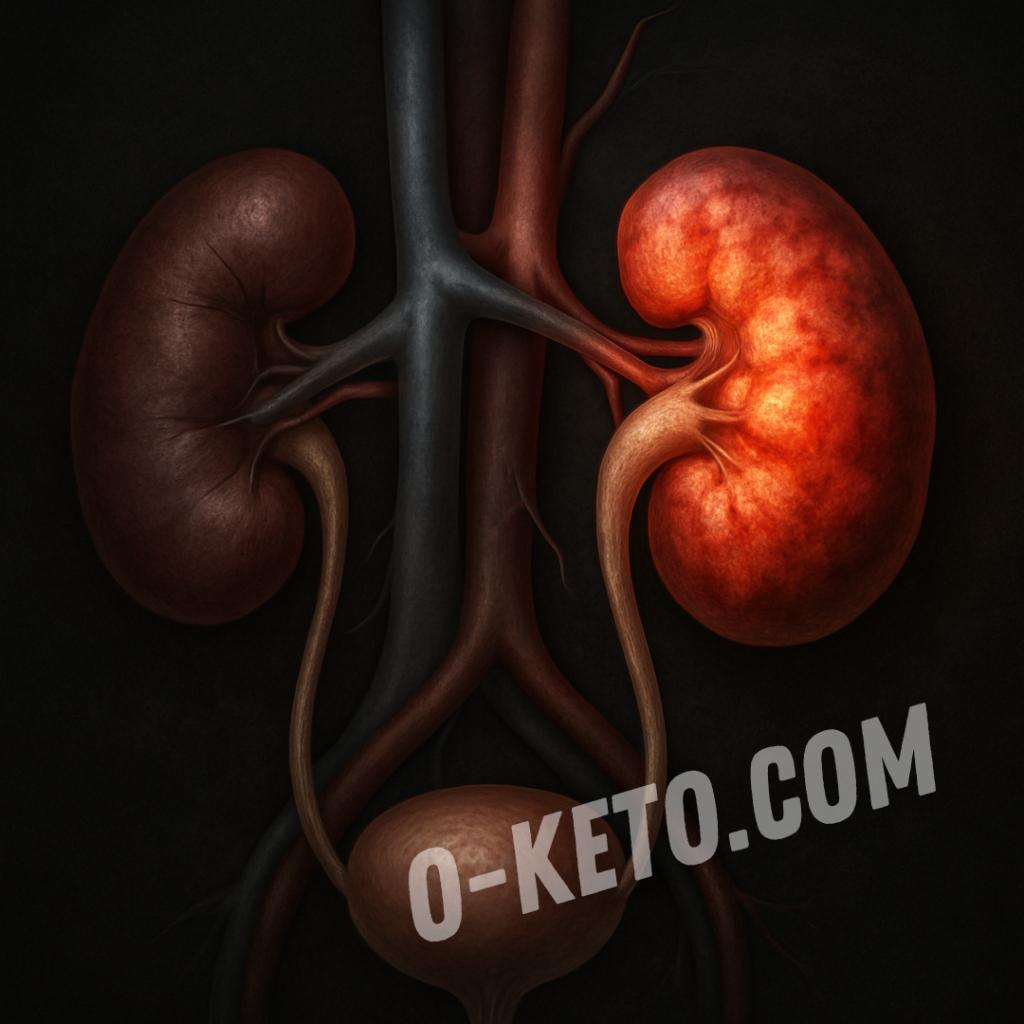
Pyelonephritis is an infectious inflammatory condition involving the kidney tissue and the collecting system. In casual speech it is sometimes blurred together with cystitis or reduced to the vague idea of having “chilled the kidneys,” but that is too simplistic. What matters is that infection is no longer limited to the lower urinary tract. Once the kidney is involved, the picture often expands beyond burning and frequency and may include fever, chills, flank or back pain, nausea, weakness, and signs of systemic illness. That broader response is one of the main practical differences between pyelonephritis and a more superficial bladder infection.
In many cases the infection ascends from below. A person may start with urethral or bladder symptoms and then bacteria move upward, especially when urine flow is impaired or the environment favors persistence. Stones, pregnancy, diabetes, urinary retention, anatomic abnormalities, and some neurological bladder problems all increase the likelihood that bacteria can reach or remain in the upper tract. Less often the kidney becomes involved through bloodstream spread from another focus. This is why pyelonephritis is rarely just a random isolated event.
How it differs from cystitis
Cystitis usually stays centered in the bladder and commonly causes burning, urgency, frequency, and the sensation of incomplete emptying. Pyelonephritis sits one level higher and usually affects the body more strongly. When the kidney becomes inflamed, fever, chills, flank pain, nausea, and marked fatigue often appear, either together with lower urinary symptoms or sometimes more prominently than them. In other words, the problem becomes more systemic rather than remaining purely local.
This difference matters because the risks also change. With pyelonephritis there is more concern about dehydration, worsening kidney function, bacterial spread, and complications in vulnerable people. That is especially true with stones, pregnancy, diabetes, older age, impaired immunity, or any reason urine cannot drain well. A febrile person with strong back pain therefore should not automatically assume it is merely “a bladder infection that will pass.”
Which symptoms are especially concerning
Typical features include fever, chills, generalized illness, pain in the flank or lower back, nausea, and sometimes vomiting, along with urinary discomfort, cloudy urine, or foul smell. Some patients still have clear urgency and burning, while in others the systemic symptoms dominate. The person may feel much more unwell than expected from a lower urinary infection alone.
Some situations are particularly worrying: not being able to drink because of nausea, very low urine output, profound weakness, confusion, or persistent severe pain. Older adults may present less typically and show more general decline than obvious urinary symptoms. That is why interpretation should never rely on one symptom alone. The whole pattern matters, especially the combination of fever, flank pain, and worsening general condition.
Why hydration and urine flow matter so much
Hydration has special relevance in pyelonephritis because the kidneys are working under inflammatory stress while fever, sweating, poor appetite, and vomiting can easily push the patient toward dehydration. When fluid intake falls, urine becomes more concentrated, the person feels worse overall, and the natural flushing of the urinary tract becomes less effective. Water does not “cure the infection” by itself, but adequate fluid intake is a meaningful supportive measure when there is no contraindication from heart failure, dangerous edema, or a clinician’s restriction.
Urine drainage matters just as much. If there is a stone, obstruction, severe retention, or another mechanical reason the kidney cannot empty well, the infection may become more difficult to control and the course can worsen quickly. In that setting, supportive care alone is not enough. The question is not only which bacteria are present, but whether the urinary tract can actually clear and decompress properly.
How the diagnosis is usually clarified
Diagnosis commonly involves urinalysis, often urine culture, blood markers of inflammation, and additional imaging when obstruction, stones, abscess, or a complicated course is suspected. The interpretation is not built on bacteria in urine alone. Fever pattern, flank tenderness, dehydration, nausea, and background conditions all help determine how seriously the picture should be taken. In pregnancy, diabetes, recurrent infection, or known urinary abnormalities, clinicians usually keep a lower threshold for deeper evaluation.
It is also important to distinguish uncomplicated from complicated disease. Recurrent episodes, male sex, pregnancy, stones, catheters, immunosuppression, poor response to early therapy, and structural urinary problems all push the case toward a more careful workup. At that point pyelonephritis should not be treated as a generic one-time “kidney inflammation,” because the driver of recurrence may be more important than the episode itself.
What support usually focuses on
Support usually centers on timely medical assessment, enough fluid, control of fever, prevention of dehydration, and close attention to the overall clinical state. Rest, tolerable fluids, and lighter food intake are often more realistic during the acute phase than trying to force normal routine. If the person cannot keep fluids down or urinates very little, that is not a minor inconvenience but a warning sign that the situation may be moving in the wrong direction.
It is unwise to romanticize the idea of simply waiting out pyelonephritis with home measures alone. This condition has too much potential for complications, especially when urine flow is impaired or systemic illness is pronounced. Support with fluids and general care matters, but its role is to reduce strain and help stability while the infection is properly controlled, not to replace necessary medical treatment.
When prompt care matters most
Faster in-person assessment is especially important with high fever, chills, flank pain, vomiting, reduced urine output, visible blood in urine, pregnancy, diabetes, older age, kidney stones, or any suspicion of blockage. Concern rises further if blood pressure falls, confusion appears, or drinking becomes impossible. At that point the problem is no longer just local discomfort but a potentially more dangerous infection pattern.
Pyelonephritis is therefore more than “kidney pain during a cold.” It is a kidney infection in which the route of bacterial entry, the state of urine drainage, the degree of dehydration, and the speed of deterioration shape the real level of risk. The sooner that logic is recognized, the lower the chance of avoidable complications or a needlessly prolonged course.
If you have any questions about the term "Pyelonephritis", you can ask them to AI. Please note, a low-cost OpenAI model is used. It may answer questions about disease treatment with errors!


