


Otitis
Otitis is inflammation of the ear and may involve the outer ear canal, the middle ear, or more rarely deeper structures. Practical importance lies not only in pain and fever, but also in hearing loss, discharge, nasal congestion, and the risk of complications, especially in children.




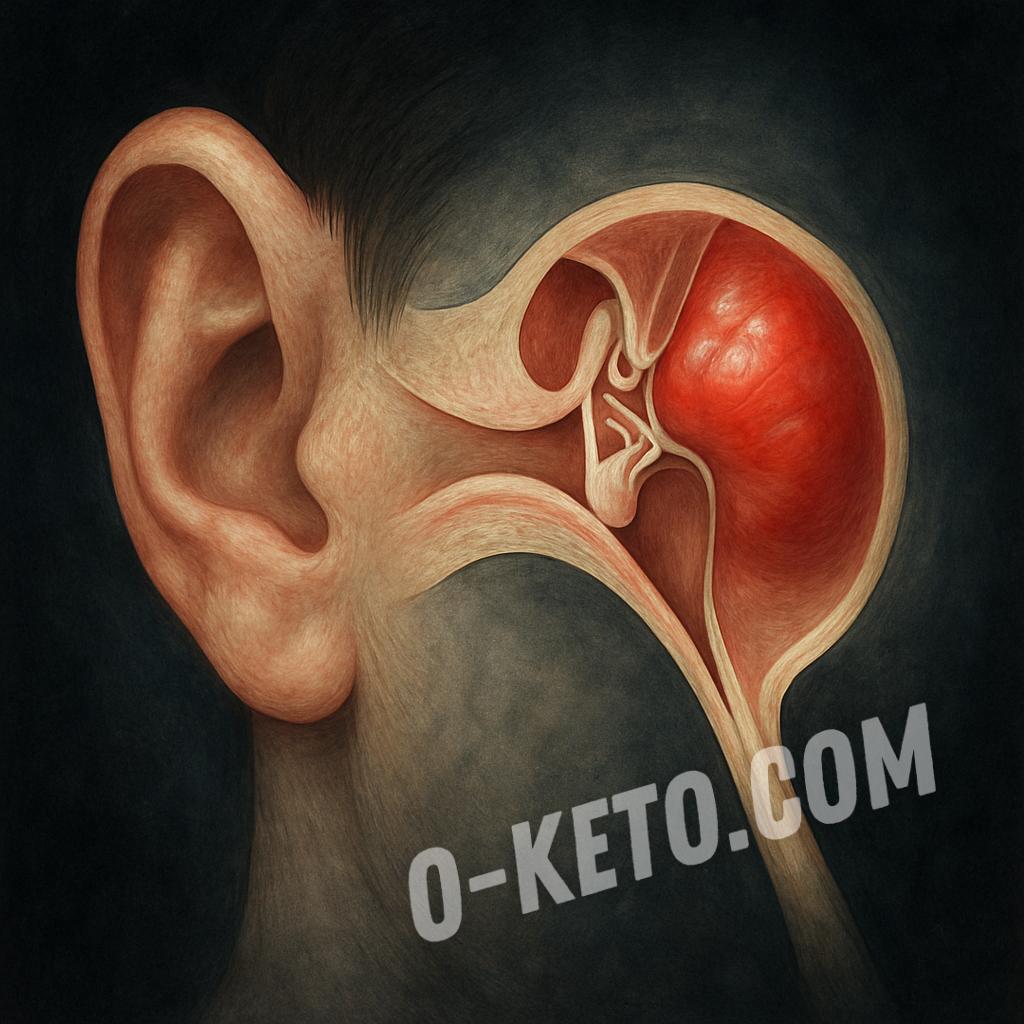
Otitis means inflammation of the ear, but it does not describe one single condition. The outer ear canal, the middle ear behind the eardrum, and much more rarely the inner ear structures can all be involved, and each scenario behaves differently. That is why two people with “ear pain” may have very different problems: one may have local irritation of the ear canal after water exposure or trauma, another may have middle-ear inflammation as a complication of an upper respiratory infection, and a third may already be dealing with a purulent process with pressure, discharge, and a real threat to hearing. In practice the key issue is not only naming otitis, but identifying where the inflammation is located, why it appeared, and whether warning signs of complications are present.
The topic is especially common in children. Their Eustachian tube is shorter and functionally different, so swelling from nasal infection, adenoids, and recurrent respiratory illness more easily affects the middle ear. Adults can also develop otitis, however, especially after swimming, aggressive ear cleaning, chronic rhinitis, allergic swelling, pressure changes, or impaired local skin protection in the ear canal.
Which forms of otitis matter most
Otitis externa usually affects the skin of the outer ear canal. It often follows excess moisture, trauma from cotton swabs, earbud irritation, or underlying skin problems. Pain commonly becomes worse when the tragus is pressed or the outer ear is moved.
Otitis media affects the space behind the eardrum and is the form most strongly linked to nasal congestion, viral infections, adenoids, and poor Eustachian tube ventilation. Fluid builds up, pressure rises, and the person may feel throbbing pain, fullness, and reduced hearing. Inner-ear involvement is less common but much more serious, because dizziness, vomiting, marked imbalance, and more substantial hearing risk may appear. That kind of presentation needs prompt medical review.
How ear inflammation usually presents
Pain is the classic symptom, but it is far from the only one. People may also notice pressure, muffled hearing, ringing, fever, irritability in children, poor sleep, crying during feeding, ear discharge, or an unpleasant odor. If severe pain suddenly eases and fluid starts draining from the ear, perforation of the eardrum becomes a real possibility. That does not always mean permanent damage, but it does mean the ear should be examined.
In small children the picture may be less specific. A child may not say “my ear hurts” yet may pull at the ear, sleep badly, eat poorly, wake crying at night, or react more when swallowing or lying on one side. Because of that, interpretation often depends on the whole pattern rather than one clear complaint.
Why otitis so often follows a cold or runny nose
The middle ear is connected to the nasopharynx through the Eustachian tube, which equalizes pressure and allows drainage. When rhinitis, adenoidal swelling, allergy, or viral inflammation blocks this pathway, ventilation worsens. Fluid stagnates behind the eardrum, and that creates conditions for pressure, inflammation, and sometimes bacterial overgrowth. For many children and adults, otitis therefore does not begin “in the ear” at all. It begins in the nose and throat and only later becomes an ear problem.
This is why good evaluation often includes not only the ear itself but also the state of nasal breathing, mucus, allergy burden, and the wider course of the respiratory infection.
What raises the risk of complications
Risk is higher in very young children, in adenoids, recurrent viral illnesses, allergic rhinitis, immune vulnerability, household smoke exposure, and chronic nasal or throat inflammation. For otitis externa, frequent swimming, constant moisture, and repeated trauma to the ear canal increase the chance of trouble. Warning signs include high fever, severe pain, marked hearing loss, purulent discharge, swelling behind the ear, lethargy, or no improvement over the expected timeframe.
The problem with otitis is not limited to discomfort. If the course goes badly, inflammation may persist, affect hearing, contribute to mastoid involvement, or maintain chronic fluid behind the eardrum. In children, repeated episodes can also disturb sleep, behavior, and speech development when hearing is affected too often or too long.
What treatment and support usually involve
Management depends on the type of otitis, age, severity, and examination findings. Some cases are observed with pain control and follow-up, especially if the picture still looks more viral and mild. Other cases require ear drops, nasal treatment, fever control, or antibiotics when bacterial complications are likely. Not every ear drop is safe in every situation, and a suspected eardrum perforation is exactly the kind of setting where random self-treatment can make things worse.
From a nutrition and supportive-care perspective, the foundation remains simple: fluid intake, fever management, tolerable food, rest, and lowering general inflammatory stress. Some protocols also use nutrients or plant-based supports with specific doses, but those measures are adjuncts only. They do not replace examination when pain is severe, hearing drops, discharge appears, or the illness stops behaving like an uncomplicated episode.
When the ear should be assessed quickly
Medical review should not be delayed if an infant has high fever and obvious ear pain, if discharge comes from the ear, if hearing clearly worsens, if pain is intense enough to disrupt sleep, if there is swelling or tenderness behind the ear, or if dizziness, vomiting, or marked weakness appears. Adults need prompt assessment for the same warning signs, as well as for recurrent episodes or persistent fullness after a recent respiratory infection.
Otitis is therefore more than a simple earache. It is a condition that requires understanding of location, connection to the nose and throat, hearing status, and time course. The earlier it becomes clear whether the process is limited to the outer canal or involves the middle ear with complication risk, the more precise both treatment and supportive care can be.
If you have any questions about the term "Otitis", you can ask them to AI. Please note, a low-cost OpenAI model is used. It may answer questions about disease treatment with errors!


 1 / 4
1 / 4


 1 / 4
1 / 4
 1 / 4
1 / 4 1 / 4
1 / 4