


Serum Transferrin
Serum transferrin helps show how the body transports iron and whether the pattern may reflect deficiency, inflammation, or poor protein status.
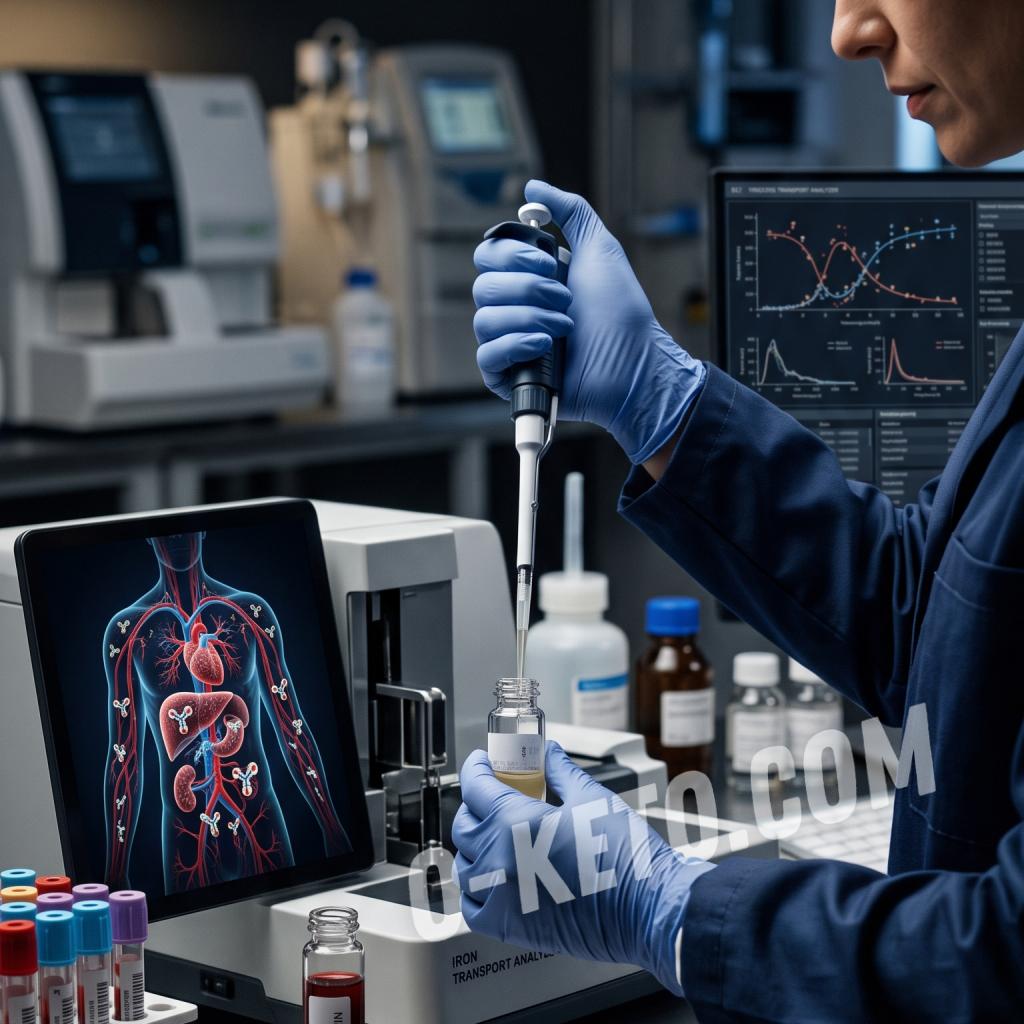
Serum transferrin is a blood test that measures the main protein responsible for carrying iron through the bloodstream. It is useful not only for assessing iron balance, but also for understanding whether the body has adequate protein resources and liver function to support normal iron transport.
Transferrin is produced in the liver and binds iron so it can be delivered to tissues that need it for hemoglobin synthesis, enzyme activity, and energy metabolism. Because of that, this marker is rarely interpreted alone. It becomes much more meaningful when read together with ferritin, serum iron, transferrin saturation, total iron-binding capacity, hemoglobin, red blood cell indices, symptoms, and the broader clinical picture.
What the test shows
This marker reflects the body’s transport capacity for iron. Shifts in transferrin can point toward changes in iron handling, but they may also reflect protein status, liver function, inflammation, or hormonal and physiological influences. That is why it works best as part of an iron panel rather than a standalone number.
In practice, transferrin can help explain why ferritin or serum iron look abnormal. Sometimes it supports classic iron deficiency, while in other cases it suggests that the body’s transport system is being affected by poor protein intake, impaired liver synthesis, or a more complicated inflammatory pattern.
When it is especially informative
Serum transferrin is useful in the setting of fatigue, hair loss, low exercise tolerance, suspected iron deficiency, unexplained anemia patterns, chronic inflammatory states, digestive issues, and uncertain responses to iron therapy. It is especially helpful when the clinician needs to separate straightforward iron deficiency from a more mixed metabolic picture.
If someone is already taking iron but the full profile is not improving as expected, transferrin may provide an important clue. A lack of protein resources or impaired liver function can limit transport capacity even when iron itself is being supplemented.
What can affect the result
Transferrin is influenced by more than iron stores alone. Its level may shift with low protein intake, liver disease, pregnancy, oral contraceptive use, inflammatory conditions, and other metabolic factors. For that reason, the result should be interpreted in context rather than treated as a simple yes-or-no marker.
The test is more valuable when it is viewed as a systemic marker of iron transport and protein synthesis instead of a one-off isolated number.
How to read it with other markers
Transferrin is usually interpreted together with ferritin, serum iron, transferrin saturation, and TIBC. High transferrin combined with low ferritin and low saturation may strengthen suspicion of iron deficiency, but other patterns can point toward liver or protein-related issues instead.
The most practical approach is to read serum transferrin as one part of a larger iron-transport picture, not as a final diagnosis by itself.
How it is read with ferritin and transferrin saturation
Transferrin is rarely interpreted on its own. If ferritin is low and transferrin is elevated, that often supports iron deficiency and the increased attempt of the body to transport scarce available iron more actively. If transferrin falls in the setting of inflammation, liver disease or poor protein status, the pattern may look very different even when symptoms such as fatigue or weakness sound similar.
That is why the test is most useful when paired with ferritin, serum iron, transferrin saturation, total protein, albumin and inflammatory markers. This combination helps distinguish depleted iron stores from inflammatory iron restriction and from situations in which the real issue is more about liver synthesis or overall protein status than iron alone.
Why the marker should not be read in isolation
Transferrin is valuable as part of an iron-and-protein panel rather than as a diagnosis by itself. In practice, its strength is that it links iron handling, protein resources and inflammatory background into one broader interpretation.
If you have any questions about the term "Serum Transferrin", you can ask them to AI. Please note, a low-cost OpenAI model is used. It may answer questions about disease treatment with errors!

 1 / 4
1 / 4
 1 / 4
1 / 4


 1 / 4
1 / 4 1 / 4
1 / 4

