




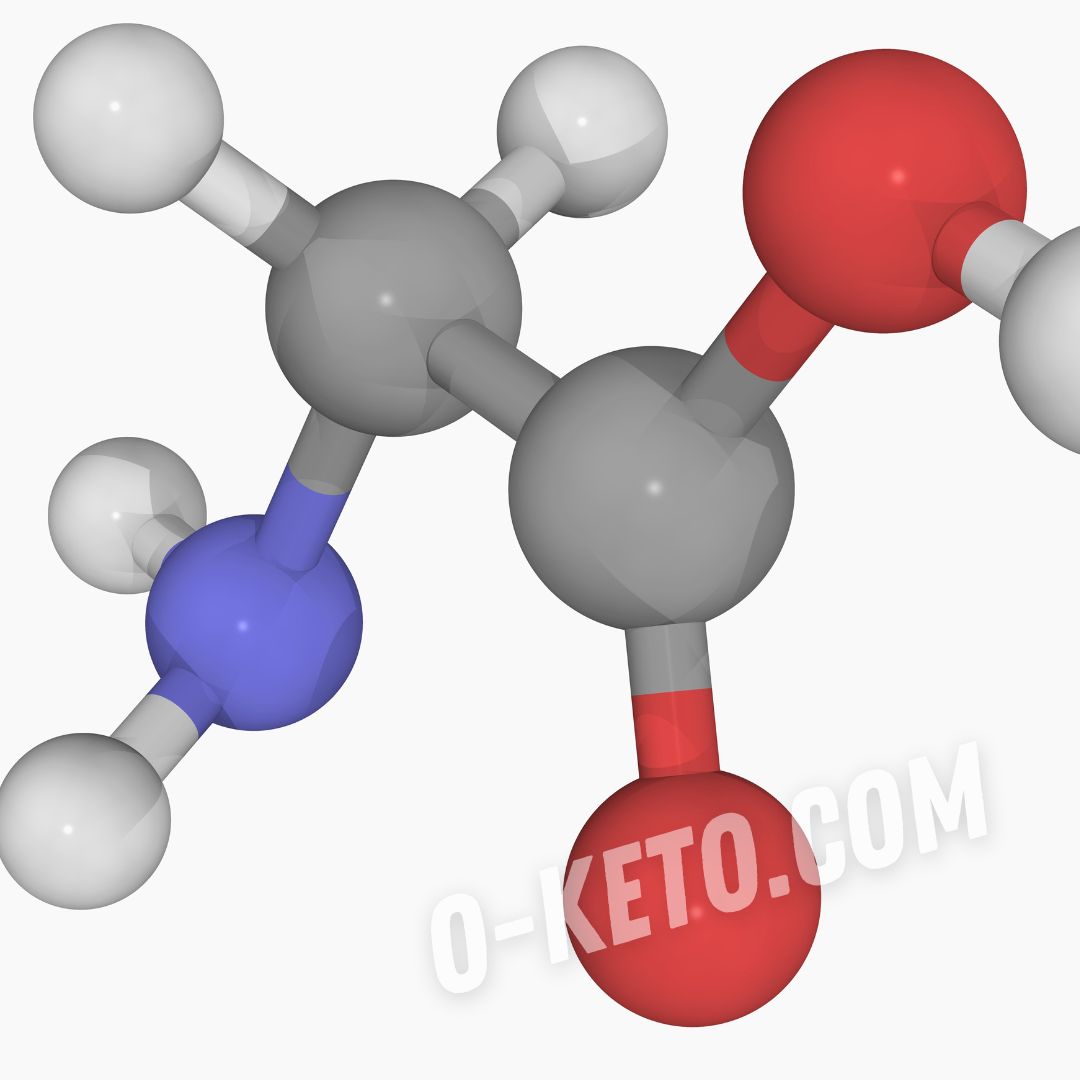

Glycine — the simplest amino acid that plays an important role in the functioning of the central nervous system, protein synthesis, as well as in the production of the antioxidant glutathione and the energy compound creatine.
It has a calming effect, helps improve sleep, and participates in detoxification processes.
Although glycine is synthesized in the body, additional intake from food or supplements can be beneficial during stress, physical exertion, and sleep disturbances.
Health Benefits
Glycine performs many functions in the body:
- regulates the activity of the nervous system, acting as an inhibitory neurotransmitter;
- promotes relaxation, reduces anxiety, and improves sleep quality;
- participates in the synthesis of creatine and glutathione — key compounds for energy and protection against oxidative stress;
- helps the liver in detoxification and reducing inflammation;
- supports joint and tissue health by participating in collagen synthesis.
Daily Requirement and Sources
The recommended intake of glycine for an adult is 3–5 g per day. With high physical loads, in older adults, and athletes, the requirement may increase to 7–10 g.
Glycine is found in:
- meat: beef, chicken, turkey;
- fish and seafood;
- gelatin, bone broths, collagen supplements;
- eggs and dairy products;
- some legumes and seeds.
Possible forms and their absorption
Nutrient forms are listed from best to worst:
Symptoms and Consequences of Deficiency
A lack of glycine may be accompanied by the following manifestations:
- decreased sleep quality, insomnia;
- increased anxiety and irritability;
- reduced concentration and mental performance;
- disruption of detoxification and accumulation of toxins;
- decreased tissue elasticity, worsening of joint and skin condition.
Glycine deficiency is more often seen in cases of protein starvation, chronic stress, and metabolic disorders.
Possible Risks of Excess and Their Manifestations
Excessive consumption of glycine (more than 10 g per day) may cause:
- drowsiness and lethargy due to sedative effects;
- digestive disorders — nausea, bloating, diarrhea;
- amino acid imbalance, including decreased levels of serine and alanine;
- individual intolerance with symptoms of weakness or headache.
Side effects are more commonly observed with prolonged use of high doses without medical supervision.
Why glycine stands out
Glycine is part of proteins and is especially abundant in collagen. This makes it relevant for connective tissue, skin, tendons, ligaments, and joint structures. It also participates in the synthesis of glutathione and creatine, and in the nervous system it can act as an inhibitory signaling molecule.
In keto and LCHF, glycine often comes from meat, fish, gelatin, bone broth, and collagen supplements. This can be a useful balance in a diet high in muscle meat and low in connective tissue. But collagen and gelatin are not complete replacements for meat, fish, eggs, or dairy proteins, because their essential amino acid profile is limited.
Practical use
Glycine is sometimes used in the evening because some people find it more compatible with sleep and relaxation. The response is individual: for some it fits well, while others notice no clear effect or feel unusual sensations. It should be judged by a repeatable personal response, not by supplement promises.
With kidney or liver disease, marked sleep problems, anxiety, sedative medication use, or a complex neurological history, individual amino acids are best discussed with a specialist. Poor recovery also calls for checking total protein, magnesium, electrolytes, sleep, and training load.