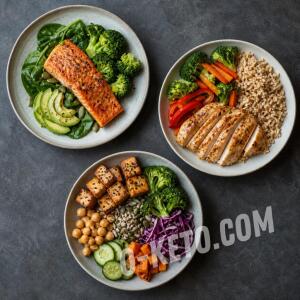
Collagen is often discussed as a supplement for skin, joints, and ligaments, but in real life, it starts not with a can of powder, but with regular food. The problem is that many try to find it where there is almost none: in lean fillets, dry protein desserts, or a random assortment of “healthy” foods. Collagen amino acids are best derived from dishes that use bones, skin, tendons, cartilage, and connective tissue, as well as from gelatin and collagen powder, if they are well tolerated.
At the same time, it is important not to confuse two different questions. The first: which foods already contain a lot of collagen proteins or their derivatives. The second: does the body have all the conditions to synthesize its own collagen. For normal connective tissue metabolism, it is not enough to simply eat gelatin or make broth. A general abundance of protein, vitamin C, copper, normal digestion, and regular intake of amino acids are needed.
Why Food is More Important Than It Seems
When it comes to skin, tendons, fascia, ligaments, and cartilage, people often expect a quick effect from a single supplement. But connective tissue renews slowly. It needs not a one-time boost, but repeated nutrition: protein every day, sufficient caloric intake, normal absorption, and the absence of constant deficiencies. Therefore, food does not work like a magic button, but rather as a background on which the body can either build its own collagen or constantly economize on tissue repair.
From a practical standpoint, the dietary approach is also more sustainable. A cup of good bone broth, a portion of aspic, stewed tails, cheeks, fish with skin, or a gelatin dish provide not only amino acids but also a feeling of fullness, minerals from the overall diet, and often greater enjoyment from eating. This option is easier to maintain for weeks and months than a regimen where all hopes are placed solely on a powder.
Which Amino Acids Are Particularly Associated with Collagen
Collagen differs from regular muscle meat in its amino acid profile. It is particularly characterized by glycine, proline, and hydroxyproline. This is why gelatin, collagen powder, skin, joint parts, tails, and long-simmered broths are more closely related to the topic of collagen than lean chicken breast or beef tenderloin. Regular meat is still necessary because it helps to cover the overall protein and essential amino acids, but it is not the most concentrated source of collagen proteins by itself.
It is also useful to remember about balance. Collagen does not replace complete protein. It is lower in some essential amino acids and works better as a supplement to meat, fish, eggs, and other regular protein products rather than as a substitute. If a person has a low intake of complete protein in their diet, simply increasing gelatin or broth does not solve the problem of tissue repair.
Which Dishes Are Really Rich in Collagen

The most obvious food sources of collagen are usually found not in sports menus, but in traditional long-cooked dishes. These include bone broth, aspic, jellied dishes, braised tails, cheeks, meat on the bone, fish with skin, skin-on poultry dishes, as well as homemade sugar-free gelatin dishes. The more connective tissue in the recipe and the longer it softens in liquid, the higher the chance of obtaining the specific set of amino acids needed for collagen.
From a practical standpoint, the following options are particularly convenient:
- bone broth made from joint and collagen-rich parts;
- aspic and jellied dishes without starch and excess sugar;
- braised beef tails and cheeks;
- fish and poultry with skin, if well tolerated;
- sugar-free gelatin desserts and snacks;
- collagen powder as a dietary supplement when it’s hard to get enough from food.
If choosing between a beautiful lean steak and a plate of well-cooked aspic, the aspic is usually closer to the topic of collagen. This does not make the steak a bad product, but these dishes have different purposes. The steak is better for covering overall protein and iron needs, while aspic and broths often win in terms of collagen amino acids.
Why One Meat Is Not Equal to Collagen
This is one of the most common sources of confusion. People hear that collagen is related to animal protein and start to think that any piece of meat is equally beneficial in this regard. However, muscle meat and connective tissue are not the same. Beef tenderloin, chicken breast, or white fish fillet can be great products, but they are not as collagen-rich as skin, tails, joint parts, or gelatin.
Therefore, a good diet for skin, joints, and ligaments often looks mixed. It includes regular complete proteins and special collagen sources. This can be meat or fish as a base, plus broth, gelatin dishes, aspic, or occasional use of collagen powder. This approach is more physiological than trying to cover everything with one category of products.
Do You Need Gelatin and Collagen Powder
Gelatin and collagen powder can be a convenient addition, especially if a person does not like broths, rarely cooks tails and cheeks, or simply does not incorporate collagen-rich dishes into their regular diet. Gelatin has an advantage: it is straightforward in cooking and can be used in desserts, mousses, pâtés, jellies, and other sugar-free recipes. Collagen powder is more convenient when a neutral addition is needed in a drink or food.
However, it is best not to expect miracles from just one spoonful. If the overall diet is low in protein, there is a chronic deficiency of vitamin C, digestion is poor, or a person is constantly undernourished, the effect will be weaker. The supplement is convenient, but it works better on a good overall background, rather than as a substitute for it.
What Helps Synthesize Your Own Collagen
For the synthesis of your own collagen, the body needs not only glycine and proline but also the conditions for protein assembly. Vitamin C is particularly important: without it, the normal formation of collagen fibers is disrupted. A general abundance of complete protein is also necessary because connective tissue is not built from air. Additionally, copper, normal caloric intake, sufficient sleep, and the absence of constant inflammatory stress, which accelerates the depletion of resources for tissue repair, are important.
From a practical standpoint, this means a simple thing: if a person drinks collagen but eats little protein, fears fats, follows a too-restrictive diet, and is chronically sleep-deprived, the result is usually worse than that of someone who simply eats meat, fish, eggs, broths, berries, and greens consistently, and adds gelatin or collagen powder as needed. Connective tissue prefers not a single trendy product but a systematic approach.
How to Incorporate Collagen Dishes into Keto and LCHF
On keto and LCHF, it is usually even easier than on low-fat diets. Broths, tails, cheeks, aspic, fish with skin, and gelatin dishes fit well into a low-carb diet because they combine with a sufficient amount of fat and do not require sugar or starch. The main thing is to look not at the trendy label but at the composition of the specific dish: to ensure that there is no excess sugar in the aspic, no syrups in the sauces, and that gelatin desserts do not turn into regular sweets.
A convenient working option is not to try to eat something collagen-rich every hour but to include such dishes regularly throughout the week. For example, once make a good broth, prepare aspic or jelly separately, use fish with skin a couple of times, and have a simple dessert or drink with gelatin on hand. This routine provides more benefits than rare spontaneous attempts to “drink collagen in a course” without the rest of the diet.
Conclusion
It is best to obtain collagen from food not from random lean products, but from broths, jellies, aspics, stewed tails and cheeks, fish and poultry with skin, as well as from gelatin and collagen powder as a convenient supplement. At the same time, collagen itself does not replace complete protein: for skin, joints, and ligaments, a sufficient overall intake of protein, vitamin C, and proper absorption is necessary. The most reliable approach is to combine regular protein-rich foods with regular collagen dishes, rather than relying solely on one supplement.
Sources
- Dietary Reference Intakes for Energy, Carbohydrate, Fiber, Fat, Fatty Acids, Cholesterol, Protein, and Amino Acids — National Academies of Sciences, Engineering, and Medicine
- Vitamin C — Fact Sheet for Health Professionals, National Institutes of Health Office of Dietary Supplements
- Effects of Collagen Supplements on Skin Aging: A Systematic Review and Meta-Analysis of Randomized Controlled Trials
- Effect of collagen supplementation on knee osteoarthritis: an updated systematic review and meta-analysis of randomised controlled trials
- Impact of Collagen Peptide Supplementation in Combination with Long-Term Physical Training on Strength, Musculotendinous Remodeling, Functional Recovery, and Body Composition in Healthy Adults: A Systematic Review with Meta-analysis