


Osteoarthritis
Osteoarthritis is a chronic joint disorder involving cartilage, bone and surrounding tissues in which body weight, muscles, loading, pain and function matter at least as much as the X-ray image itself.
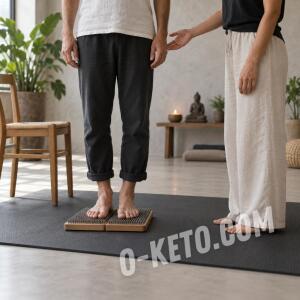



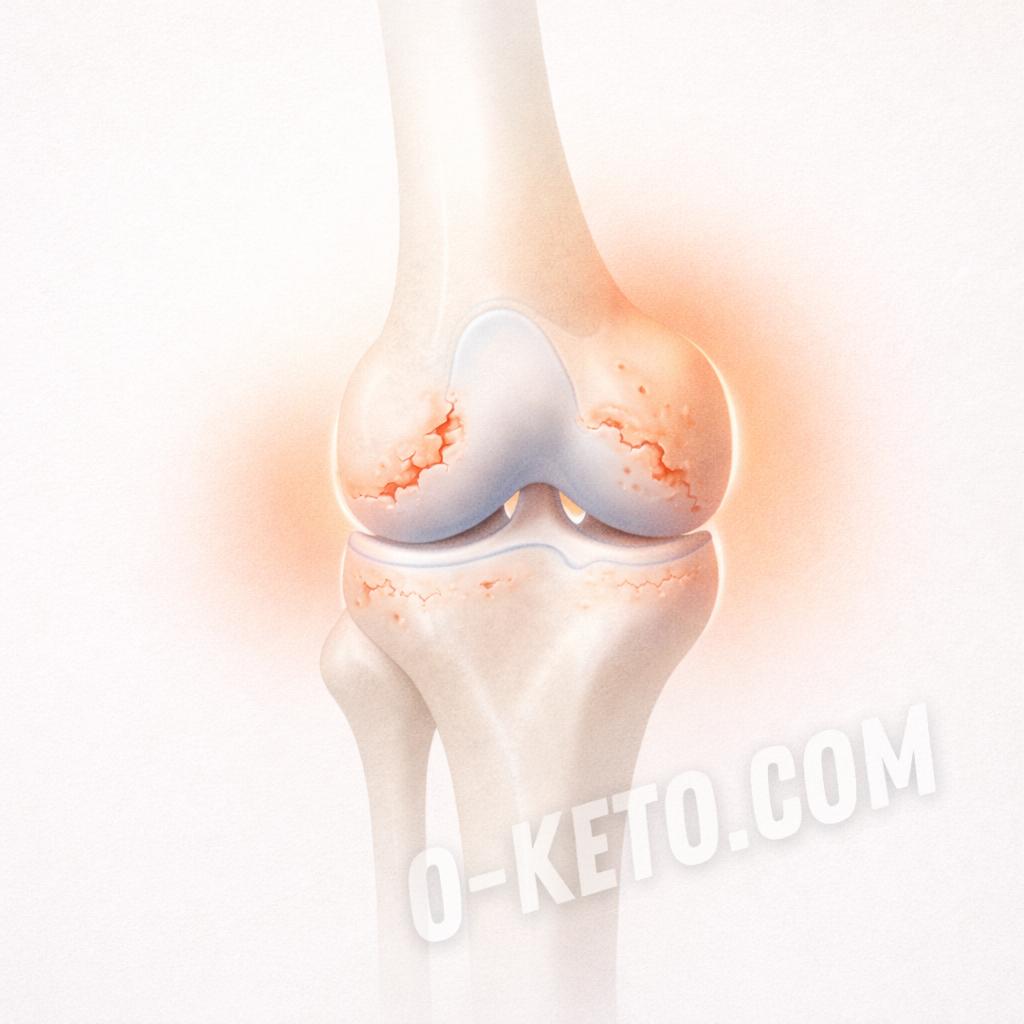
Osteoarthritis is a chronic joint disorder in which not only cartilage changes over time, but also the underlying bone, capsule, synovial tissues, ligaments and surrounding muscle function. In everyday speech it is often reduced to “wear and tear,” yet real-life symptoms depend on much more than age alone. Pain, stiffness, loss of movement and declining function are shaped by body weight, prior injury, activity pattern, muscle strength and general resilience. This is why osteoarthritis should never be understood only as an imaging label without asking how the person actually moves and lives.
Why the joint becomes painful and less efficient
As osteoarthritis develops, the joint surfaces distribute load differently, shock absorption changes and muscle control around the joint often becomes less effective. The result may be movement pain, stiffness after rest, crepitus, faster fatigue and loss of confidence in walking or standing. Some people mainly struggle with knees or hips, others with hands or spine. The clinical meaning of osteoarthritis therefore lies not only in the picture on an X-ray, but in how difficult ordinary walking, stairs or daily tasks have become.
In many cases pain is amplified not by catastrophic destruction, but by the combination of overload, weaker muscles, excess weight and fear of movement.
What most strongly affects the course
Important influences include body weight, previous injury, repetitive mechanical stress, inactivity, poor sleep, weak thigh or gluteal muscles and general deconditioning. People often avoid movement because of pain, but complete avoidance can make the joint even less stable and less tolerant. Good management usually tries to reduce overload while preserving controlled movement rather than choosing between total rest and harmful overexertion.
Osteoarthritis does not eliminate the need for rest during flares, but it also should not be reduced to the idea of moving less and less forever.
Nutrition and body weight
Food does not magically rebuild cartilage, but excess body weight, especially with large weight-bearing joints, increases mechanical load and often worsens pain. Even moderate weight reduction can improve tolerance of walking and function in some people. Adequate protein and overall nutrition also matter because muscles help stabilize and unload the joint.
A low-carbohydrate approach may help some people if it makes overeating and body-weight control easier, but the benefit comes from sustainable load reduction rather than from the label of the diet itself.
Why pain control alone is not enough
In osteoarthritis it is important not only to suppress pain temporarily, but to preserve function. Therapeutic exercise, muscle strength, gait pattern, footwear, daily load and sometimes supportive devices all matter. When treatment revolves only around painkillers without attention to movement and weight, the longer-term effect is often limited.
The most useful question is therefore not only “what relieves pain today,” but also “what helps this joint function better over the next months and years.”
When closer assessment is needed
Closer review is needed with major swelling, joint instability, sudden worsening, marked loss of function, trauma or suspicion of inflammatory arthritis. In those situations it is important not to explain everything automatically as “ordinary osteoarthritis” if the clinical pattern has changed.
The most sensible view is to treat osteoarthritis as a chronic disorder of joint function in which pain, weight, muscles, movement and loading habits matter at least as much as the structural changes themselves.
Common mistakes with osteoarthritis
A frequent mistake in osteoarthritis is choosing between two extremes: either protecting the joint so much that movement almost disappears, or pushing through overload in the hope of “working the pain out.” Both approaches can worsen function. It is also misleading to judge the condition only by imaging while ignoring sleep, body weight, muscle strength and real walking tolerance. Some people have modest structural change but severe pain because of deconditioning and fear of movement, whereas others have more visible degeneration with a more tolerable daily pattern. In practice the goal is usually not one miracle remedy, but a better balance of load reduction, controlled movement and preserved everyday activity without constant flare-ups after normal tasks.
If you have any questions about the term "Osteoarthritis", you can ask them to AI. Please note, a low-cost OpenAI model is used. It may answer questions about disease treatment with errors!


 1 / 4
1 / 4
 1 / 4
1 / 4 1 / 4
1 / 4


 1 / 4
1 / 4