


Antioxidant protection of the body is not just one supplement or one “super antioxidant.” It is a system that constantly neutralizes excess reactive oxygen species, helps cells recover after stress, supports the functioning of mitochondria, the liver, the immune system, and mucous membranes.
The main molecule in this system is glutathione. However, maintaining its level is often more reasonable not through a direct race for the “strongest antioxidant,” but through normal protein, amino acids, sulfur-containing foods, selenium, vitamin C, sleep, stable sugar levels, and reducing chronic inflammation.
What is oxidative stress
Reactive oxygen species are constantly formed in the body. This is a normal part of the functioning of mitochondria, immune defense, detoxification, physical exertion, and inflammatory response. The problem arises not from the mere fact of their formation, but from an imbalance: the number of free radicals exceeds what the antioxidant system can neutralize.
This imbalance is called oxidative stress. It can be exacerbated by chronic sleep deprivation, high sugar levels, smoking, alcohol consumption, protein deficiency, micronutrient deficiencies, excess ultra-processed foods, chronic inflammation, and excessive load without recovery.
In practice, it is important to understand that antioxidant protection is not about completely suppressing oxidative reactions. They are necessary for immunity, adaptation to training, and cellular signaling. The goal is not to turn off “oxidation,” but to help the body maintain balance.
Why is glutathione called the central antioxidant
Glutathione is a small peptide that the body synthesizes itself. It participates in the reduction of oxidized molecules, the functioning of detoxification enzymes, the protection of cell membranes, the regulation of inflammatory signals, and the support of immune cells.
The peculiarity of glutathione is that it does not work in isolation. It is linked with selenium-dependent enzymes, vitamin C, sulfur-containing amino acids, liver detoxification pathways, and the energy state of the cell. Therefore, low antioxidant resilience is rarely attributed to a single factor.
Simplified, the system looks like this:
- The cell encounters an oxidative stimulus: stress, inflammation, toxins, high sugar, or active mitochondrial work;
- Glutathione helps neutralize excess reactive molecules;
- After its work, it transitions to an oxidized form;
- Enzymatic systems return it to an active state;
- This requires protein, amino acids, selenium, energy, and normal metabolism.
What the body makes glutathione from
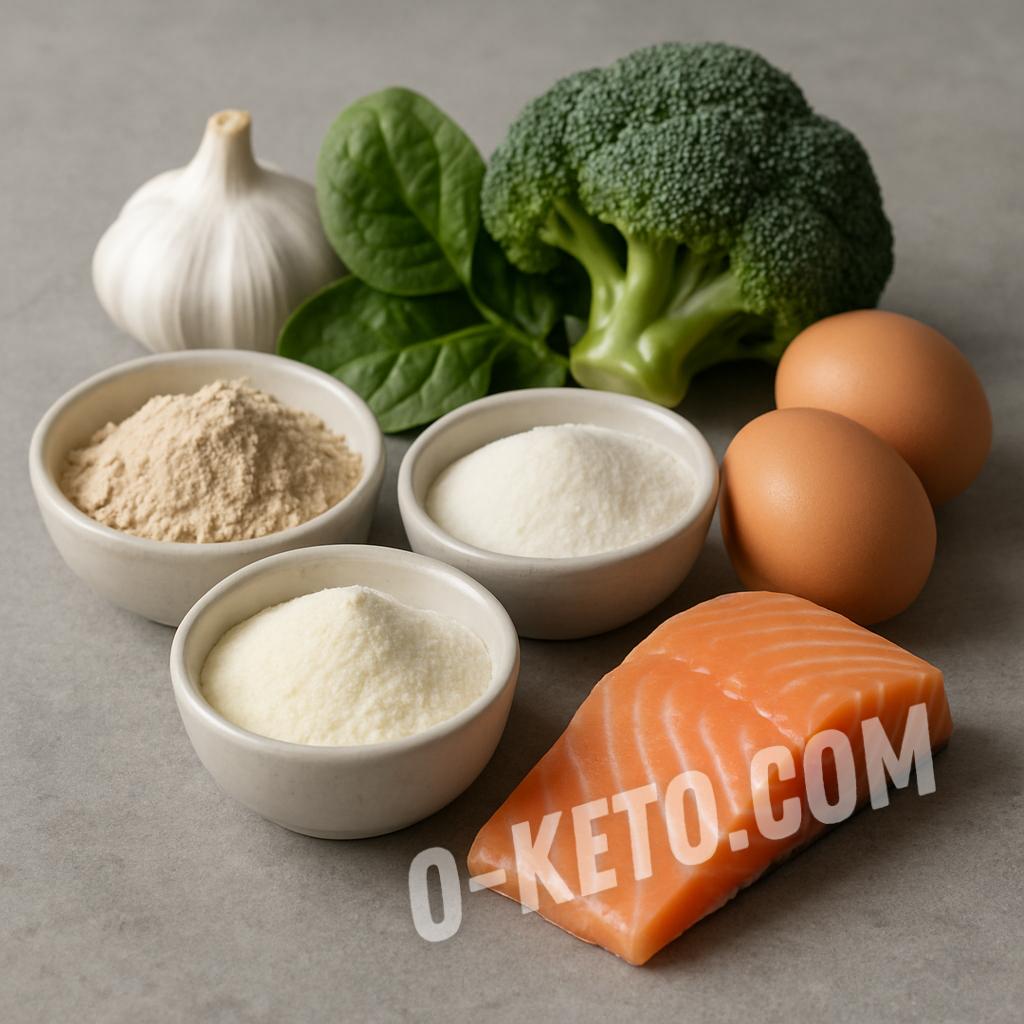
Glutathione consists of three amino acids: glutamic acid, cysteine, and glycine. Therefore, the question of supporting glutathione starts with protein nutrition, not just capsules.
| component | why it’s needed | food sources |
| cysteine | often a limiting factor for glutathione synthesis | eggs, meat, fish, poultry, whey protein, sulfur-containing foods |
| glycine | involved in the structure of glutathione and important for connective tissue, sleep, and recovery | gelatin, collagen, bone broths, meat with connective tissue |
| glutamic acid | one of the three building blocks of glutathione | protein products, meat, fish, eggs, fermented foods |
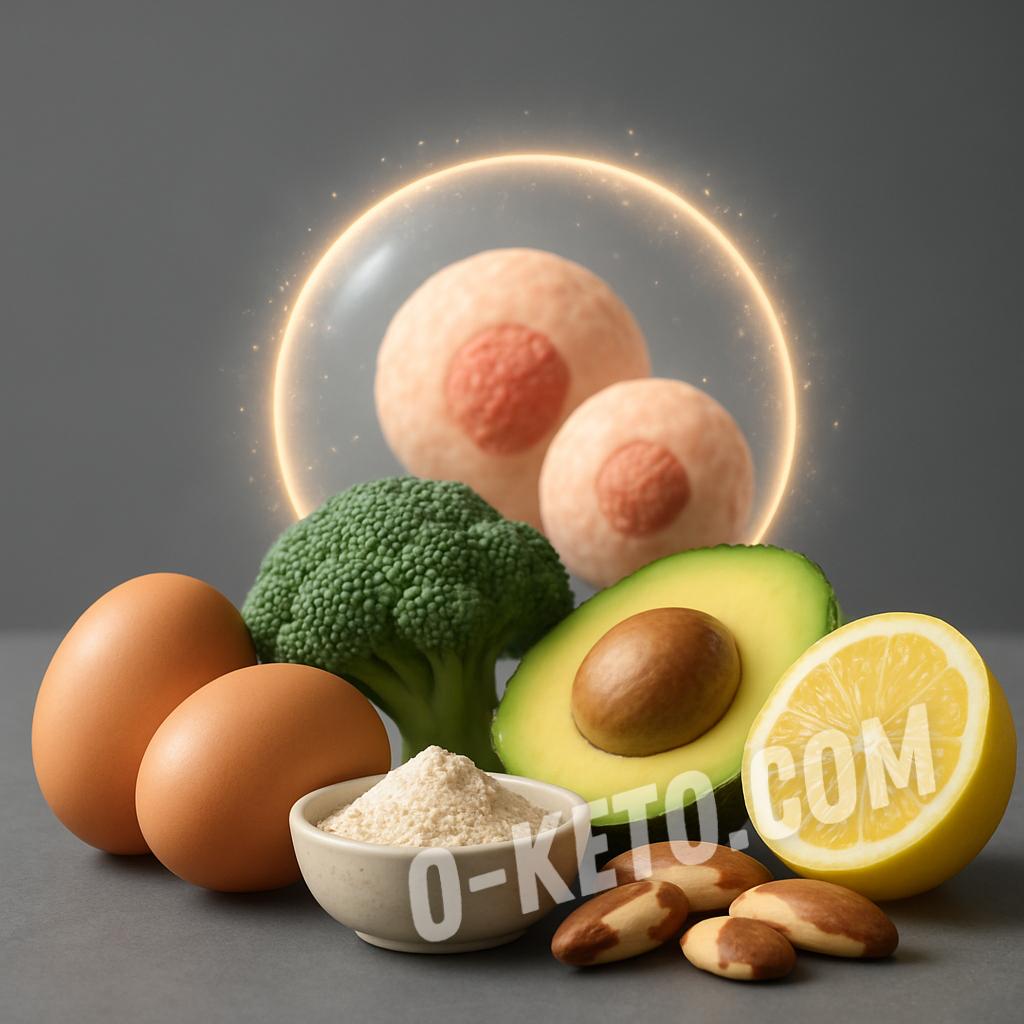
| selenium | needed for the functioning of glutathione peroxidase | fish, seafood, eggs, Brazil nuts |
If the diet is low in protein, low in sulfur-containing amino acids, or there are digestive and absorption issues, the body may struggle to support its own synthesis of glutathione even with the presence of “antioxidant” supplements.
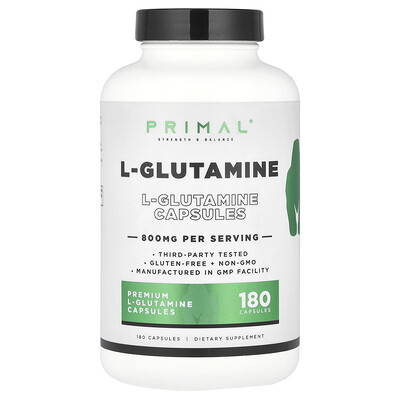
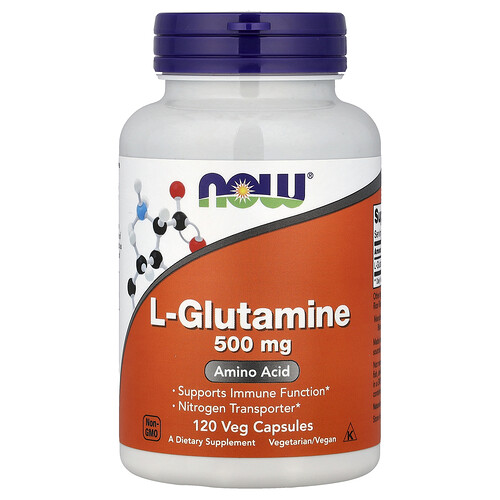
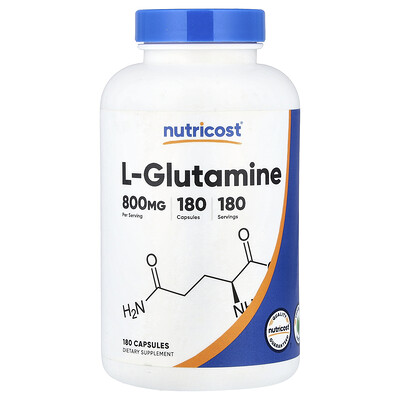
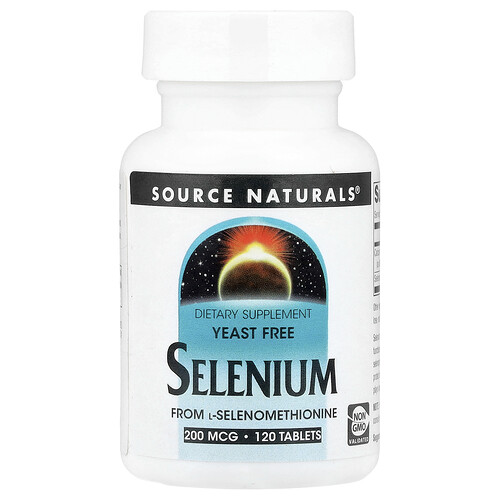
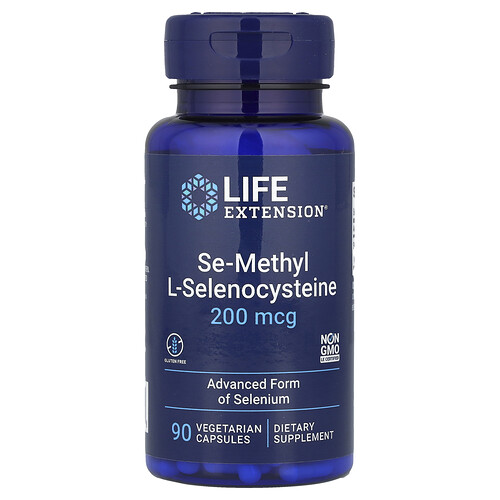
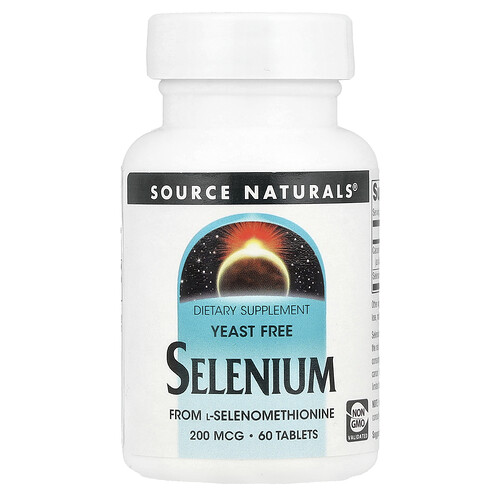
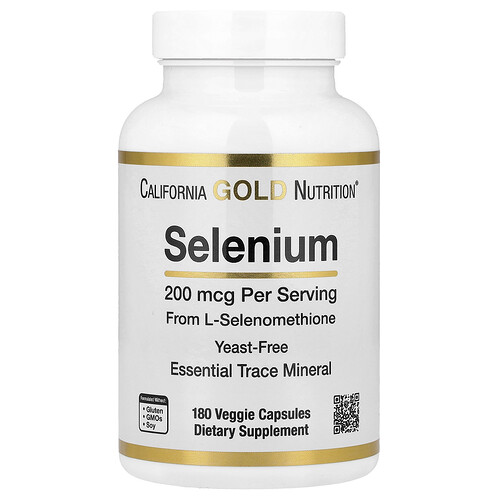
What supplements are most often used for the antioxidant system
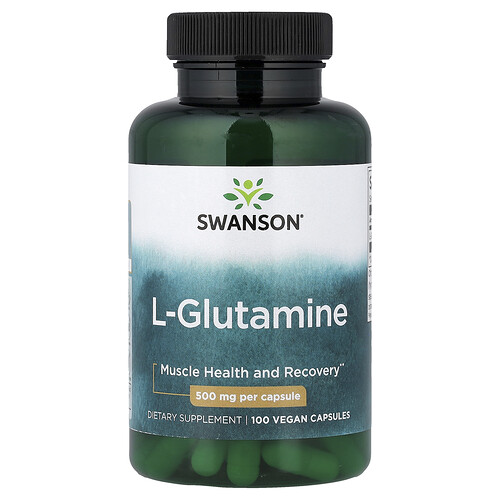
Once it is clear what the body builds glutathione from, it becomes easier to understand supplements. They should not be viewed as interchangeable “antioxidants.” Some provide raw materials for glutathione synthesis, others help fill protein deficiencies, some support enzymatic systems, and some work more as auxiliary tools in specific situations.
The main groups of supplements can be divided as follows:
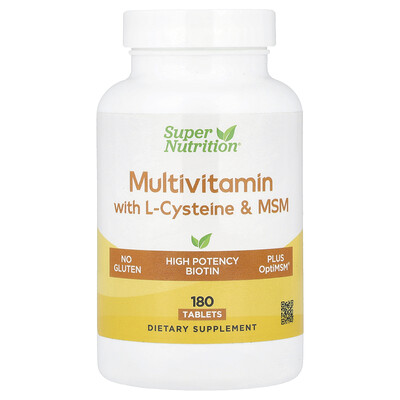
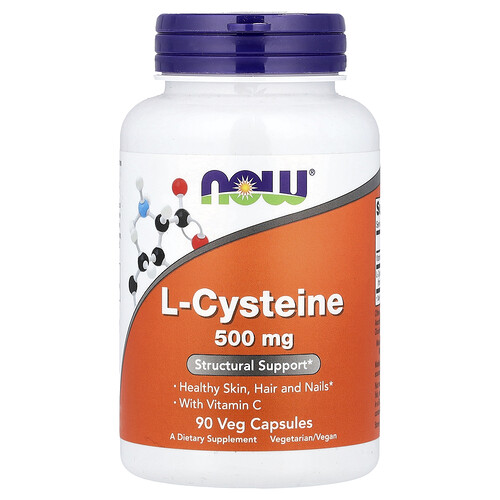
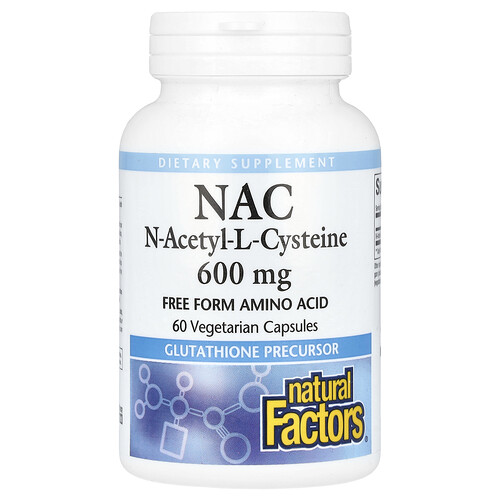
- NAC — a source of cysteine, one of the key building blocks of glutathione;
- whey protein — a convenient source of complete protein and sulfur-containing amino acids;
- glycine or collagen sources — support for the second important building block of glutathione and connective tissue;
- selenium — a mineral for the functioning of glutathione peroxidase, one of the important antioxidant enzymes;
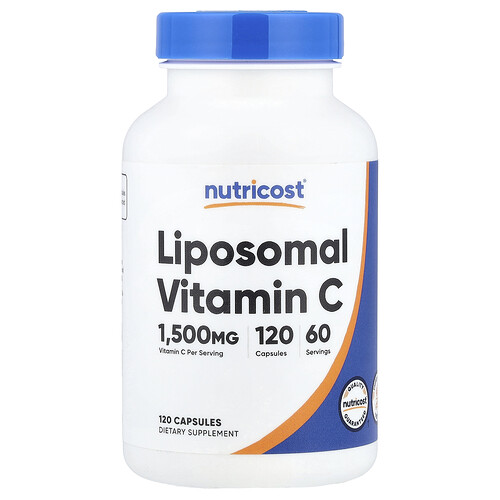
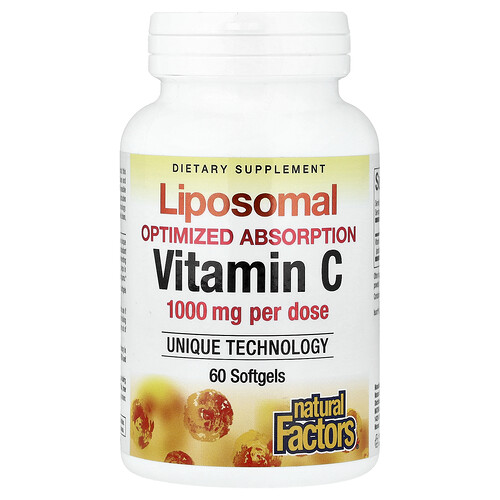
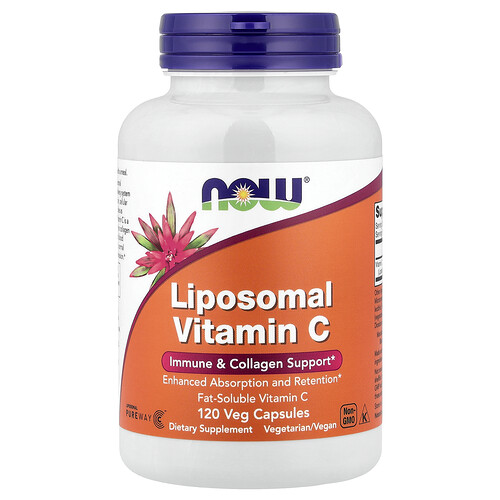
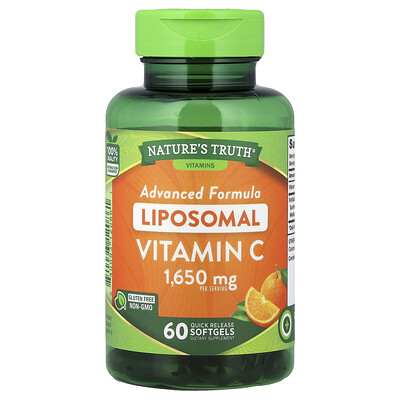
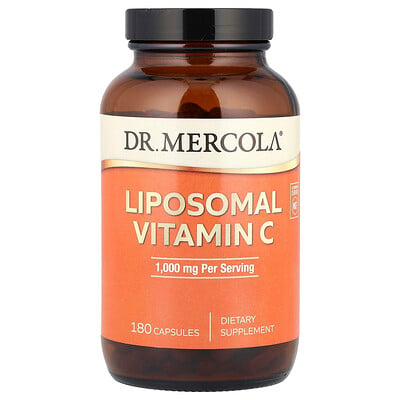
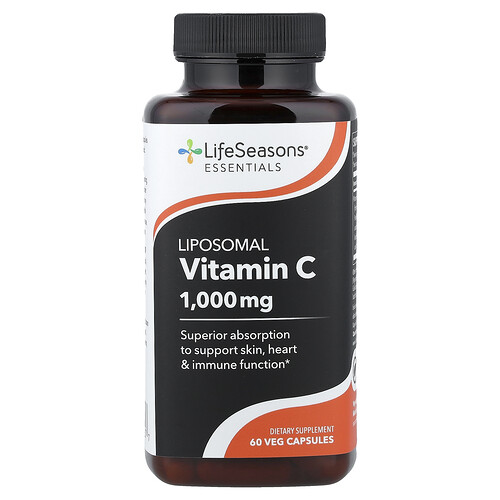
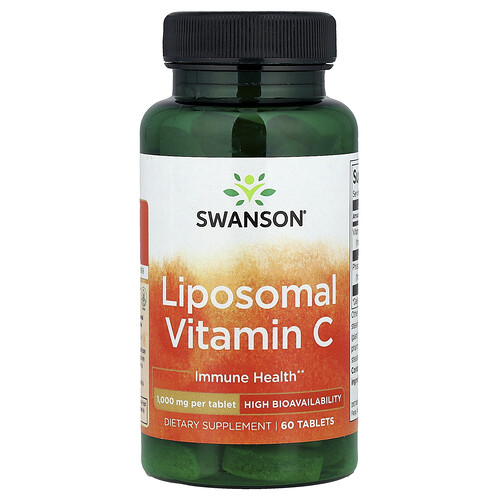
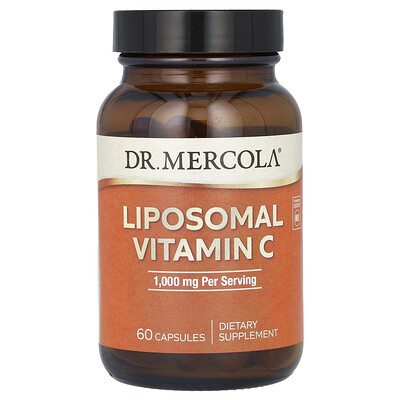
- vitamin C — a water-soluble antioxidant that is linked to the regeneration of other antioxidant systems;
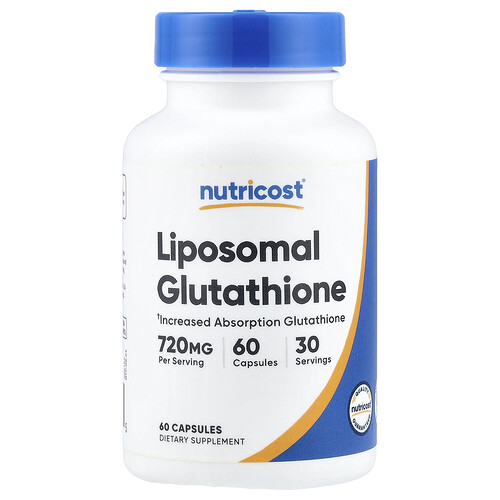
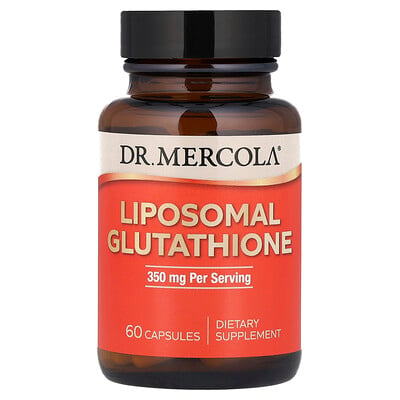
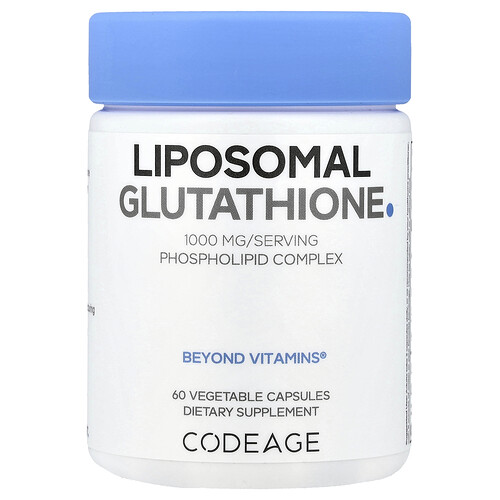
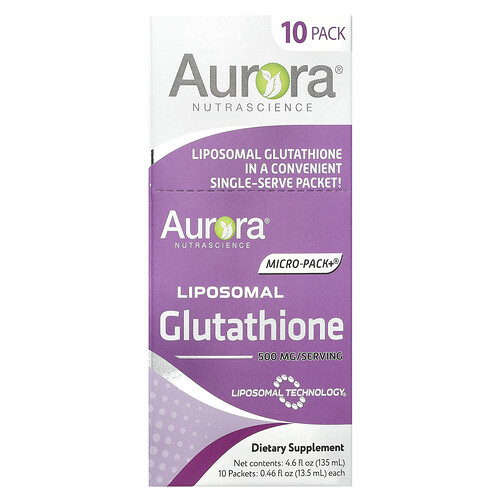
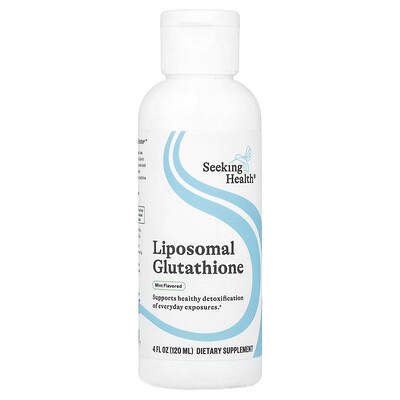
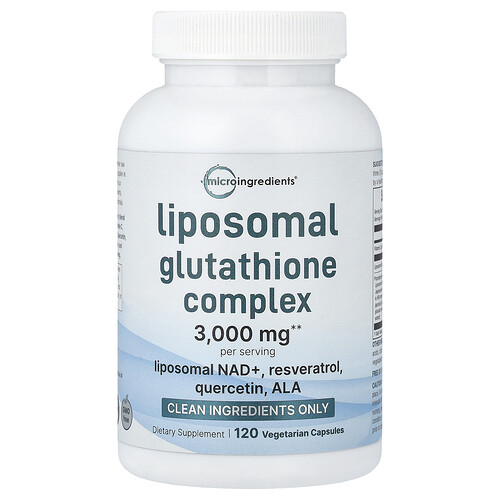
- glutathione itself — a direct option for support, but not always the main one and not always the most logical first step.
Therefore, it is important to look not only at the name of the supplement but also at the task. If there is a protein deficiency, it makes sense to start with nutrition or protein. If there are insufficient sulfur-containing amino acids, NAC may be discussed. If the diet is low in selenium, the enzymatic part of the antioxidant system will function worse without it. And if the cause of oxidative stress is high sugar, alcohol, lack of sleep, or chronic inflammation, supplements will be a secondary tool.
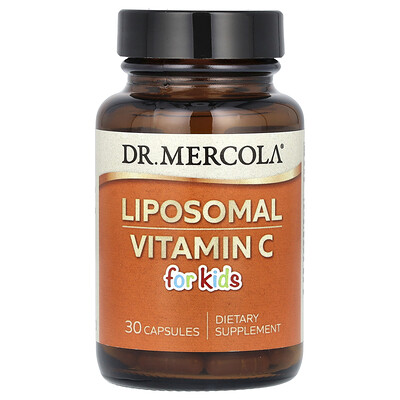
How NAC is related to glutathione
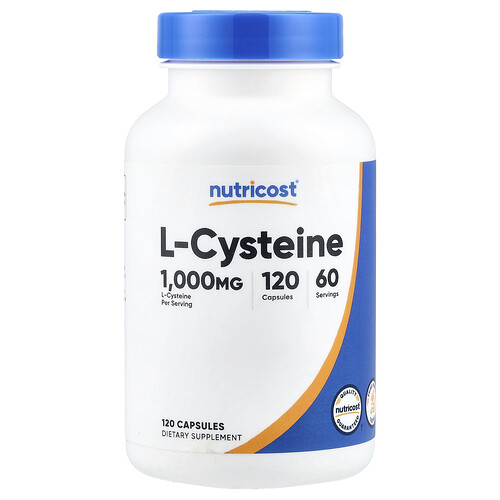
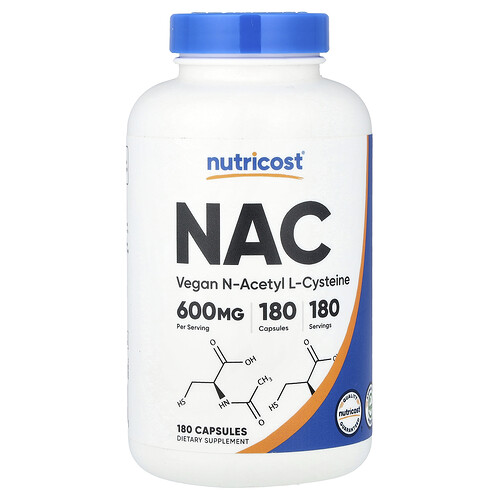
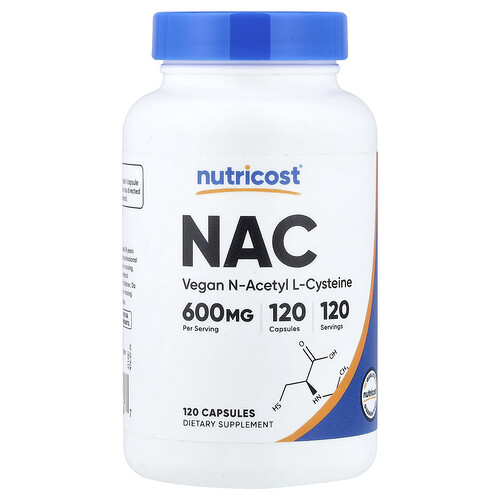
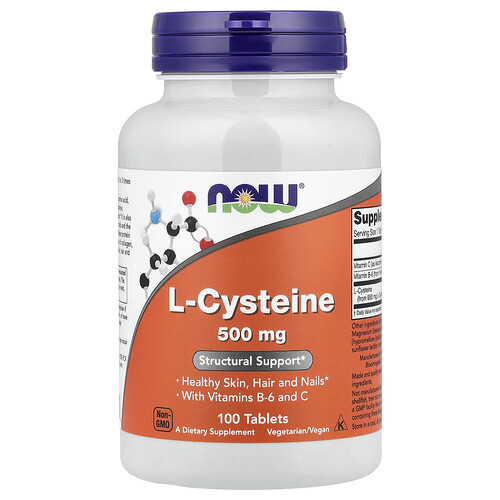
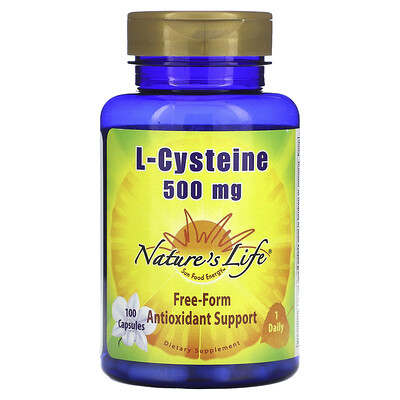
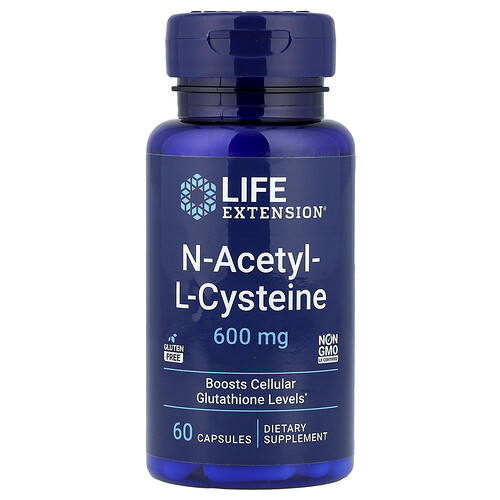
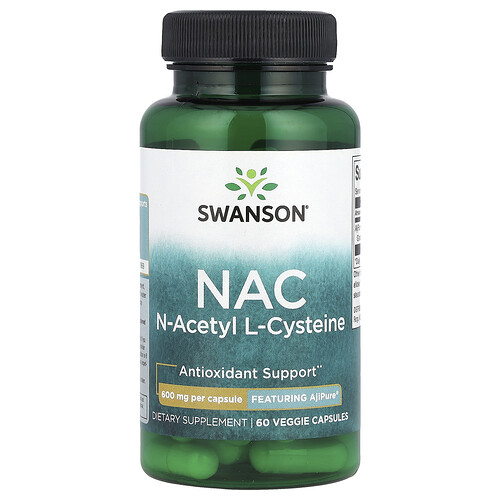
NAC, or N-acetylcysteine, is a form of cysteine. It is often discussed precisely because cysteine can be a limiting component for glutathione synthesis. In this sense, NAC does not work as a magic pill but as a donor of raw materials for one of the key amino acids.
NAC also has medicinal applications; for example, it is used in medicine for acetaminophen overdose and as a mucolytic agent. But this does not mean that it should be taken indiscriminately by everyone “for detox” or “for immunity.” The supplement has dosages, tolerability, drug interactions, and situations where a doctor is needed.
When NAC should be discussed with caution:
- when taking anticoagulants, antiplatelets, and other medications affecting blood clotting;
- in bronchial asthma, chronic respiratory diseases, and a tendency to bronchospasm;
- during pregnancy, lactation, and chronic liver or kidney diseases;
- in cancer diseases and during antitumor treatment, where any antioxidant supplements need to be coordinated with a doctor.
The practical conclusion is simple: NAC can be a tool for supporting the glutathione system, but it does not replace protein, sleep, nutrition, blood sugar control, and treatment of the real causes of oxidative stress.
Why whey protein is needed
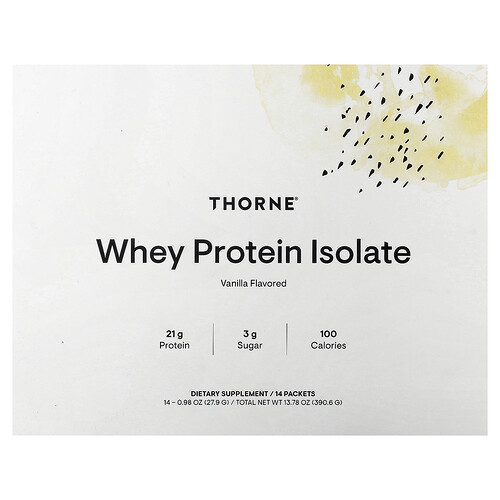
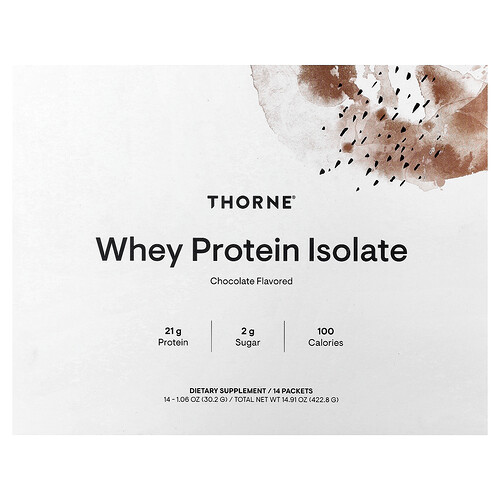
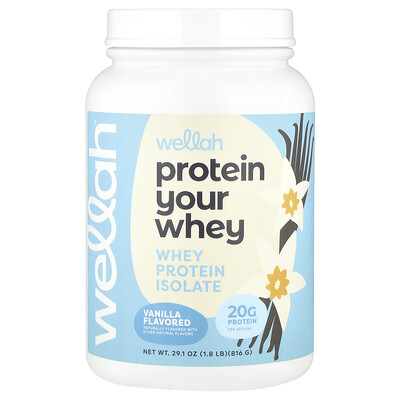
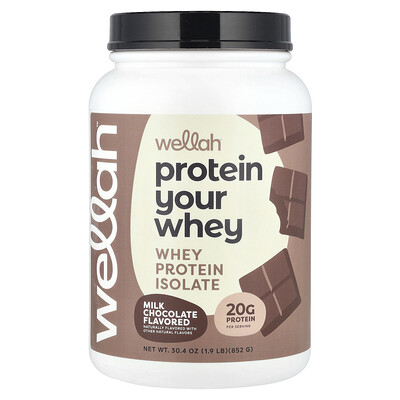
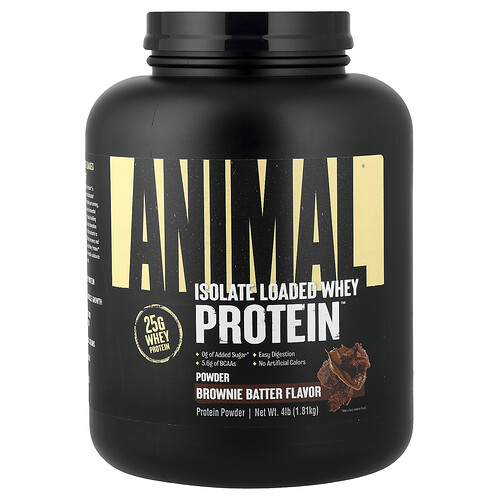
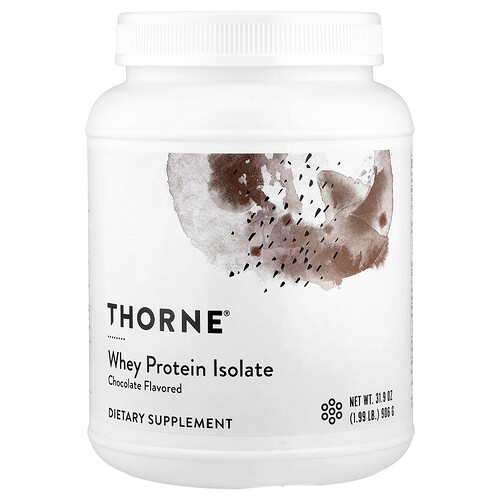
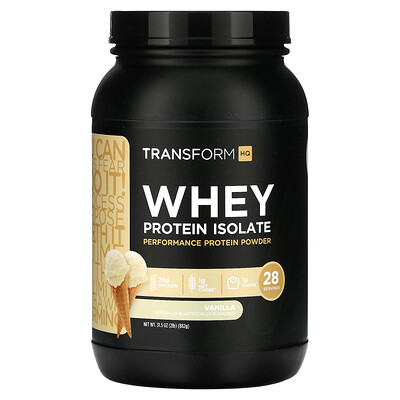
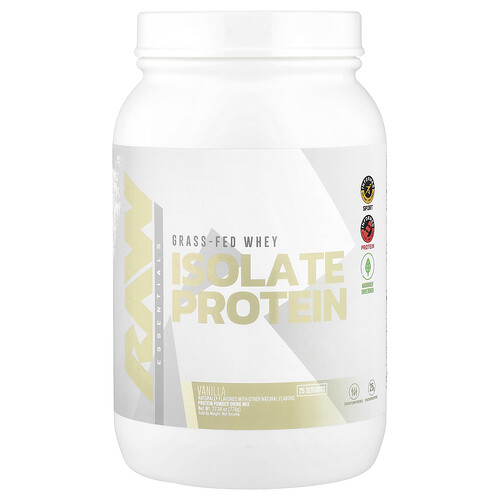
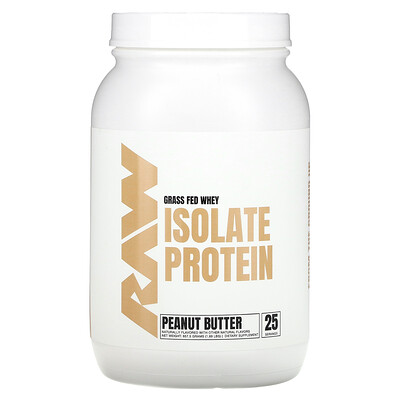
Whey protein is interesting not only as a sports product. It is rich in amino acids, well absorbed, and can be a convenient source of cysteine for people who find it difficult to get enough protein from regular food.
This does not mean that whey is essential for everyone. If a person normally eats eggs, fish, meat, poultry, cottage cheese, or other protein products, a separate protein may not be needed. But in a low-protein diet, with reduced appetite, increased recovery needs, or limited time, it can be a practical solution.
When choosing whey protein, it is worth looking at several things:
- clear composition without sugar, maltodextrin, and unnecessary sweet mixtures;
- sufficient amount of protein per serving;
- lactose and dairy protein tolerability;
- absence of aggressive overheating and strange rancid taste;
- the appropriate form: concentrate, isolate, or hydrolysate depending on tolerability and goal.

Why antioxidants from pills do not replace the system
The body does not operate on the principle of “the more antioxidants, the better.” Too blunt suppression of oxidative signals can hinder normal adaptation to training, immune responses, and cellular communication. Therefore, the strategy of megadosing individual antioxidants is often worse than supporting the whole system.
A more physiological approach includes several levels:
- sufficient protein as a source of amino acids for glutathione and enzymes;
- selenium, zinc, magnesium, B vitamins, and vitamin C as participants in enzymatic systems;
- low glycemic load so that excess sugar does not exacerbate oxidative stress;
- sleep and recovery, as chronic stress increases the need for antioxidant protection;
- whole foods instead of a constant stream of industrial food, alcohol, and overheated oils.
What is especially important on keto and LCHF
Keto and LCHF can help reduce glycemic load, but the quality of the diet still matters a lot. If a low-carb diet is based on sausages, mayonnaise sauces, frying in overheated oil, and a deficiency of vegetables, the antioxidant system does not receive proper support.
A more successful keto logic looks like this:
- sufficient protein in each main meal;
- eggs, fish, meat, offal, and seafood as sources of amino acids and minerals;
- cruciferous vegetables, greens, garlic, and onions with good tolerability;
- olive oil, butter, and other stable fats instead of regular frying in refined seed oils;
- control of alcohol, sleep, and chronic stress.
When to look for the cause, not just the supplement
If a person constantly feels tired, recovers poorly, often gets sick, poorly tolerates stress, or shows signs of chronic inflammation, a supplement with NAC or glutathione should not be the only answer. Sometimes the problem lies in protein deficiency, anemia, sleep disturbances, hyperglycemia, vitamin D deficiency, thyroid issues, chronic infection, gastrointestinal inflammation, or alcohol overload.
In such situations, it is more beneficial to assess the broader picture: nutrition, sleep, stress levels, total protein, ferritin, vitamin D, glucose and insulin, inflammation markers, liver function, and real complaints. Then antioxidant support becomes part of the strategy, not an attempt to cover everything with one bottle.
Conclusion
Supporting the body’s antioxidant protection means helping its own glutathione system, enzymes, and recovery to function normally. For this, protein, cysteine, glycine, glutamic acid, selenium, vitamin C, stable sugar levels, sleep, and reducing chronic load are important.
NAC, whey protein, and glutathione can be useful tools in the right context, but they do not replace the foundation. The more resilient the nutrition, recovery, and metabolism, the less one has to rely on an individual “antioxidant,” and the better the body manages its oxidative balance.
Sources
- Glutathione: Overview of its protective roles, measurement, and biosynthesis
- Glutathione Synthesis
- Selenium: Health Professional Fact Sheet
- Acetylcysteine (N-acetylcysteine, NAC) for the WHO Model List of Essential Medicines
- Antioxidant Supplementation and Adaptive Response to Training: A Systematic Review
- Food-Based Antioxidant Nutrition for Exercise Recovery and Training Adaptation: A Narrative Review and Conceptual Framework for Redox Signaling, Dietary Matrices, and Periodized Application