
After making cheese at home, a noticeable amount of whey often remains in the pot, and that is the moment when many people are unsure what to do next. Some pour it away immediately, assuming it is useless liquid. Others try to drink large glasses of it as if it were nearly free protein. Both reactions are too blunt. Whey after cheesemaking can absolutely be useful, but only if you understand what kind of whey it is, how much lactose it still contains, how quickly it spoils, and which kitchen uses actually make sense.
The most practical way to think about whey is as a by-product that can still function as an ingredient. It is not a full protein replacement and it does not automatically become a health drink. But when used correctly, it can reduce waste, add gentle acidity and moisture, and sometimes even give you one more dairy product from the same milk batch.
What remains in whey after cheesemaking
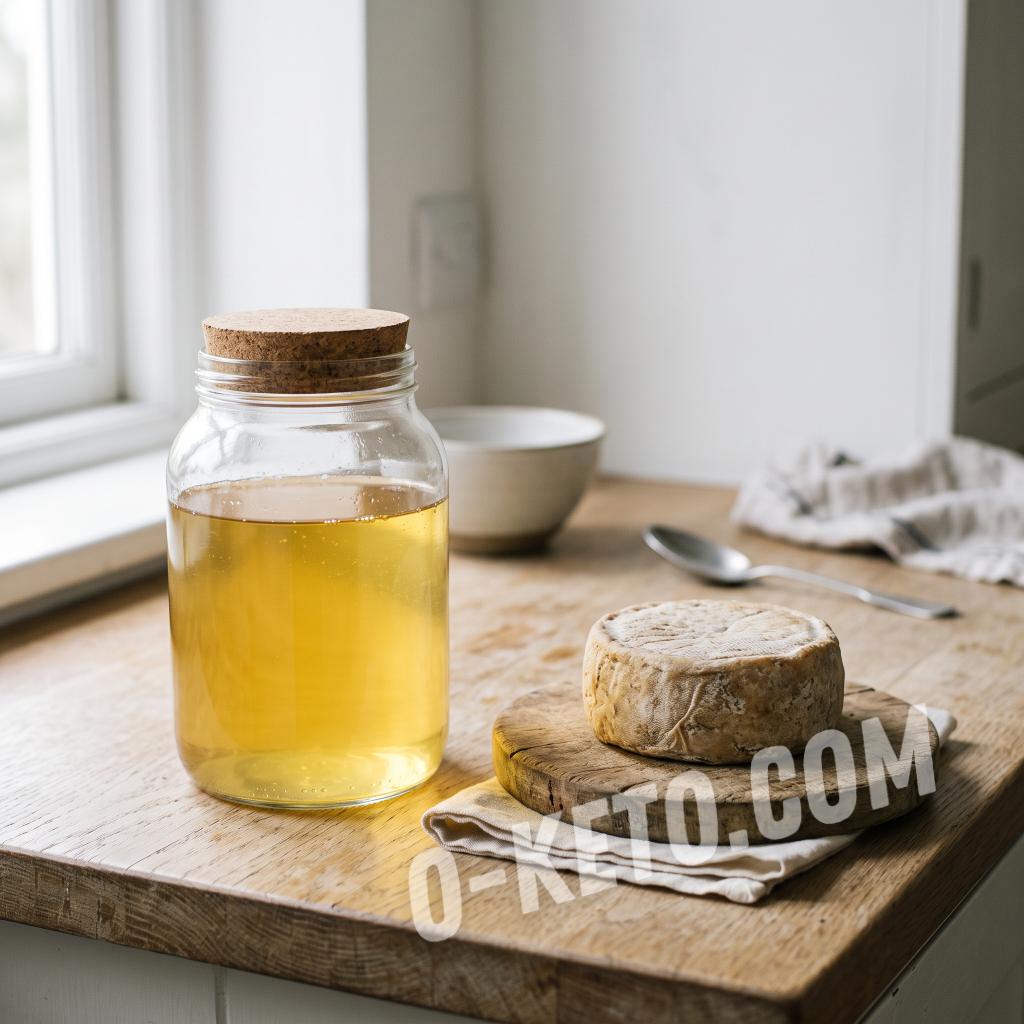
When milk proteins gather into curd, part of the liquid separates out as whey. That liquid still contains water, lactose, minerals, a little protein, and other soluble milk components. The exact composition depends on what kind of cheese you made and how coagulation happened.
If the cheese was rennet-based, the whey is usually milder and less sharply acidic. If the product was made through acid coagulation, such as cottage-cheese-style curd or some fresh cheeses, the whey is often tangier and more assertive. That difference matters because the two types do not always behave equally well in the same recipes.
Why whey should not always be thrown away immediately
Whey is not just empty water. It still carries flavor, milk acidity, lactose, and soluble components that may be useful in cooking. This is especially relevant in home cheesemaking, where it makes sense to get as much practical value as possible from one milk batch.
At the same time, whey should not be overestimated. It is not a concentrated protein product and not a universal health drink without limits. For strict keto, whey is usually more useful as a small technical addition than as a large standalone drink. Once that becomes clear, it is easier to use whey sensibly without either wasting it or romanticizing it.
When whey can become another cheese
One of the most interesting options is to see whether some residual whey proteins can still be recovered from it. In some cases, reheating under the right conditions allows a soft whey cheese similar in logic to ricotta to form. This is especially relevant after certain rennet cheeses, where the liquid may still contain a meaningful protein fraction.
Not every whey batch works equally well for this. If the proteins are already mostly gone, the yield will be modest. But the idea itself is useful: whey is sometimes not the end of the process, but another stage of using the same milk more completely.
How to use whey in the kitchen
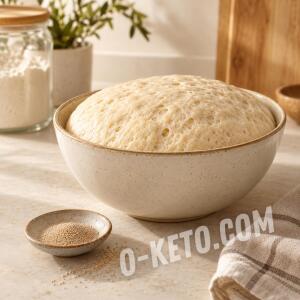
The most practical approach is to use whey in working portions rather than by the liter. It suits tasks where liquid, a gentle dairy tang, and a small structural effect are helpful. That can include savory doughs, pancakes, certain low-carb flatbreads, marinades, and sauces.
This matters especially in low-carb cooking. A modest amount of whey may improve texture and moisture without dramatically changing the meal. But if used casually and in large volume, lactose accumulates faster than many people expect from such a light-tasting liquid.
Marinades, soups, and sauces
Whey can work well in marinades for meat and poultry when you want mild acidity without relying on vinegar. It can also be part of the liquid phase in some soups and sauces where a slight cultured-milk note makes sense. The important point is not to replace all liquid automatically, but to use whey as a supporting ingredient.
The more acidic the whey is, the more carefully it should be dosed in such uses. Tangy whey from acid-curd production behaves differently from the gentler whey left after a rennet cheese. If that difference is ignored, the flavor of the dish may become sharper than planned.
Fermentation and preserved foods
Whey is sometimes used as a starter element in certain home fermentation projects. That can work, but only when the specific method actually calls for it. Whey is not a magical universal ferment booster for every jar of vegetables.
It may be helpful in some recipes where a small lactic push is genuinely useful. But for stable vegetable fermentation, simple control of salt, temperature, and cleanliness is often more important than pouring whey into everything for the sake of “extra probiotics.”
Can whey be used as a drink
It can, but that is not always the best use. For many people, a large serving of whey brings more lactose than expected and may trigger bloating, rumbling, or looser stool. That matters even more on lower-carb eating patterns. However light whey may taste, it is not equivalent to water or broth.
That is why whey often works better as an ingredient than as a habitual beverage after every cheesemaking session. A small amount in a recipe is frequently more sensible than drinking large glasses of it only because it feels wasteful to discard it.
How to store whey properly
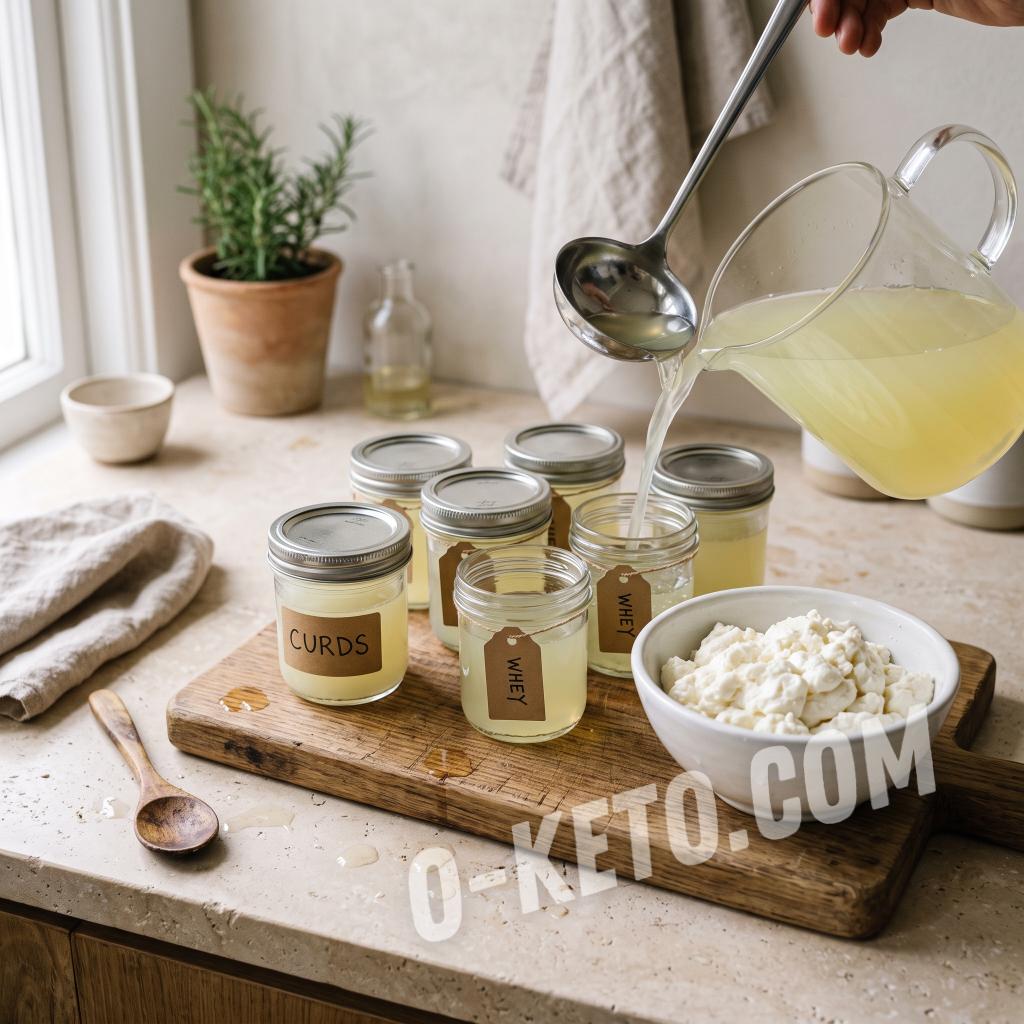
Whey spoils faster than many people assume. After cheesemaking, it should be cooled quickly and not left at room temperature for long. If you know the whole amount will not be used in the next day or two, it is usually smarter to divide it into small containers and freeze it in portions. That makes it easy to use 30 to 100 milliliters for a specific task without thawing a whole liter.
It is also helpful to label the whey by type: sweet whey from a rennet cheese or sour whey from a more acidic process. That difference strongly affects flavor and kitchen behavior. Any sign of spoilage, gas, mold, or slime is a good reason not to use it.
When whey is not worth saving
Sometimes the honest answer is that a particular batch is simply not needed. If you have too much whey, too little refrigerator space, and no realistic plan for using it, there is no value in forcing it into every recipe out of guilt. Useful use means intentional use, not waste avoidance at any cost.
The same is true for whey that has already aged too far. If it has passed a safe storage window, it is better to discard it than to rescue it out of false economy. In home cheesemaking, thrift should not outrun basic hygiene and judgment.
The most useful practical strategy
The best practical workflow is simple: after cheesemaking, decide what kind of whey you have, how much of it you realistically need, whether it can yield another product, and which small portions will go into doughs, marinades, or other kitchen uses. The rest is either frozen quickly or honestly discarded if there is no real plan.
That approach turns whey into neither trash nor a nutritional obsession. It becomes what it really is: a functional ingredient that can be valuable in the right context. That is usually the most reasonable home-kitchen logic of all.