
Chronic inflammation rarely feels like one single thing. A person may have no fever, no sharp pain, and no obvious infection, yet still deal with fatigue, swelling, heaviness after meals, poor recovery after exercise, joint discomfort, skin reactions, or the feeling that the body is constantly running “at high speed”.
What chronic inflammation is
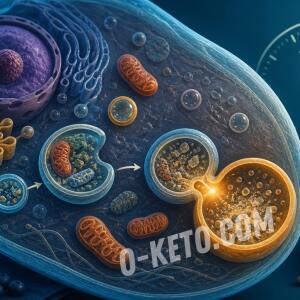
Inflammation itself is not the enemy. It is a normal protective reaction: the immune system turns on alarm signals to deal with infection, tissue damage, or toxic load. The problem begins when the inflammatory response does not fully switch off and becomes a background process.
With chronic inflammation, the body seems to keep defending itself even when there is no clear acute threat. Cytokines, oxidative stress, insulin resistance, adipose tissue, the intestinal barrier, the liver, the vascular endothelium, and the nervous system can all be involved. That is why chronic inflammation is often connected not with one product or one supplement, but with lifestyle as a whole.
The inflammatory background is most often supported by several factors at once:
- too much sugar, white flour, sweet drinks, and frequent glucose spikes;
- regular overeating and excess visceral fat;
- lack of sleep, night work, late caffeine, and disrupted circadian rhythm;
- deficiency of protein, Omega-3, magnesium, zinc, vitamin D, and other nutrients;
- low physical activity or, on the contrary, training without enough recovery;
- chronic stress, when cortisol and adrenaline become a constant background;
- gut problems, food tolerance issues, bile flow problems, and microbiome imbalance;
- smoking, alcohol, toxins, poor sleep quality, and constant nervous-system overload.
So the question “which supplement should I take for inflammation” is usually too narrow. A more accurate question is: what is supporting the inflammatory background in this particular person, and which levers can be used safely.
Why supplements do not work without a basic strategy
The effect of adaptogens is difficult to evaluate separately from nutrition, sleep, weight, medications, and overall health. If a person gets a lot of sugar every day, sleeps poorly, and lives under chronic stress, a supplement will be working against a strong opposing current.
A basic strategy for lowering inflammatory load looks like this:
- first stabilize glucose and insulin: remove sweet drinks, frequent snacks, excess flour, and sugar;
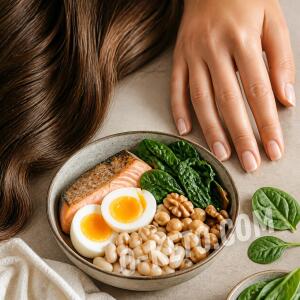
- then build protein and fats properly: add eggs, fish, meat, poultry, seafood, olive oil, avocado, and tolerated nuts;
- after that add vegetables, greens, spices, berries, and other sources of polyphenols;
- at the same time restore sleep, light exposure, walking, strength training, and periods of rest;
- only then choose supplements carefully, if there is a clear goal and no contraindications.
On keto and LCHF, this approach is especially logical: less sugar and starch, more stable glucose, lower glycemic load, and easier appetite control. But low-carb eating alone does not guarantee low inflammation if the diet is poor in vegetables, fiber, Omega-3, protein, and micronutrients.
Which plant compounds are often discussed in relation to inflammation
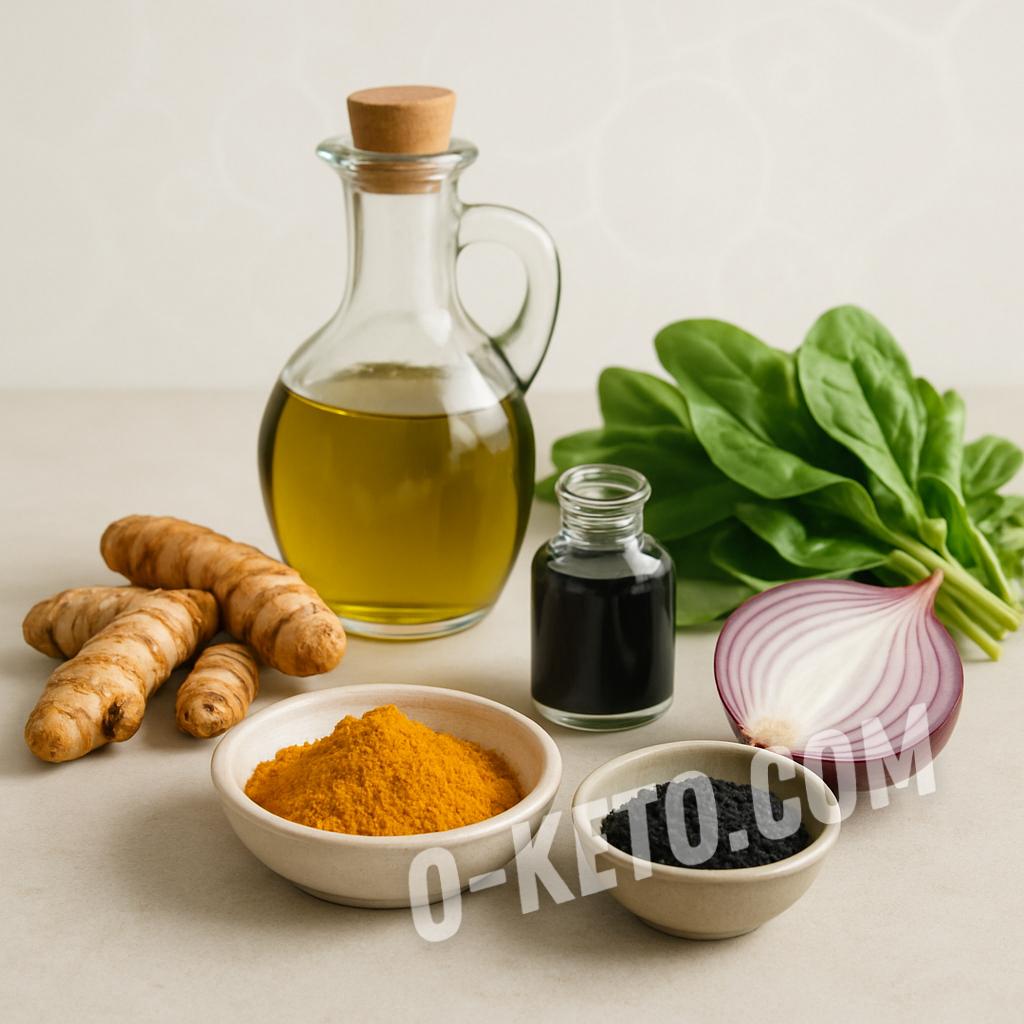
Once the basic strategy is clear, plant compounds are easier to understand. Curcumin, quercetin, black seed, and other botanicals are often discussed as anti-inflammatory. Strictly speaking, curcumin, quercetin, and black seed are not always classified as classic adaptogens. In this article, the word “adaptogens” is used in a broad everyday sense: natural plant compounds that may help the body handle inflammatory and oxidative load more smoothly. They are not medicines for inflammatory diseases and not a replacement for treatment, but part of a broader strategy that includes nutrition, sleep, movement, and recovery.
They should not be seen as a “button that switches inflammation off”. It is more accurate to treat them as additional tools that may support antioxidant systems, immune-response regulation, blood vessels, the liver, and cellular signaling pathways.
This article looks at three groups of compounds:
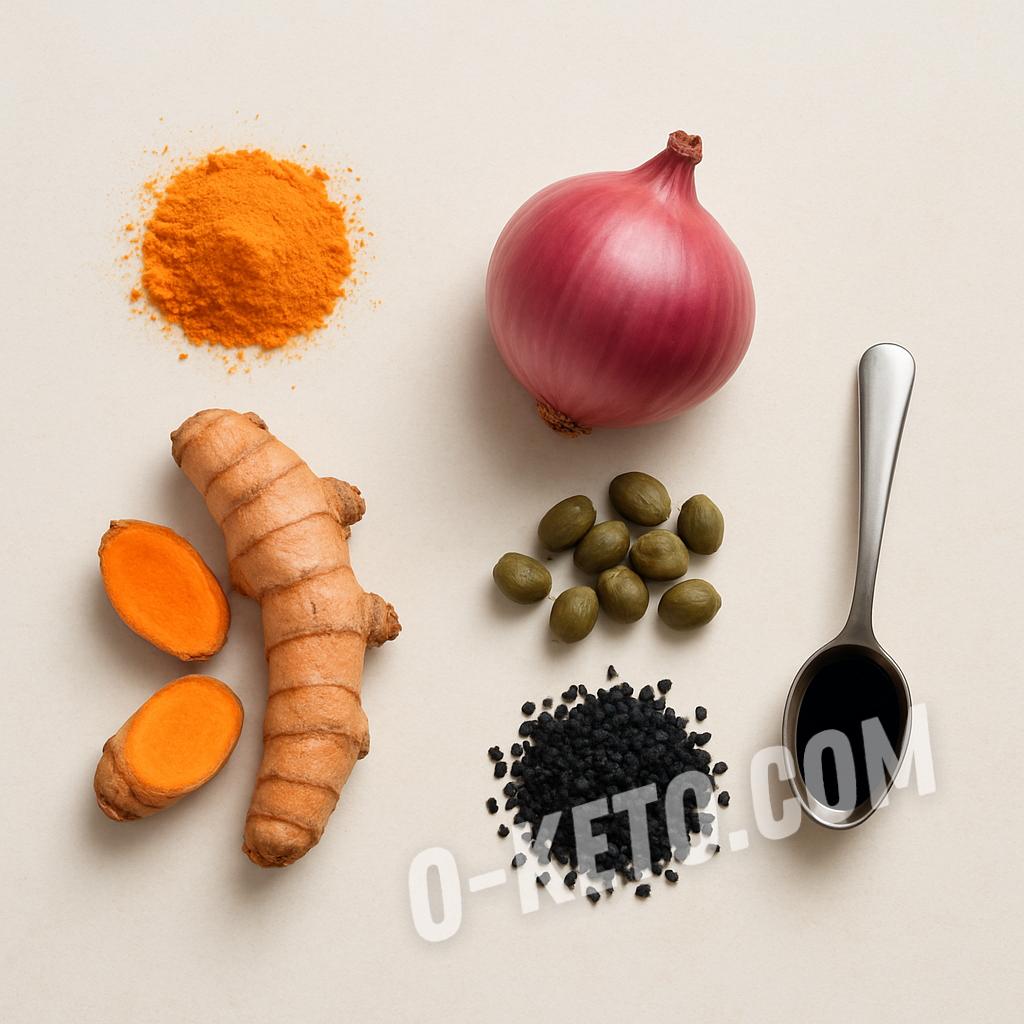
- curcumin from turmeric: one of the best-known plant compounds studied in the context of inflammatory signaling pathways;
- quercetin: a flavonoid from onions, capers, apples, berries, and greens, associated with antioxidant protection and mast-cell reactions;
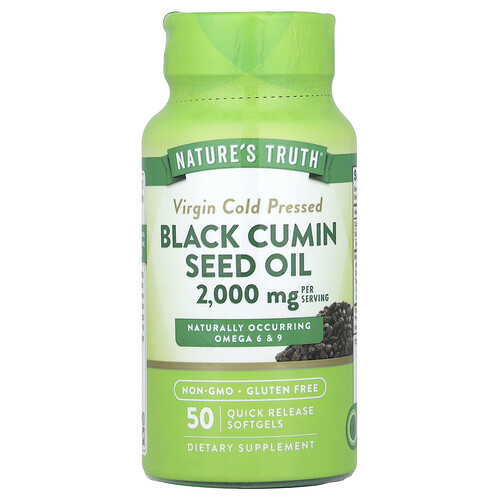
- black seed: Nigella sativa seeds and black seed oil, where thymoquinone is often described as the main active compound.
All three options share one advantage: they do not conflict with nutrition when used reasonably and in food amounts. But capsules introduce a different level of concentration, which means medications, the gallbladder, the liver, pregnancy, blood pressure, blood sugar, and blood clotting need more attention.
| component | what is studied | practical meaning | limitations |
| curcumin | NF-kB, COX-2, cytokines, oxidative stress | may be useful as part of anti-inflammatory eating, especially with fat and spices | low bioavailability, possible interactions, caution with gallbladder and liver problems |
| quercetin | antioxidant mechanisms, mast cells, vascular and immune signals | logical to get from food: onions, capers, apples, berries, greens | supplement effects depend on form and dose; interactions with medications are possible |
| black seed | thymoquinone, inflammatory mediators, oxidative stress | can be used as a spice or oil in small amounts | oil quality varies greatly; caution with medications for blood pressure, blood sugar, and clotting |
Curcumin: why turmeric is not the same as a capsule
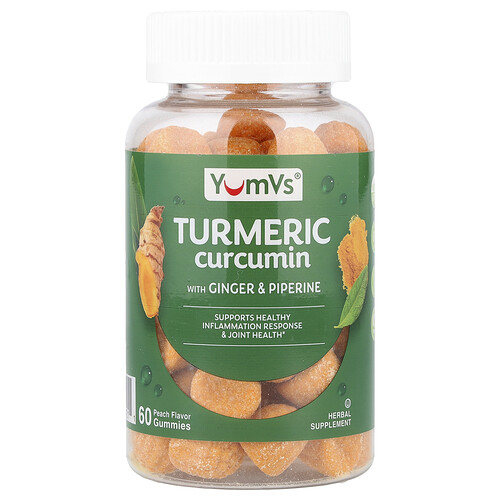
Curcumin is the bright yellow polyphenol from turmeric. It is studied because cellular and clinical research links it with inflammatory signaling pathways, oxidative stress, and the activity of some inflammatory enzymes. But there is an important practical detail: turmeric as a spice and concentrated curcumin in capsules are different things.
Turmeric in food usually provides a gentle culinary dose. It can be added to curry, soups, stewed vegetables, meat, fish, sauces with olive oil, or coconut milk. For keto, this is convenient: turmeric barely affects the carbohydrate load of a dish, while adding flavor, color, and polyphenols.
Curcumin has one weak point: low bioavailability. It dissolves poorly in water and is metabolized quickly. That is why it is often combined with fat, phospholipids, or piperine from black pepper. But better absorption is not only an advantage. If a substance is absorbed more strongly, it can potentially interact more strongly with medications and metabolism.
Practical ways to use turmeric look like this:
- add turmeric to dishes that contain fat: olive oil, butter, coconut milk, eggs, or fatty fish;
- combine it with black pepper in culinary amounts if there is no stomach irritation and no medication-related restriction;
- do not expect a therapeutic effect from a spice during an active inflammatory disease;
- be cautious with high-dose extracts, especially with gallstones, bile-flow problems, liver disease, or regular medication use.
Curcumin is better viewed not as an “antibiotic against inflammation”, but as one of many dietary polyphenols. It can complement the diet, but it does not replace finding the cause of inflammation.
Quercetin: a flavonoid from food, not only a supplement
Quercetin is one of the most common flavonoids in the diet. It is found in red and yellow onions, capers, apples, berries, kale, broccoli, greens, and tea. In the context of inflammation, it is discussed because of its antioxidant properties, its influence on cellular signaling pathways, and interest in mast-cell reactions.
Quercetin is easy to get from normal food. Red onion in a salad, capers with fish, a small amount of berries, greens, and vegetables in a low-carb diet provide not only quercetin, but also dozens of other polyphenols, fiber, potassium, magnesium, and vitamin C. In food, compounds work not in isolation, but as part of the food matrix.
If the goal is to support an anti-inflammatory diet, food sources of quercetin can be used like this:
- add red onion to salads, meat, fish, and eggs;
- use capers as a bright addition to fatty fish, poultry, and sauces;
- keep greens, kale, broccoli, and low-carb berries in the diet as tolerated;
- do not replace vegetables with capsules unless there is a specific reason to choose a supplement.
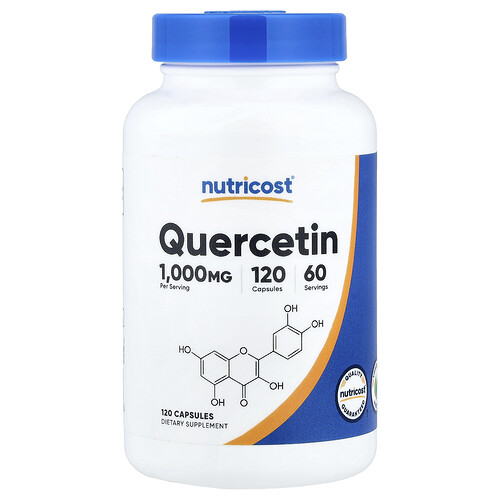
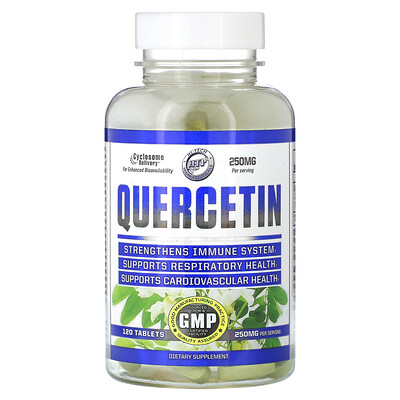
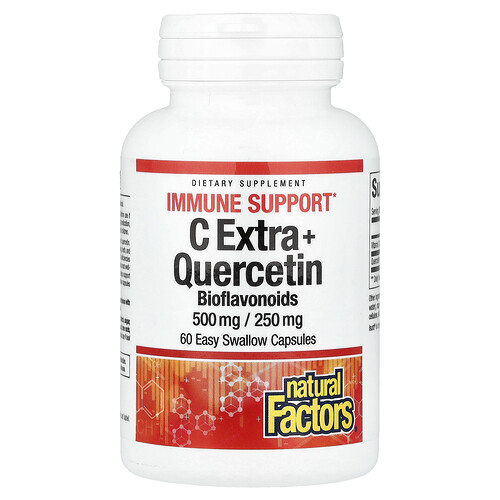
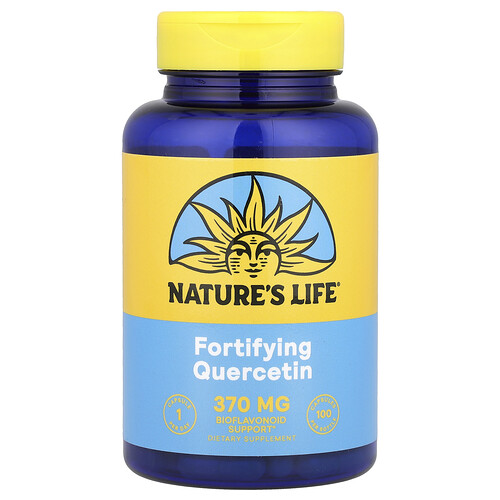
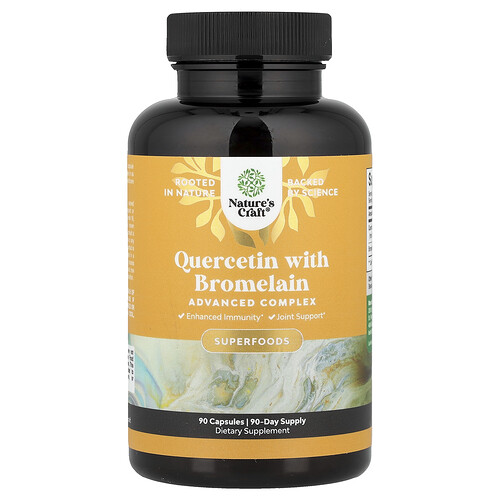
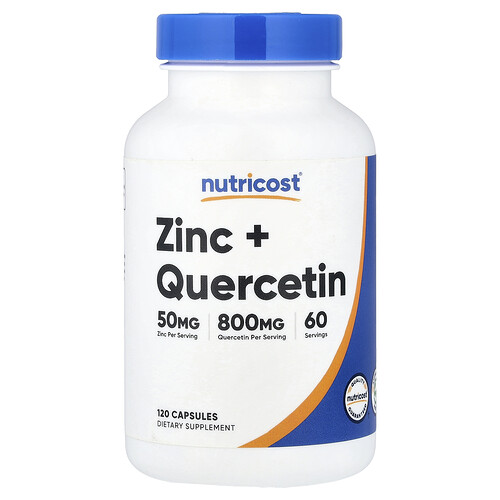
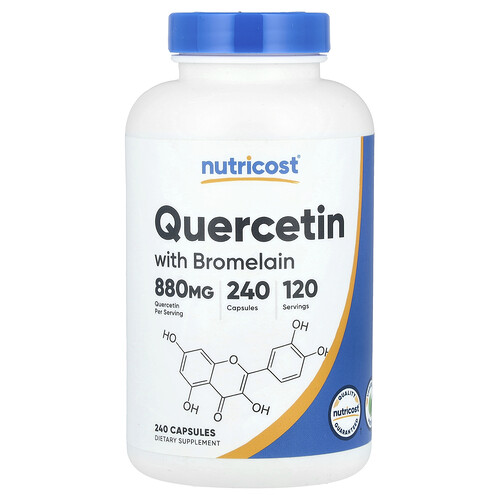
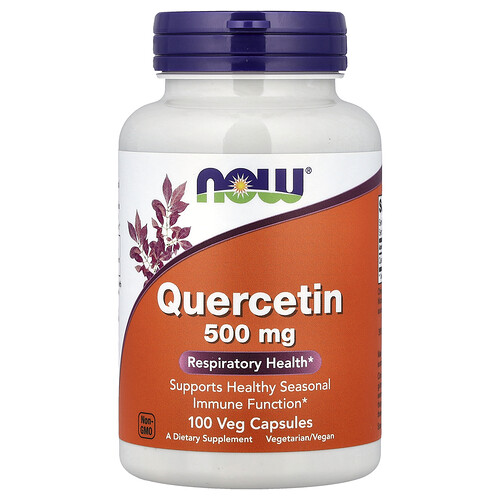
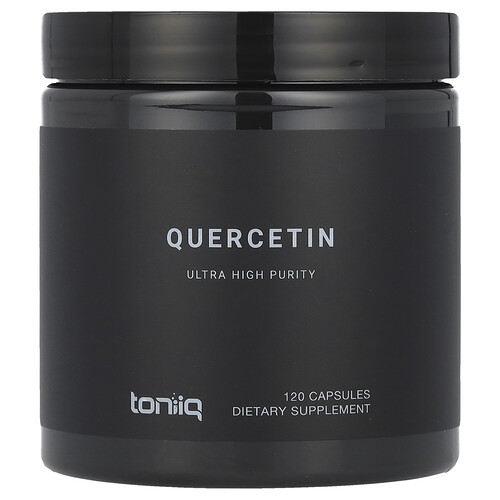
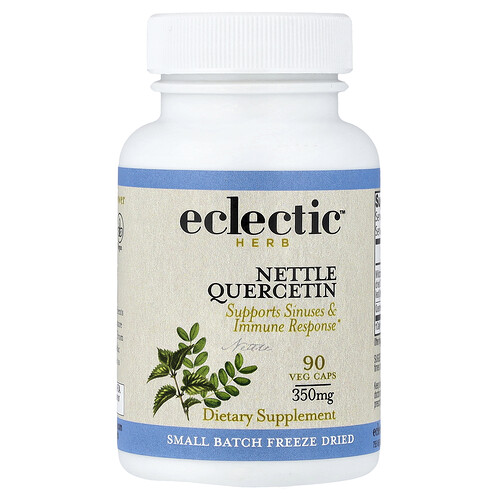
Quercetin supplements are more complicated. Forms differ in absorption, research dosages vary, and the evidence depends on the specific goal. Quercetin can also interact with some medications, including drugs metabolized through liver enzymes and transport systems. So capsules are not simply “onion without the smell”, but a separate intervention.
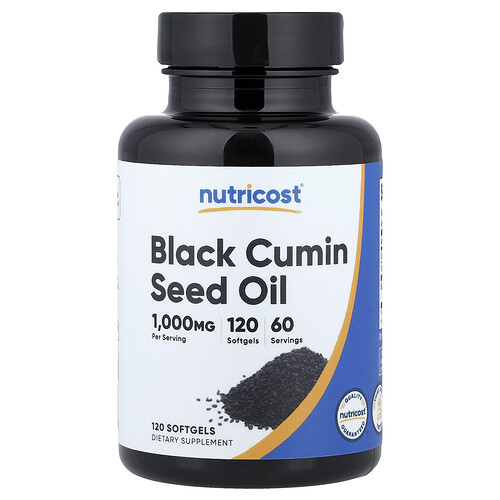
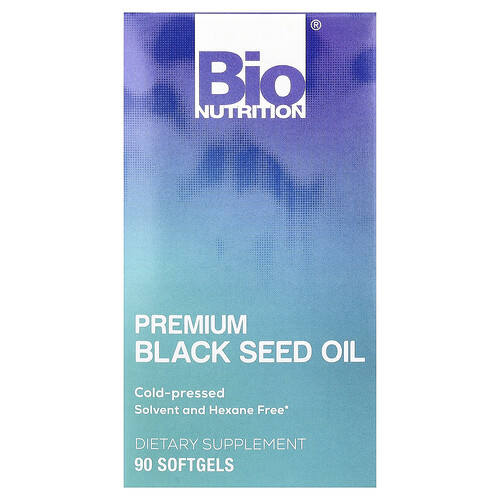
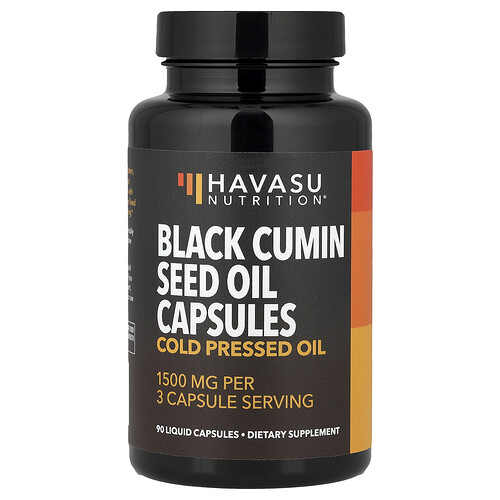
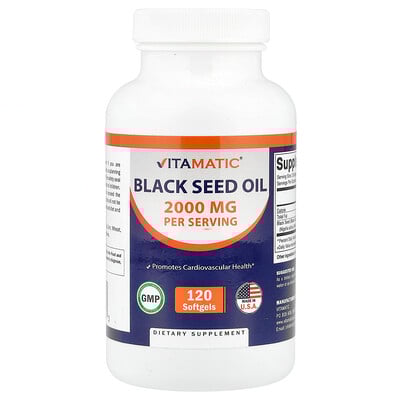
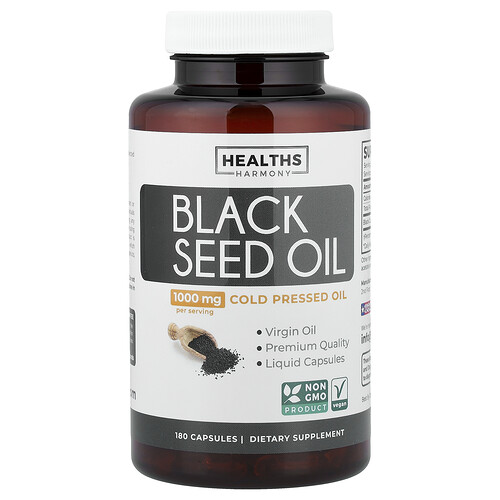
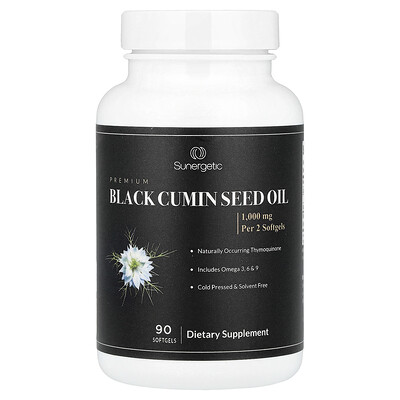
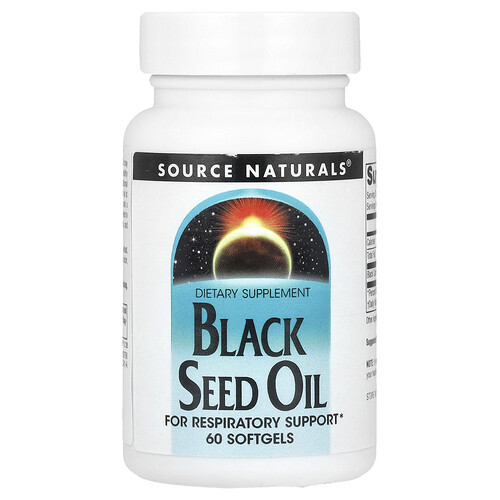
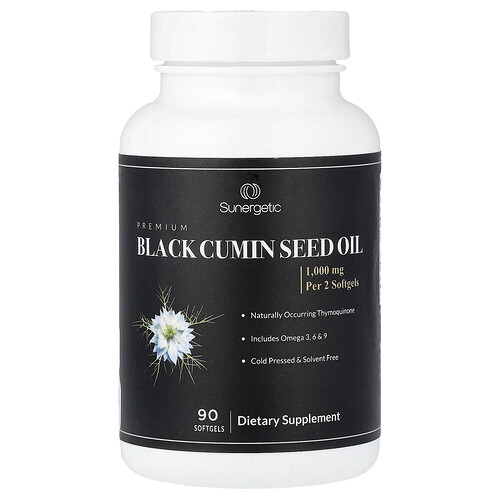
Black seed: thymoquinone, oil, and caution
Black seed, or Nigella sativa, is used as a spice and as an oil. Its main active compound is often called thymoquinone. In studies, black seed is considered in relation to oxidative stress, inflammatory mediators, lipid metabolism, blood sugar, and immune mechanisms.
In an everyday diet, black seed can be used gently: the seeds can be added to meat, vegetables, sauces, cheeses, and flatbreads made from low-carb flour. Black seed oil has a strong taste and is usually used in small amounts, more often added to ready meals than used for frying.
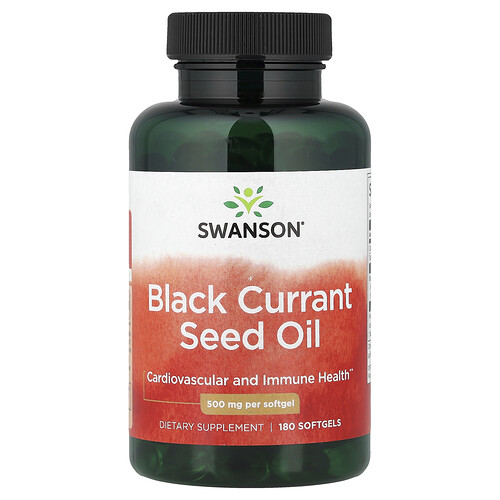
Quality is especially important here. Oils can differ in freshness, extraction method, storage, and concentration of active compounds. Rancid oil will not support an anti-inflammatory strategy; it will add extra oxidative load.
What to look for when choosing black seed oil:
- a dark glass bottle and protection from light;
- a clear expiration date and no rancid smell;
- cool storage after opening;
- moderate doses, especially with a sensitive stomach;
- caution when taking medications for blood pressure, blood sugar, clotting, and before surgery.
Black seed can be an interesting botanical tool, but it should not be turned into a universal remedy “for everything”. The more active a substance is, the more important the context becomes.
How to build an anti-inflammatory diet without extremes
The most stable result usually comes not from one supplement, but from a repeatable structure of eating. A good anti-inflammatory diet lowers glycemic load, provides enough protein, and supports bile flow, the microbiome, antioxidant systems, and stable energy.
A practical plate may look like this:
- protein in every main meal: eggs, fish, meat, poultry, seafood, cottage cheese, or other tolerated options;
- quality fats: olive oil, butter, fatty fish, avocado, nuts, and seeds in moderate amounts;
- low-carb vegetables and greens: leafy salads, broccoli, zucchini, cucumbers, cabbage, herbs, onions;
- polyphenols: turmeric, ginger, rosemary, quercetin-rich foods, berries, unsweetened cocoa, tea;
- Omega-3 from fatty fish or supplements if there is little fish in the diet;
- minimal sugar, sweet drinks, frequent snacks, refined oils, and alcohol.
On keto, it is important not to slide into a monotonous “meat, cheese, and coffee” pattern. Such a diet may be low-carb, but not necessarily anti-inflammatory. The body needs amino acids, fat-soluble vitamins, minerals, fiber, bile, normal gut function, and nervous-system recovery.
When supplements may not be the best idea
Plant supplements are often perceived as safe simply because they are “natural”. But being natural does not cancel biological activity. Curcumin, quercetin, black seed extracts, and piperine can affect enzymes, bile flow, mucous membranes, blood pressure, blood sugar, and medication effects.
Extra caution with concentrated supplements is especially needed in these situations:
- pregnancy, breastfeeding, or planning pregnancy;
- use of anticoagulants, antiplatelet drugs, blood-pressure medications, diabetes medications, immunosuppressants, or cancer therapy;
- gallstones, marked bile-flow problems, active liver disease, or strong heartburn;
- preparation for surgery or dental procedures;
- allergy to spices, seeds, plants, or unclear reactions to supplements;
- autoimmune diseases, where any immune-modulating interventions are better discussed with a clinician.
If a supplement causes abdominal pain, nausea, itching, rash, unusual weakness, dark urine, pronounced diarrhea, dizziness, or unstable blood sugar, the experiment should be stopped and discussed with a professional.
How to understand that the strategy is working
Lowering chronic inflammation rarely happens in two days. It is usually a process of weeks and months. At the same time, it is possible to track not only lab markers, but also how the body feels.
Several signs are useful to monitor:
- morning energy and post-meal energy become more stable;
- cravings for sweets and snacks decrease;
- sleep and recovery after training improve;
- swelling, heaviness, skin reactions, or aches decrease if they were lifestyle-related;
- waist size and weight gradually decrease when there is excess visceral fat;
- blood glucose, insulin, triglycerides, liver enzymes, hs-CRP, or other markers improve if they were elevated.
If inflammatory markers are high, there is severe pain, fever, blood in the stool, unexplained weight loss, anemia, severe weakness, or sudden worsening of health, do not try to “put out inflammation” with spices. In such cases, the cause needs proper medical evaluation.
Conclusion
Curcumin, quercetin, and black seed can be useful elements of an anti-inflammatory diet when used reasonably. They are interesting not as miracle remedies, but as part of a system: less sugar and fewer glucose spikes, more quality protein, Omega-3, vegetables, spices, sleep, movement, and recovery.
The best approach is not to start with maximum supplement doses, but to build the foundation and understand where the main inflammatory load is coming from. Then plant compounds become not an attempt to “flood the fire”, but careful support for the body.
Sources
- The effects of curcumin supplementation on biomarkers of inflammation, oxidative stress, and endothelial function: A meta-analysis of meta-analyses
- Curcumin on Human Health: A Comprehensive Systematic Review and Meta-Analysis of 103 Randomized Controlled Trials
- The effect of Nigella sativa (black seed) on biomarkers of inflammation and oxidative stress: an updated systematic review and meta-analysis of randomized controlled trials
- Effects of supplementation with quercetin on plasma C-reactive protein concentrations: a systematic review and meta-analysis of randomized controlled trials
- Key technical issues of herbal medicines with reference to interaction with other medicines
- 6 Tips: How Herbs Can Interact With Medicines