



Loss of smell after illness is frightening not only because a person senses food, smoke, gas, or spoiled products worse. Smell is closely connected with emotions, memory, appetite, and the feeling of mental clarity. When smells disappear or become distorted, food becomes flat, mood may drop, and the brain seems to lose part of its usual orientation.
After an infection, smell often returns gradually. But if nasal congestion has already passed and smells remain weak, distorted, or almost absent, it is worth looking wider: at the nasal mucosa, inflammation, the state of the olfactory epithelium, deficiencies, protein, zinc, vitamin A, vitamin D, magnesium, toxic exposures, and overall recovery.
Why smell disappears after illness
Smell does not begin in the “nose in general”, but in a specialized olfactory area. Odor molecules must reach the receptors, bind to odor receptor proteins, send a signal through nerve pathways, and the brain must recognize that signal as a specific smell.
After illness, the problem may occur at different levels:
- swelling and mucus prevent odor molecules from reaching the receptors;
- inflammation damages the mucosa and olfactory epithelium;
- after infection, nerve and epithelial cells recover slowly;
- the brain recognizes weak or distorted signals worse;
- deficiencies and chronic inflammation slow tissue regeneration.
That is why smell loss can be different. Anosmia is an almost complete absence of smell. Hyposmia is reduced sensitivity. Parosmia is distortion of smells, when familiar food smells unpleasant, chemical, or “wrong”. The approach to recovery depends on what exactly is happening.
When not to wait and to see a doctor
Many post-infectious smell disorders improve over time, but there are situations where it is better not to rely only on home methods. It is especially important to rule out problems that mechanically prevent odors from reaching the olfactory area or support chronic inflammation.
You should see an ENT doctor if there are such signs:
- smell does not return for several weeks after illness and there is no clear improvement;
- there is constant nasal congestion, purulent discharge, facial pain, or suspicion of sinusitis;
- smell disappeared after a head injury;
- smells became sharply distorted and this interferes with eating;
- smell loss is one-sided or accompanied by neurological symptoms;
- there is long-term use of decongestant nasal drops.
Decongestant drops are a separate trap. They can quickly make breathing easier, but with prolonged use they support medication-induced rhinitis and worsen the condition of the mucosa. If a person has been “dependent on drops” for months, recovery of smell often depends not only on the consequences of infection, but also on chronic nasal irritation.
What factors interfere with smell recovery
The following factors may interfere with recovery:
- runny nose, chronic rhinitis, and allergic rhinitis;
- atrophy of the nasal mucosa;
- long-term use of decongestant nasal drops;
- Sjogren’s syndrome and pronounced dryness of mucous membranes;
- hypothyroidism, diabetes, and kidney failure;
- depression, chronic stress, and poor sleep;
- long-term contact with heavy metals, formaldehyde, and solvents.
This list is practically important. If a person is waiting for recovery but continues working with solvents without protection, lives in a dusty environment, sleeps poorly, eats little protein, and has uncompensated hypothyroidism, the olfactory system receives too many inhibitory factors at the same time.
Olfactory training: why smell practice should be regular

The safest and well-studied non-drug approach for post-viral smell disorders is regular olfactory training. Its meaning is not in the magic of essential oils, but in repeated stimulation of the olfactory system. The brain and olfactory epithelium receive repeated signals and gradually learn to recognize them better.
A basic scheme may look like this:
- choose 3–4 recognizable smells, for example orange, mint, basil, clove, coffee, or rose;
- smell each scent calmly for 15–20 seconds without inhaling sharply;
- during training, mentally recall what this smell should be like;
- repeat 1–2 times a day for at least several weeks, and preferably 2–3 months;
- change some of the smells every few weeks if progress has stopped.
Essential oils should not be dripped into the nose, applied to the mucosa, or inhaled aggressively. For training, it is enough to gently smell the aroma from a bottle or a cotton pad from a distance.
Zinc, vitamin A, and the nasal mucosa
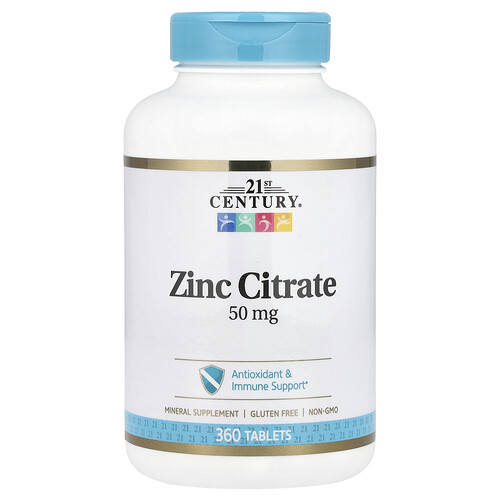
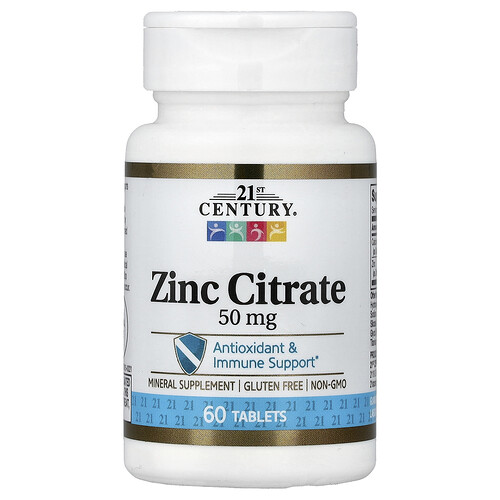
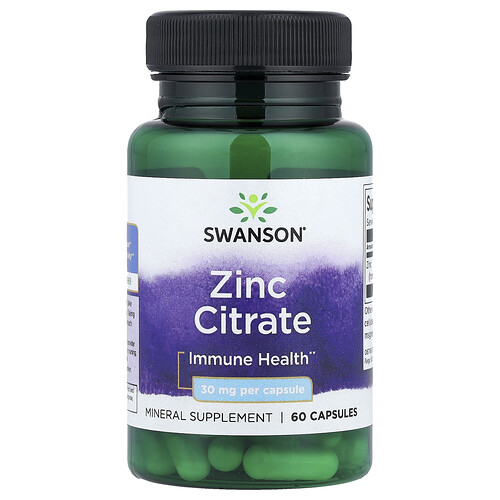
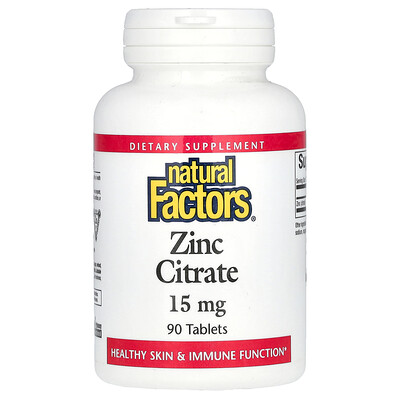
Zinc is often mentioned in loss of taste and smell for a reason. It participates in enzyme function, tissue repair, immune response, and epithelial health.
But the mistake is to take zinc for a long time and in high doses “just in case”. Excess zinc can interfere with copper metabolism, and copper deficiency can worsen blood formation, connective tissue, and the nervous system. Therefore, zinc supplements are better considered together with diet, copper, protein, and real signs of deficiency.
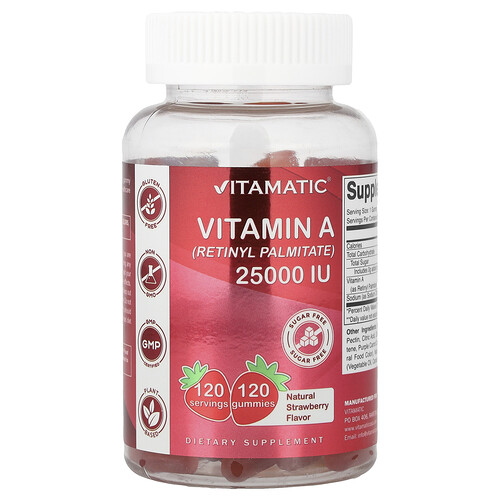
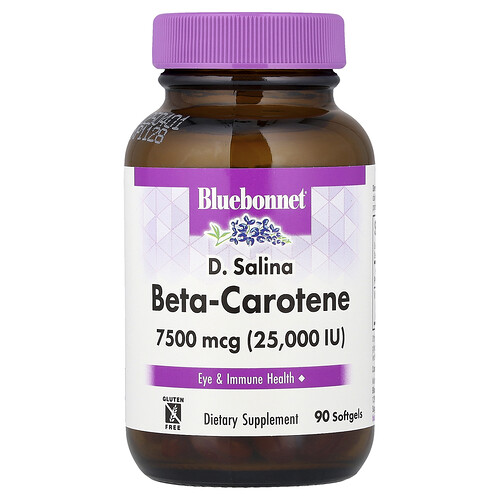
Vitamin A is important for mucous membranes. It supports epithelial tissues, barrier function, and recovery of surfaces that contact the external environment. For the nose this is especially logical: if the mucosa is dry, irritated, or atrophic, odor molecules interact with the olfactory area less effectively.
Food sources that fit well into keto and LCHF:
- zinc: oysters, beef, lamb, liver, eggs, seafood;
- vitamin A: liver, cod liver, egg yolks, butter, fatty fish;
- copper for balance with zinc: liver, seafood, cocoa, nuts, and seeds in moderate amounts.
With vitamin A, special caution is important during pregnancy and when taking retinol supplements. Food sources are usually more reasonable than high doses without indications.


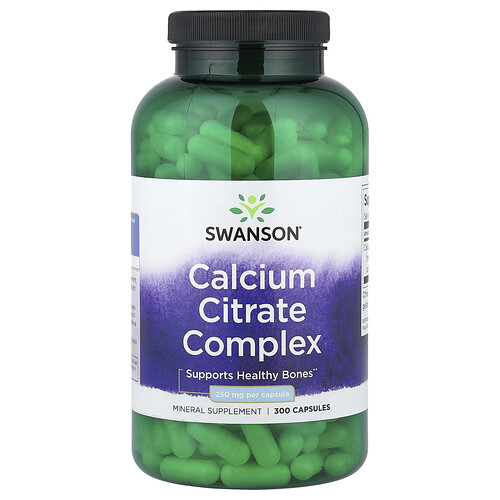
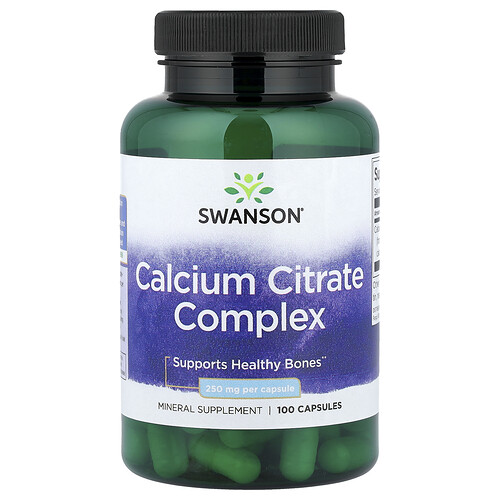
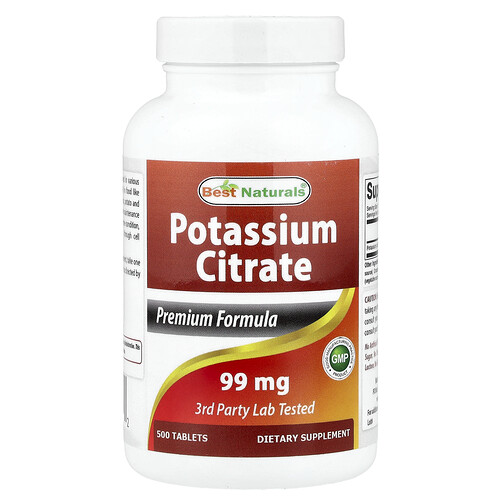
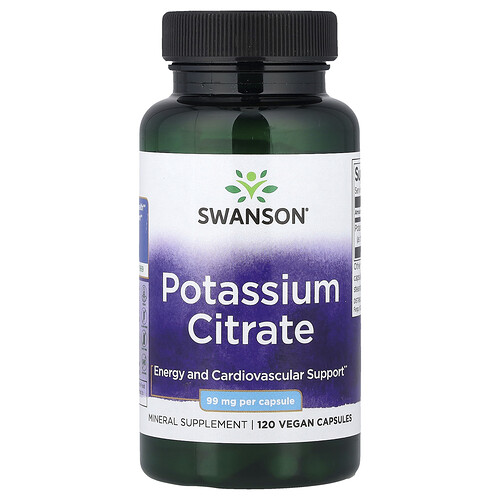
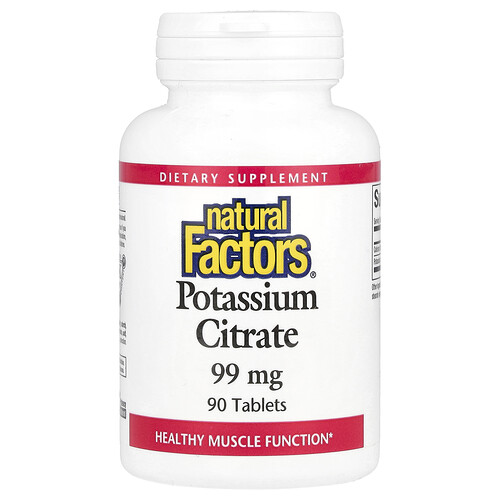
Vitamin D, magnesium, calcium, and potassium: why electrolytes also matter
| nutrient | why it may matter for recovery |
| vitamin D | is linked to immune regulation, inflammation, and mucosal health |
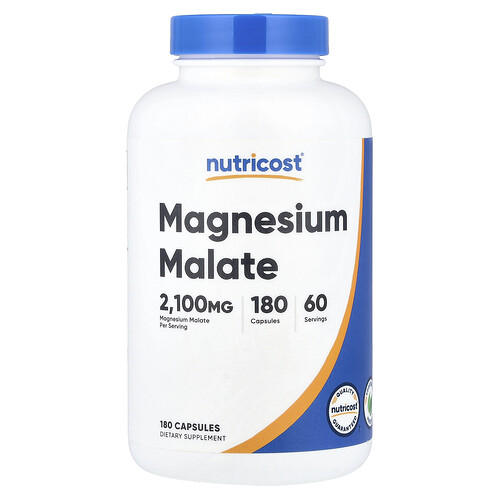
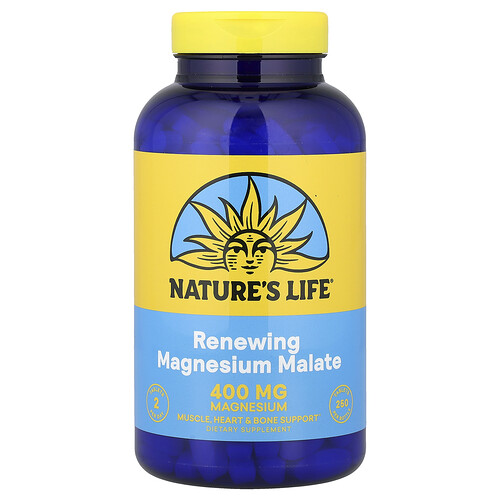
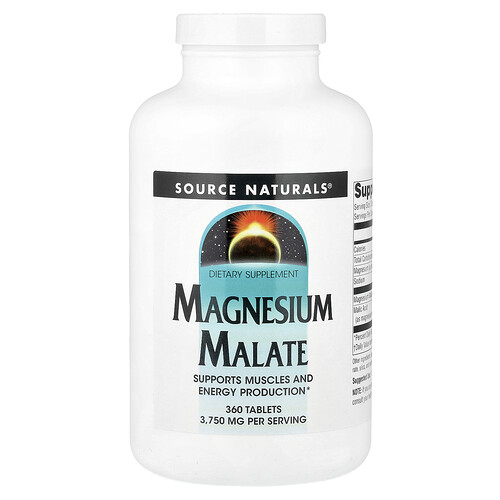
| magnesium | is needed for the nervous system, energy metabolism, and vitamin D metabolism |
| calcium | participates in cell signaling and neuromuscular transmission |
| potassium | is important for membrane potential, fluid balance, and nerve cell function |
On a low-carbohydrate diet, electrolytes become especially noticeable. If after illness a person sharply restricts carbohydrates, eats little, sweats, drinks a lot of coffee, and under-salts food, weakness and “brain fog” may intensify. This is not necessarily the cause of smell loss, but it is a factor that interferes with overall recovery.


Protein, phospholipids, and NAC: material for tissue repair
The olfactory area is living tissue that needs building material.
Protein provides amino acids for enzymes, receptor proteins, immune molecules, and mucosal repair. If after illness a person eats little protein and spends a long time on tea, crackers, sweets, or “light food”, recovery may be slower.
Phospholipids are important for cell membranes. Olfactory receptors and nerve cells work through membranes, signaling proteins, and impulse transmission. Therefore, a diet with eggs, fish, roe, liver, meat, and quality fats is physiologically more logical than a low-fat diet with protein deficiency.
NAC is N-acetylcysteine, a source of cysteine for glutathione synthesis. Glutathione participates in antioxidant defense and detoxification processes. But NAC should not be seen as a universal remedy for smell. It makes sense where there is high inflammatory or toxic load, protein deficiency, poor recovery, or a need to support the antioxidant system for clear reasons.
Heavy metals, solvents, and formaldehyde
If smell does not recover and a person constantly contacts toxic substances, this should not be ignored. Most often this is not about a one-time smell of paint, but about repeated exposure:
- renovation, varnishes, paints, solvents, and poor ventilation;
- industrial dust, welding, metals, batteries, pigments;
- new furniture, materials with a strong smell, formaldehyde, and volatile compounds;
- smoking and passive smoke;
- incorrect mercury cleanup or contact with contaminated dust.
In such a situation, “vitamins for smell” will not solve the problem if the source continues to act. First, exposure should be reduced: ventilation, respiratory protection, wet cleaning, smoking cessation, safe renovation, and checking the work environment.
Tests for heavy metals make sense only in the context of a specific source and symptoms.
What to check if recovery is delayed
Not everyone needs the same tests. But if smell does not return, and there is weakness, hair loss, dry mucous membranes, frequent infections, brain fog, depression, or chronic disease, it is useful to look not for one “magic” cause, but for several factors that slow recovery.
Examples of points to discuss with a specialist:
| situation | what can be discussed |
| dry mucous membranes, poor healing, frequent infections | zinc, copper, vitamin A, vitamin D, total protein, and diet quality |
| severe fatigue, cramps, poor sleep | magnesium, potassium, sodium, vitamin D, nutrition after illness |
| hypothyroidism or symptoms of reduced thyroid function | TSH, free T4, free T3, antibodies when indicated, iodine and selenium context |
| diabetes or glucose swings | fasting glucose, HbA1c, insulin, inflammation, vascular and mucosal condition |
| contact with metals, solvents, or formaldehyde | source assessment, work conditions, tests based on a specific hypothesis, toxicologist or occupational physician consultation |
Tests should help make a decision, not create an anxious collection of numbers. For example, low zinc against the background of high copper, poor protein intake, and long-term inflammation is interpreted differently than one random marker without symptoms and context.
How to support smell recovery at home
The home strategy should be calm and regular. Mucous membranes and the nervous system need time, and aggressive experiments may irritate the nose even more.
A basic plan may look like this:
- remove irritants: smoke, dust, harsh solvents, dry air, and prolonged use of decongestant drops;
- start olfactory training with 3–4 familiar smells 1–2 times a day;
- normalize protein intake: eggs, fish, meat, seafood, cottage cheese, or other tolerated sources;
- add foods with zinc, vitamin A, phospholipids, magnesium, and potassium;
- check vitamin D and do not take large doses blindly;
- if there is chronic congestion, allergy, or sinusitis, address the ENT cause;
- if there is toxic exposure, first reduce the source of exposure instead of starting with “detox”.
For keto and LCHF, the necessary foods should already be in the diet: eggs, fish, liver, seafood, meat, greens, avocado, fermented vegetables, and quality fats provide many needed nutrients without excess sugar. The key is for the diet to be complete, not made of coffee, cheese, and sugar-free desserts.
Conclusion
Recovery of smell after illness depends not only on time. The condition of the nasal mucosa, inflammation, absence of chronic irritants, olfactory training, protein, zinc, vitamin A, vitamin D, magnesium, electrolytes, phospholipids, and antioxidant defense all matter.
If smells are gradually returning, the most reasonable path is regular training, nutrient-dense food, and gentle care for the mucosa.
If smell does not recover, there is congestion, pain, neurological symptoms, strong smell distortion, or contact with toxic substances, it is better not to wait endlessly and to check the cause with a specialist.
Sources
- Treatment of post-viral olfactory dysfunction: an evidence-based review with recommendations
- Treatment strategies for postviral olfactory dysfunction: A systematic review
- Management of new onset loss of sense of smell during the COVID-19 pandemic: BRS Consensus Guidelines
- Ask the Experts: An International Consensus on Managing Post-Infectious Olfactory Dysfunction Including COVID-19
- Zinc: Health Professional Fact Sheet
- Copper: Health Professional Fact Sheet
- Vitamin A: Health Professional Fact Sheet