


When the brain works worse than usual, a person often describes it with one word: fog. But within this fog, there can be different problems. One person struggles with attention: they can’t finish reading a page. Another with memory: information doesn’t stick. A third with speech: the word is “on the tip of the tongue,” but it doesn’t come to mind. A fourth with motivation: even simple tasks are endlessly postponed.
If these states are not differentiated, it’s easy to choose the wrong solution. With memory issues, a person starts taking stimulants, while what they really need is sleep. When motivation is low, they scold themselves for laziness, even though their diet lacks protein, iron, and B vitamins. Therefore, the first step is to understand which specific brain function is lagging.
Five functions that most often fail
In everyday life, we rarely notice the brain’s work in separate modules. But for practical purposes, it’s convenient to divide the state into five functions:
- attention — the ability to maintain focus and not get distracted by stimuli;
- memory — the ability to record, retain, and retrieve information;
- reaction speed — the quickness of switching, solving, and responding;
- speech — word selection, coherence of phrases, and clarity of formulation;
- motivation — the ability to initiate action and carry it to completion.
These functions are interconnected. If sleep is poor, both memory and speech and motivation suffer. If glucose levels fluctuate, attention may only be maintained in short bursts. If there is little protein, iron, and B vitamins, the synthesis of neurotransmitters and oxygen delivery declines.
Quick navigator for symptoms
You can start with a simple table. It doesn’t diagnose but helps to understand where to look first.
| what is lagging | how it feels | where to look for weaknesses |
| attention | hard to finish reading, easily distracted, difficult to maintain a task | sleep, post-meal glucose, noise, notifications, choline, protein, blood supply |
| memory | new information doesn’t stick, names are forgotten, hard to recall yesterday’s events | deep sleep, ferritin, B12, folate, DHA, movement, stress |
| reaction speed | longer to think, slower to switch, decisions come slowly | B12, myelin, magnesium, omega-3, microcirculation, electrolytes |
| speech | the word is “on the tip of the tongue,” phrases become simpler, pauses occur more often | protein, B vitamins, acetylcholine, ferritin, sleep, blood flow |
| motivation | no desire to start, everything is postponed, joy from results is weaker | dopamine, protein, tyrosine, iron, B6, sleep, stress, overload from stimulants |
If everything is lagging at once, it’s better to start not with a narrow supplement but with basic supports: sleep, light, protein, movement, water, electrolytes, and stable food.
Attention: when focus can’t be maintained
Attention is a filter. It helps choose one task and not get scattered by noise, notifications, thoughts, and stimuli. When attention lags, a person may be smart and motivated but still can’t maintain focus.
Typical signs of reduced attention:
- you read a paragraph and don’t remember what it was about;
- constantly switch between tabs;
- hard to listen to a conversation until the end;
- attention drops sharply after eating;
- in a noisy environment, thoughts quickly scatter;
- by the end of the day, you feel a heavy head.
Frequent causes include lack of sleep, glucose spikes after meals, insufficient protein and choline, dehydration, stuffiness, stress, and endless notifications. Therefore, attention rarely improves just from willpower. It needs fuel, oxygen, rhythm, and silence.
Memory: when information doesn’t stick
Memory is not just about “I remember well or poorly.” For information to stick, the brain needs sleep, energy, oxygen, fatty acids, B vitamins, and calm repetition. If a person doesn’t sleep, eats chaotically, and constantly switches tasks, memory doesn’t have time to do its job.
Memory may lag in the following ways:
- hard to remember what you read yesterday;
- names, agreements, and details are forgotten;
- new information quickly fades;
- hard to retell material in your own words;
- after stress or lack of sleep, memory noticeably worsens.
First, look at sleep. Deep sleep phases and a normal daily rhythm help the brain consolidate information. Then check ferritin and oxygen delivery, B12 and folate, DHA from omega-3, movement, and inflammatory background.
Reaction speed: when the brain responds with delay
Reaction speed is not just about athletic agility. In everyday life, it’s the ability to quickly understand a question, switch between tasks, make decisions, and not get stuck on simple actions.
Slowed reaction often looks like this:
- it takes longer to make even simple decisions;
- hard to quickly switch from one task to another;
- there’s a feeling of “slow thinking”;
- after a few hours of work, the brain seems to get bogged down;
- coordination and precision of movements worsen.
For speed, myelin, B12, fats, DHA, magnesium, electrolytes, and microcirculation are important. If the signal along the nerve pathways travels slower, a person feels it as a delay in thinking. Here, often sleep, B12 as needed, omega-3, movement, water, and normal vessel function help more than stimulants.
Speech: when the word is on the tip of the tongue but doesn’t come to mind
Speech is not just vocabulary. It’s the coordination of memory, attention, breathing, motor skills, and auditory control. Therefore, speech pauses can arise not only from fatigue but also from low protein, poor sleep, weak blood flow, and deficiencies.
Speech function lags if you notice such changes:
- the word is often “on the tip of the tongue” but can’t be found;
- phrases have become shorter and simpler;
- pauses are needed more often during conversation;
- after lack of sleep, speech noticeably worsens;
- in stressful situations, thoughts are there, but formulations don’t come together.
If speech impairment appears suddenly, accompanied by weakness, numbness, facial drooping, confusion, or sudden headaches, it’s a reason to seek medical help urgently. If the problem is gradual and recurs against a backdrop of fatigue, look into sleep, protein, choline, B12, B6, ferritin, and blood supply.
Motivation: when there’s no desire to start
Motivation is not just character. It depends on the dopamine system, sleep, protein, iron, B vitamins, stress levels, and how much energy the brain receives. When resources are low, the brain conserves and chooses procrastination.
Low motivation often looks like this:
- even simple tasks are postponed;
- hard to start without external pressure;
- joy from results is weaker than before;
- there’s a craving for quick stimuli: sweets, scrolling, coffee, new purchases;
- after sleep, there’s no feeling of being engaged in the day.
It’s important not to confuse motivation with moral judgment. Sometimes “laziness” is a sleepy, inflamed, underfed, or overloaded brain. The dopamine system needs amino acids, iron, B6, stable sleep, and proper recovery from stress.
Why functions lag together
The brain works as a system. When one function declines, the others often follow suit. For example, if attention can’t be maintained, information gets into memory worse. If memory lags, speech becomes poorer. If motivation is low, a person moves less and recovers worse, which again impacts attention.
A typical chain might look like this:
- a person goes to bed late and sleeps superficially;
- in the morning, the brain turns on slowly;
- breakfast consists of coffee and quick carbs;
- after a short rise, attention drops;
- during the day, there’s less movement and more notifications;
- by evening, speech slows down, memory worsens, and motivation drops;
- in the evening, there’s a craving for quick stimuli, and the cycle repeats.
Therefore, working with the brain starts not with one symptom but with finding a repeating scenario.
What to check first
If you want to understand which function is lagging, start with observation. You don’t need to immediately take all possible tests or take many supplements.
Over the course of a week, note the following:
- when attention is best maintained;
- after which meals drowsiness appears;
- when it’s harder to find words;
- at what times motivation is highest and lowest;
- how many hours you slept and when you went to bed;
- whether there was a morning walk or daylight;
- how much movement and water there was;
- which tasks were easiest to complete.
Then you can move on to more precise checks: glucose, HbA1c, insulin, triglycerides, ferritin, total protein, B12, folate, homocysteine, vitamin D — as needed and considering symptoms.








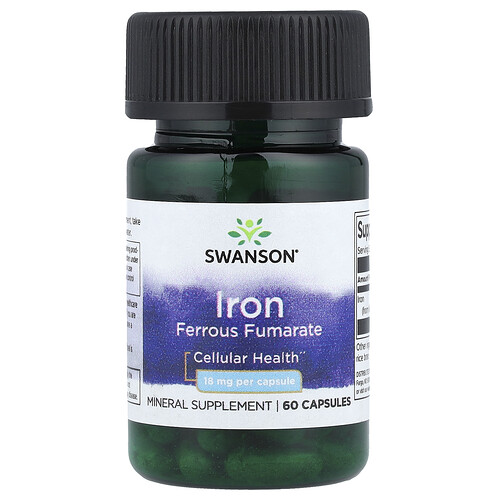
How to connect function and action
To avoid scattering, choose an action based on the main symptom. If everything is lagging at once, start with sleep and nutrition.
| main complaint | first action | what to add later |
| no focus | remove notifications, check sleep and food that makes you drowsy | protein breakfast, walk after meals, water and electrolytes |
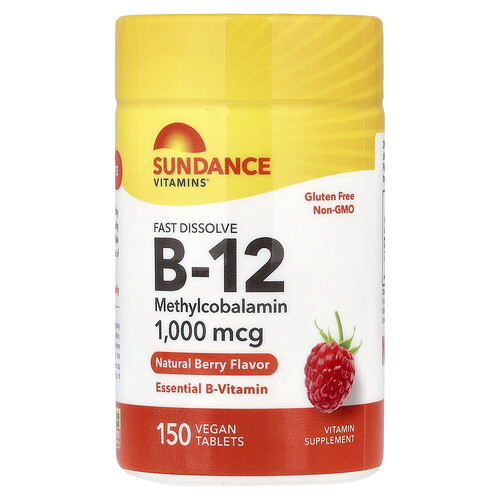
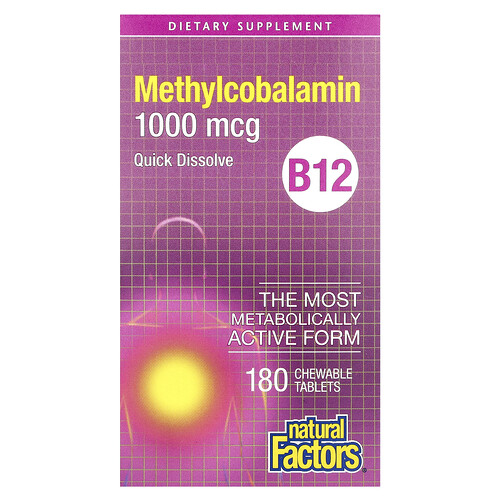
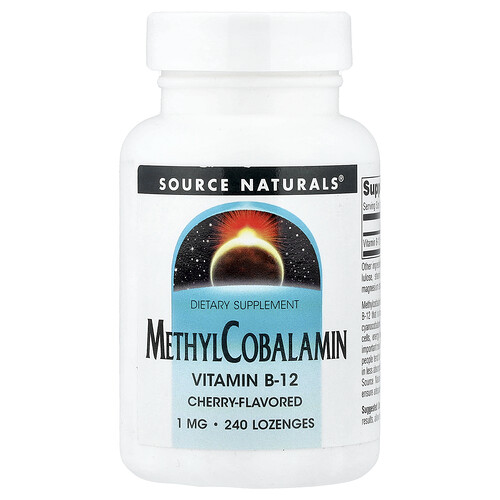
| poor memory | stabilize sleep and repetition of material | check ferritin, B12, folate, DHA, movement |
| slow reaction | add movement and sleep | evaluate B12, magnesium, omega-3, electrolytes |
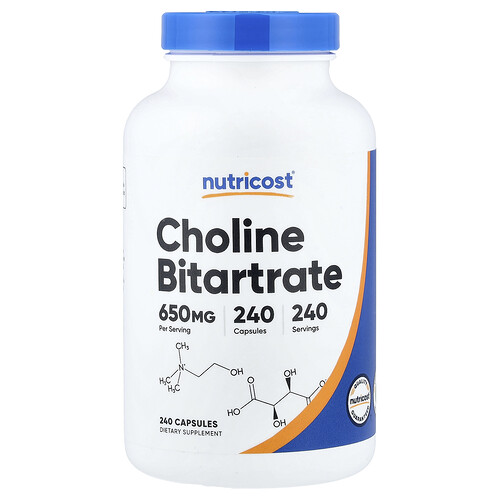
| hard to speak | check sleep, protein, and periods of overload | choline, B vitamins, ferritin, air and blood flow |
| no motivation | reduce overload from stimulants and stabilize the routine | protein, iron, B6, simple tasks with quick completion |
This approach helps not to treat everything at once but to build a normal logic: symptom → function → probable support → action.
When medical check-up is needed
Lifestyle is important, but not all cognitive symptoms can be explained by nutrition and sleep. There are situations where it’s better not to delay.
Consult a doctor if you notice the following signs:
- sudden impairment of speech, vision, movement, or sensitivity;
- sharp deterioration in memory over a short period;
- confusion;
- new severe headaches;
- behavior changes noticed by loved ones;
- progressive deterioration despite sleep, nutrition, and recovery.
In other cases, it’s useful to start with observation and basic supports. Often, within 1-2 weeks, it becomes clear which function reacts first.
How to Suspect a Shift in Dopamine, Serotonin, and GABA
When a person complains about several cognitive and emotional symptoms at once, it is useful to look not at one beautiful term, but at the pattern. A decrease in motivation, a craving for quick stimuli, difficulty starting tasks, and the feeling that rewards no longer feel rewarding often lead to thoughts about the dopamine part of the reward system. Irritability, internal instability, sleep problems, and the feeling that stress is being handled worse than usual often draw attention to serotonin and how the brain copes with overload in general. Tension, anxiety, difficulty relaxing, and the feeling that the nervous system cannot “slow down” often resemble a deficiency in the inhibitory influence of GABA.
This does not mean that every complaint can be honestly reduced to one neurotransmitter. The same problems can arise from sleep deprivation, low protein, deficiencies in iron, B6, B12, folate, magnesium, insulin resistance, chronic inflammation, hypothyroidism, excess caffeine, or constant overload from quick rewards. However, such a neurotransmitter pattern helps to more accurately choose the direction for analysis and correction, instead of randomly taking nootropics and calming supplements without a system.
Why Symptoms Are Not Equal to One Neurotransmitter
Dopamine, serotonin, and GABA do not work in isolation. For synthesis and normal signal transmission, the brain needs amino acids, B vitamins, magnesium, iron, zinc, sufficient energy, and normal sleep. Therefore, the same person can simultaneously exhibit traits of both dopamine depletion and serotonin instability, as well as poor inhibition of the nervous system. In practice, it is more useful to think not about “which neurotransmitter do I have,” but about “where the system is overloaded, where there is a lack of building material, and which habits constantly wash away resilience.”
Conclusion
Attention, memory, reaction speed, speech, and motivation are different functions, but they work as one system. If attention lags, memory receives less material. If there’s little sleep, speech suffers. If there’s little protein, iron, and B vitamins, motivation and neurotransmitters work worse.
The most practical way is not to look for a single pill for the brain but to understand what exactly has changed. When you see which function is lagging, it becomes easier to choose the first step: sleep, nutrition, movement, water, light, reducing noise, checking ferritin, B12, glucose, or supporting the dopamine system. This way, the brain stops being a black box and becomes a system that can be worked with.
Sources
- About Sleep’s Role in Memory — Perspectives on Psychological Science
- Effects of Nutrition on Cognitive Function in Adults with or without Cognitive Impairment: A Systematic Review of Randomized Controlled Clinical Trials
- Effects of dietary proteins on cognitive performance and brain vascular function in adults: a systematic review of randomised controlled trials
- Long-chain omega-3 polyunsaturated fatty acids and cognitive decline in non-demented adults: a systematic review and meta-analysis
- Effects of Vitamin B12 Supplementation on Cognitive Function, Depressive Symptoms, and Fatigue: A Systematic Review, Meta-Analysis, and Meta-Regression