


Insulin
A pancreatic hormone that regulates glucose, energy storage and use, protein synthesis, lipolysis and liver metabolism. It is not an enemy by itself; problems arise with deficiency, excess, insulin resistance or inappropriate therapy.


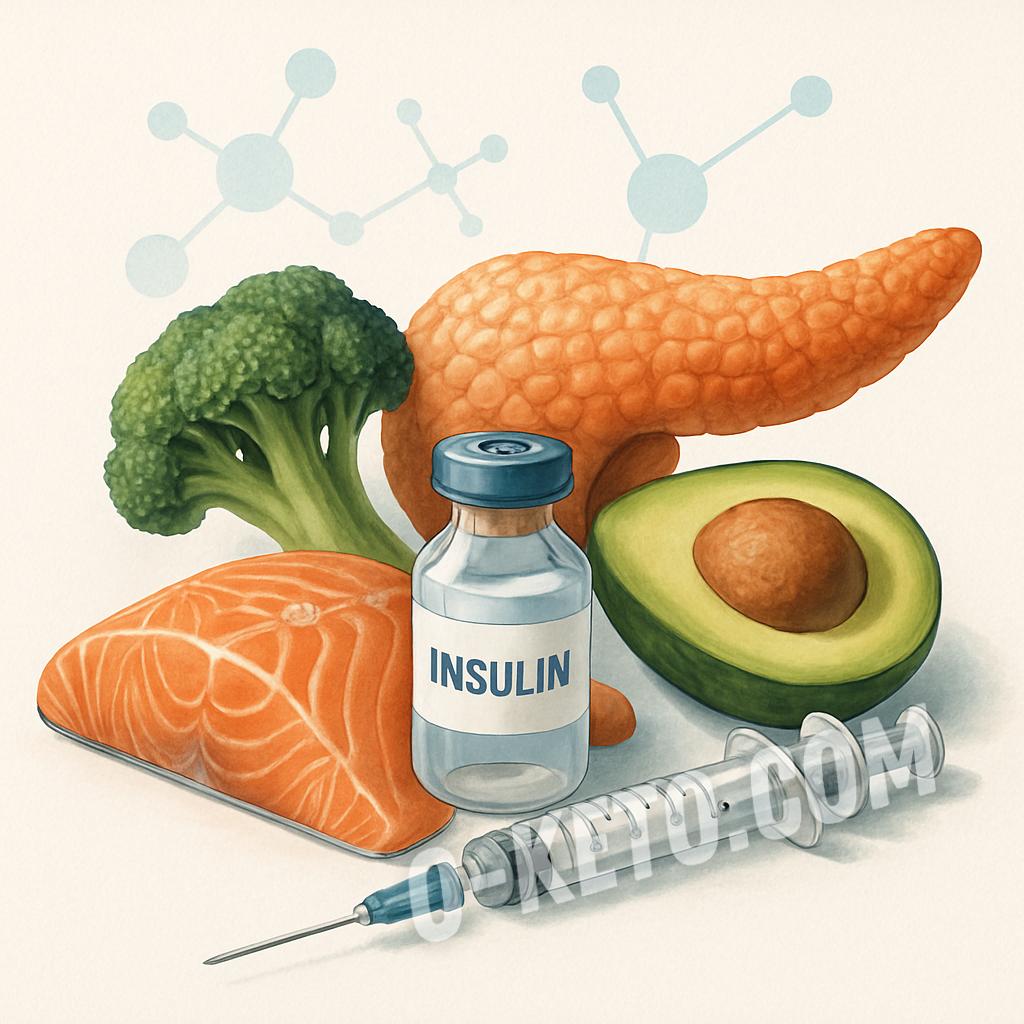
Insulin is a hormone produced by pancreatic beta cells that helps the body distribute energy after meals and between meals. It lowers blood glucose, helps muscle and fat tissue take up nutrients, replenishes glycogen, influences protein synthesis, restrains excessive fat breakdown and prevents uncontrolled ketone production. Insulin is therefore not an enemy. Without it, normal life is impossible, and in type 1 diabetes severe deficiency becomes life-threatening.
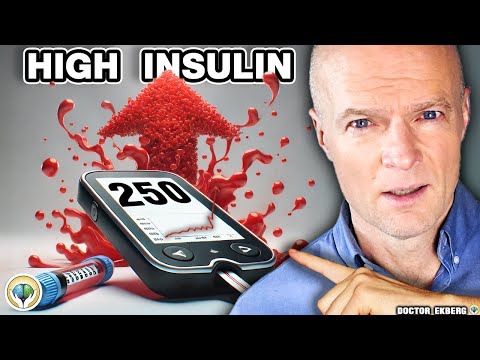
At the same time, chronically high insulin in the context of insulin resistance is associated with obesity, fatty liver disease, high blood pressure, abnormal lipids and type 2 diabetes. It is important to distinguish normal post-meal rises, injected insulin used for diabetes, insulin deficiency and compensatory hyperinsulinemia. The same molecule can be lifesaving, a normal signal or a sign of an overloaded system depending on context.
What insulin does
After a meal, glucose and amino acids stimulate insulin secretion. The hormone helps cells use glucose, helps the liver and muscles store glycogen, and helps fat tissue hold energy. It also participates in protein synthesis and affects electrolyte balance, including the movement of potassium into cells. This is why changes in insulin can influence not only blood glucose, but also weakness, palpitations, cramps and overall wellbeing.
Between meals, insulin falls and the body uses stored energy more actively. The liver maintains glucose through glycogen breakdown and gluconeogenesis, fat tissue releases fatty acids, and ketone bodies may be produced when insulin is low. This is a normal shift between metabolic modes. The problem appears when insulin is dangerously low in type 1 diabetes or too high too often in insulin resistance.
Insulin resistance
In insulin resistance, cells respond less effectively to insulin. The pancreas has to release more of the hormone to keep glucose normal. Long before obvious diabetes, a person may therefore have high insulin, increasing waist circumference, hunger after meals, sleepiness, high triglycerides and fatty liver. Glucose can still look normal for a while because compensation is working.
Reducing glycemic load, decreasing visceral fat, resistance training, walking after meals, sleep and adequate protein can improve insulin sensitivity. Carbohydrates are not the only factor. Chronic stress, sleep loss, inflammation, some medications, hormonal disorders and loss of muscle mass also impair tissue response. Low-carbohydrate nutrition works best when it is part of a broader recovery routine.
Insulin and keto
On keto and LCHF, insulin levels usually fall because there are fewer fast carbohydrates and fewer sharp glucose rises. This can help many people with insulin resistance, prediabetes and type 2 diabetes. But insulin should not fall to zero. It is needed for protein metabolism, ketone control, electrolytes and normal tissue function. Even on strict keto, the body maintains a basal insulin signal.
People who use insulin or medications that can cause hypoglycemia need caution when moving to a low-carbohydrate diet. Doses may become lower, but sudden independent withdrawal is dangerous. In type 1 diabetes, insulin is essential regardless of carbohydrate intake. In type 2 diabetes, therapy changes depend on glucose, medications, kidney function, ketones, diet and medical follow-up.
How to interpret markers
Fasting insulin can help describe the metabolic background, but it should not be read apart from glucose, HbA1c, C-peptide, lipids, waist circumference, blood pressure and liver status. Low insulin in a healthy person eating LCHF and low insulin in autoimmune diabetes are different situations. A high insulin response after a protein-containing meal and chronically high fasting insulin also have different meanings.
The practical goal is not to demonize the hormone, but to restore normal insulin dynamics. After meals, insulin should rise. Between meals, it should fall. Tissues should respond appropriately. Good nutrition, movement, sleep, reduced visceral fat and appropriate medication can help restore this rhythm. Hypoglycemia, sudden weakness, high glucose, ketones or suspected diabetes require medical evaluation.




If you have any questions about the term "Insulin", you can ask them to AI. Please note, a low-cost OpenAI model is used. It may answer questions about disease treatment with errors!


 1 / 4
1 / 4

 1 / 4
1 / 4 1 / 4
1 / 4
 1 / 4
1 / 4