


Rutin
This flavonoid from buckwheat, capers, citrus peel, berries, and some herbs is linked with blood vessel walls, antioxidant defense, and vitamin C metabolism. It should not be treated as a standalone vein medicine; diet, blood pressure, inflammation, medications, and bleeding risk matter.
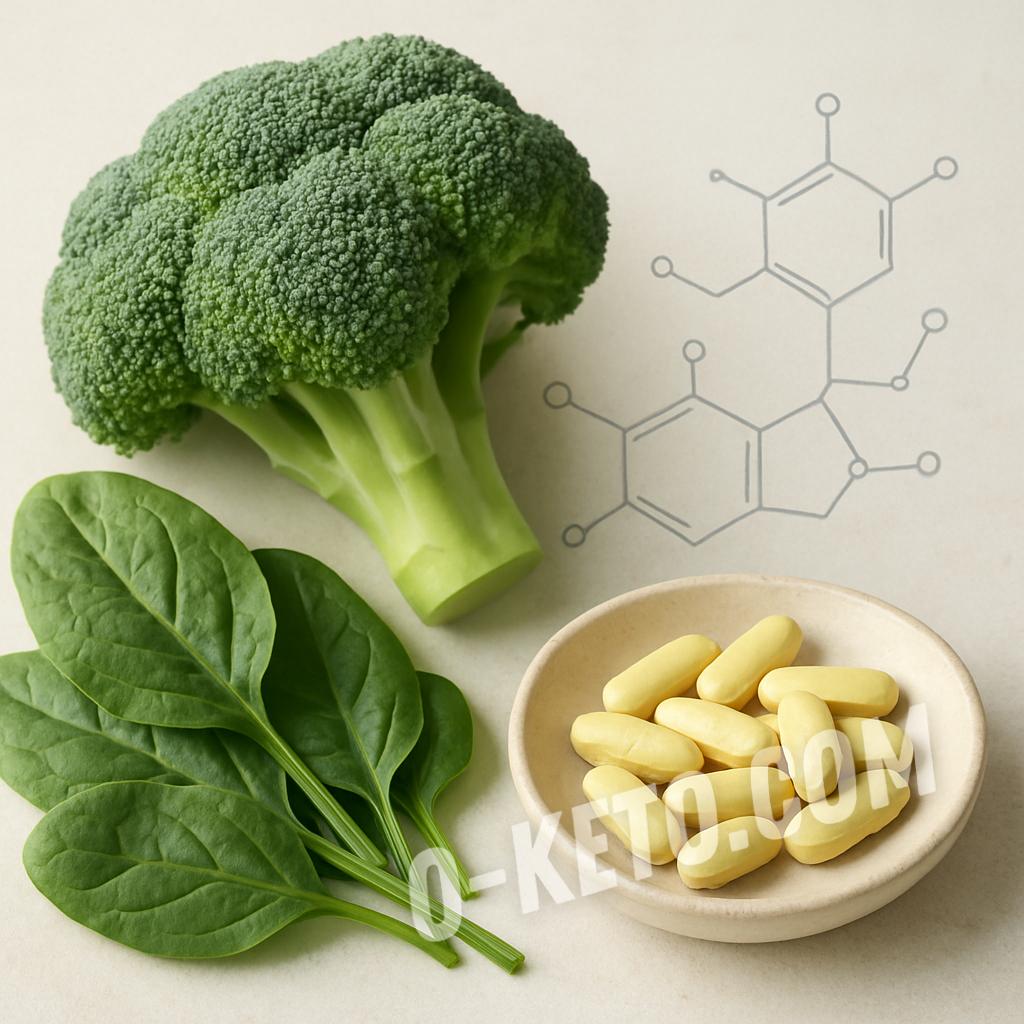
Rutin is a plant flavonoid and a glycoside of quercetin. It is found in buckwheat, capers, citrus peel, apples, berries, tea, some herbs, and vegetables. In plants, such compounds help protect against ultraviolet light, oxidative stress, and damage. In human nutrition, rutin is interesting as part of the polyphenol family that may influence blood vessel walls, inflammatory signaling, antioxidant systems, and interactions with vitamin C.
Rutin is often marketed as a supplement for capillaries or veins. There is some biochemical logic behind this, but the flavonoid should not be turned into a universal medicine. Vascular health depends on blood pressure, glucose, insulin resistance, smoking, protein intake, vitamin C, copper, inflammation, movement, body weight, hormones, and medications. Rutin may be an additional dietary factor, but it does not replace evaluation of varicose veins, swelling, bruising, leg pain, or clotting problems.
How it relates to vessels
Rutin is studied for effects on capillary permeability, oxidative stress, and inflammatory mediators. In the body, it may be broken down by the microbiota and converted into metabolites related to quercetin. These compounds may interact with the endothelium, oxidation-related enzymes, and cellular signaling. The effect depends on form, dose, gut microbiota, dietary regularity, and the overall vascular context.
If a person bruises easily or has visible small vessels, the cause is not necessarily lack of rutin. Trauma, thin skin, aging, vitamin C deficiency, platelet problems, anticoagulants, antiplatelet drugs, liver disease, hormonal factors, and genetics may all contribute. Rutin supplementation is therefore not always the right answer, and concerning symptoms need proper assessment.
Sources in low-carb eating
Rutin can be obtained without a high-carbohydrate diet. Capers, greens, tea, small portions of berries, citrus zest in dishes, spices, and some herbs fit low-carbohydrate nutrition well. Buckwheat is rich in rutin, but it is usually too starchy for strict keto. In a more flexible LCHF pattern, small portions may be acceptable depending on glucose response and the person’s goal.
The practical point is not to chase one flavonoid. A diet works better when it contains a range of polyphenols: greens, olive oil, unsweetened cocoa, berries, spices, tea, coffee, and low-carb vegetables. In that context rutin becomes part of the plant density of the menu rather than an isolated vascular pill.
Vitamin C, collagen, and connective tissue
Rutin is often mentioned together with vitamin C because both are connected with blood vessel walls and redox reactions. Vitamin C is required for collagen synthesis, while flavonoids may help protect tissues from oxidative stress. Collagen strength still depends on more than vitamin C and rutin. Complete protein, copper, zinc, iron, thyroid function, not smoking, and adequate recovery matter too.
If someone takes collagen but eats too little protein, sleeps poorly, smokes, and lacks vitamin C, rutin will not solve skin and vessel problems. On the other hand, when the diet is well built, flavonoid-rich foods can be useful support. They add bitterness, astringency, aroma, and variety, making a low-carbohydrate menu easier to maintain without sugar.
Supplements and caution
Supplements with rutin, quercetin, and other flavonoids may have pharmacological effects. Caution is needed with anticoagulants, antiplatelet drugs, blood pressure medications, before surgery, with a tendency to bleed, during pregnancy or breastfeeding, and with liver or kidney disease. Concentrated extracts differ from food in dose and delivery speed, so they should not be judged only by the word natural.
Rutin from food is usually safer and more logical than high doses without a clear reason. Leg swelling, pain, sudden asymmetry, shortness of breath, blood in urine or stool, or frequent unexplained bruising should not be handled with a supplement instead of medical care. In a stable situation, rutin can be viewed as one useful dietary polyphenol, especially when it comes from capers, greens, tea, berries, and spices rather than a random supplement stack.




If you have any questions about the term "Rutin", you can ask them to AI. Please note, a low-cost OpenAI model is used. It may answer questions about disease treatment with errors!


