


Hesperidin
A citrus flavanone typical of oranges and citrus peel; it is interesting for vascular and inflammatory context but does not replace treatment for venous disease or blood pressure.
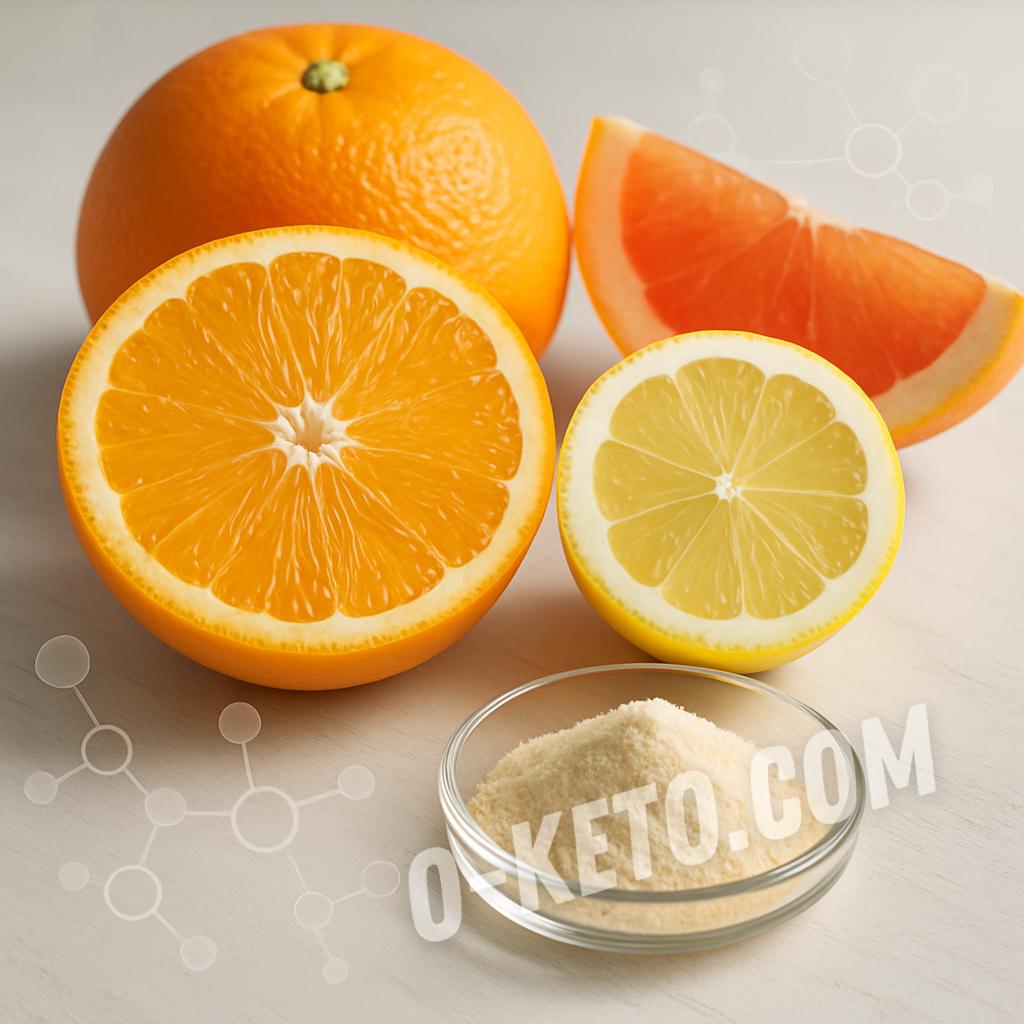
Hesperidin is a flavanone glycoside characteristic of citrus fruits, especially oranges, mandarins, and the white part of the peel. In the body, intestinal microbiota can convert it into hesperetin and other metabolites, which are then absorbed and processed by the liver. Its effect therefore depends not only on the amount in a product but also on microbiota, supplement form, food timing, and gut status. Hesperidin is studied in relation to vascular function, inflammation, oxidative stress, venous tone, and lipid metabolism, but it is not a cure for varicose veins, hypertension, or metabolic syndrome.
Where it is found
The main food sources are citrus fruits. More flavanones are found not in sweet juice itself but in pulp, membranes, the white pith, and zest. A whole orange is therefore different from strained juice, which contains more sugar and less fiber. On a low-carbohydrate diet this matters greatly. Juice can easily provide too much glucose and fructose, while small amounts of zest, lemon juice, lime, or citrus pulp in a dish can provide flavor without a large carbohydrate load.
In supplements, hesperidin may be ordinary, micronized, or combined with diosmin. Such complexes are often discussed in chronic venous insufficiency and hemorrhoids, but doses and indications differ from ordinary citrus intake. If there is marked swelling, pain, skin trophic changes, or suspicion of thrombosis, a supplement does not replace venous ultrasound and medical assessment.
Vessels and inflammatory background
Interest in hesperidin comes from the ability of citrus flavanones to influence endothelium, oxidative stress, inflammatory signals, and microcirculation. In some studies they are associated with modest improvement in vascular markers or symptoms of venous insufficiency. This is not a rapid painkiller-like effect and not a reason to ignore blood pressure, body weight, salt, movement, sleep, and medications. Blood vessels respond to the whole lifestyle, not one polyphenol.
With varicose veins and heavy legs, walking, the calf muscle pump, indicated compression, weight reduction, and diagnosis of venous reflux matter. Hesperidin may be an auxiliary element when tolerated, but it does not mechanically repair venous valves. With hypertension the logic is similar. Citrus flavonoids may be part of the diet, but pressure is controlled through measurements, sodium strategy, body weight, physical activity, sleep, and prescribed therapy.
Keto and practical use
On keto, hesperidin is easier to use through small citrus additions rather than orange juice. Lemon or orange zest, a little lemon juice, sugar-free citrus sauces, and marinades for fish, poultry, and salads add aroma and acidity. This improves the taste of fatty dishes and may reduce the desire for sweet sauces. Whole oranges, mandarins, and especially juice still require carbohydrate accounting and attention to individual glucose response.
If a person takes blood pressure medication, anticoagulants, antiplatelet drugs, liver-related medications, or has gallbladder and gastrointestinal disease, concentrated flavonoid supplements should be discussed with a clinician. Citrus can also trigger reflux, mucosal irritation, or allergic reactions in sensitive people. In those cases, the potential usefulness of a polyphenol does not override individual tolerance.
Diosmin-hesperidin venotonic complexes usually make the most sense as a course for a specific complaint, not as a permanent supplement for vessels in general. If leg heaviness improves but swelling remains, the cause should be considered more broadly: venous reflux, lymphatic congestion, medication effects, heart or kidney disease, sodium balance, body weight, and prolonged sitting. A supplement may soften symptoms, but it should not delay diagnosis when pain, asymmetry, or skin changes are present.
How to judge benefit
Hesperidin is best considered part of the broader citrus and polyphenol picture rather than a single miracle compound. If the diet is rich in protein, vegetables, fish, olive oil, greens, spices, and fermented foods, small citrus accents can be a good addition. If the diet consists of sweet juice and pastry, the presence of hesperidin does not make it vascular-friendly. The practical criterion is simple: the product should improve flavor and diet quality without disrupting glucose, digestion, or treatment.
If you have any questions about the term "Hesperidin", you can ask them to AI. Please note, a low-cost OpenAI model is used. It may answer questions about disease treatment with errors!


 1 / 4
1 / 4

 1 / 4
1 / 4 1 / 4
1 / 4 1 / 4
1 / 4