


Phytosterols
Plant sterols and stanols partially compete with cholesterol for absorption in the intestine, so they can moderately lower LDL levels with regular consumption. It is important to understand that this is not a standalone treatment for atherosclerosis, but one of the supportive dietary tools that should be evaluated in conjunction with the overall diet, lipid profile, and tolerance.
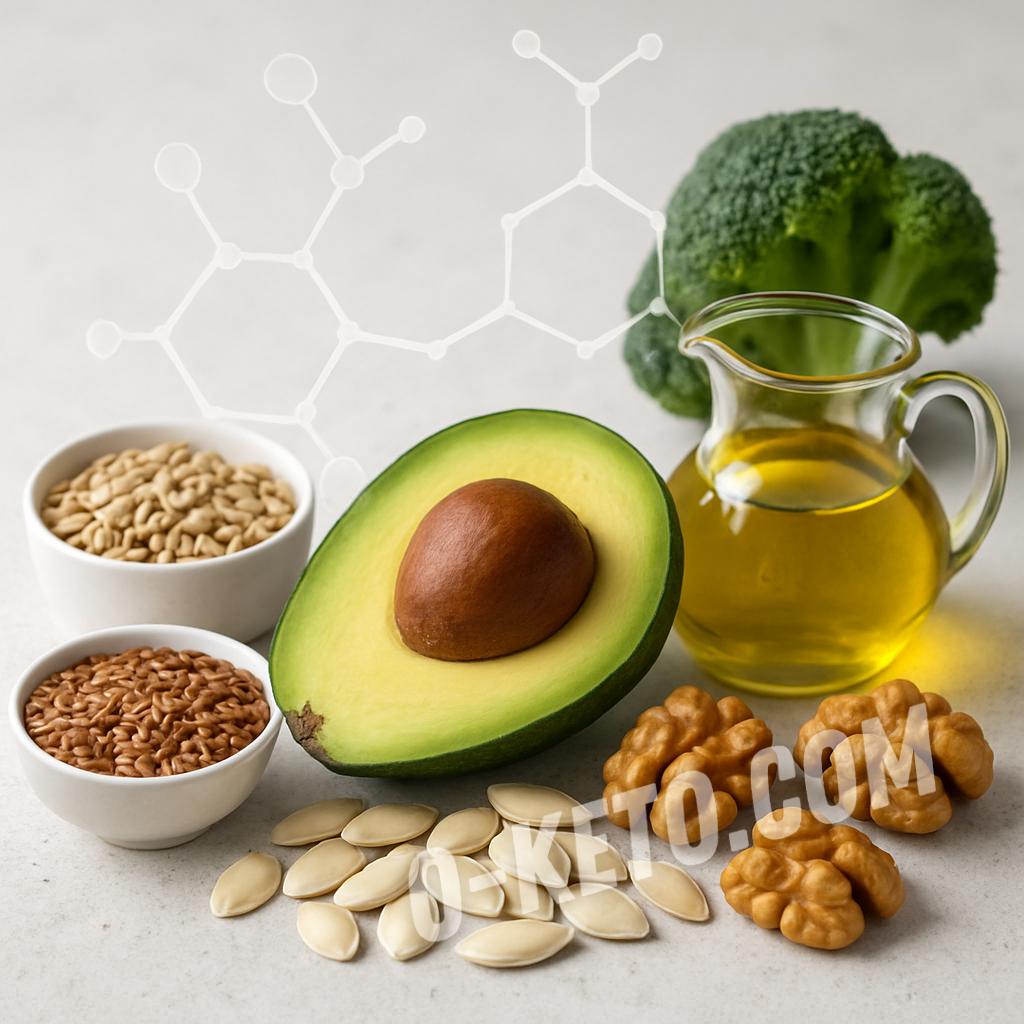
Phytosterols are plant sterols and stanols that are structurally similar to cholesterol. They are not the same as cholesterol and do not perform fully identical functions in the body, but their similar structure makes them important from a nutritional standpoint. The practical interest in them is primarily due to their ability to partially compete with cholesterol for absorption in the intestine, which means they can moderately influence the lipid profile in some individuals, particularly the level of LDL.
There are often two extremes regarding phytosterols. The first is to consider them almost a natural remedy for atherosclerosis. The second is to regard them as a meaningless marketing additive. The reality is more complex. They are not a magical solution for blood vessels, but they are also not an empty ingredient. Their effect depends on the dose, frequency of consumption, overall dietary composition, baseline lipid levels, and the specific task the individual is addressing: preventive, supportive in the context of dyslipidemia, or maintenance in the presence of known cardiovascular risk.
What are these substances
Phytosterols are natural components of plant cell membranes. For plants, they functionally resemble the role of cholesterol in animal tissues. In regular food, humans obtain them from nuts, seeds, vegetable oils, avocados, legumes, and some whole plant products. They are most often discussed in the context of fortified products and special supplements, where the concentration is already significantly higher than in a standard serving of food.
The term is often used generically, although this group includes various compounds. The most well-known are beta-sitosterol, campesterol, and stigmasterol. For the average reader, it is not always critical to remember each name, but it is important to understand that this is not one isolated element, but a family of similar compounds. That is why the literature and packaging may refer to both the term “phytosterols” and more specific names of individual representatives.
How they affect cholesterol metabolism
The main mechanism is related to the intestine. When both cholesterol and phytosterols are present in the intestinal lumen, the latter partially hinder cholesterol from being incorporated into micelles and absorbed fully. As a result, some dietary and biliary cholesterol is less effectively returned to the body and is excreted more. This does not mean that phytosterols “clean the vessels” directly; they work earlier — at the stage of absorption and the recycling of cholesterol.
Therefore, they are most often discussed as an auxiliary tool for lowering LDL. The effect is usually moderate rather than dramatic. It can be beneficial in situations where a person is already working on their diet, weight, insulin resistance, and overall metabolic risk, but wants to add another dietary factor with a predictable mechanism. However, if a person has significant familial hypercholesterolemia, severe inflammation, smoking, diabetes, and high cardiovascular risk, phytosterols alone will clearly be insufficient.
Where they are found in food
Natural sources include nuts, seeds, tahini, some unrefined oils, avocados, legumes, and whole plant products. But there is an important practical point: obtaining clinically significant amounts solely from everyday food may not be that simple, especially if a person does not eat many grains and legumes or limits the overall volume of plant food. Therefore, studies often use either supplements or products with technologically enhanced phytosterol content.
For keto and LCHF, there is a nuance. Some familiar industrially fortified products with phytosterols are not made in a very low-carbohydrate format. Therefore, for someone on a low-carbohydrate diet, it is important to look not only at the presence of the sterols themselves but also at the overall composition of the product: sugars, starches, cheap oils, and the degree of processing. More appropriate sources in this context are often nuts, seeds, avocados, and specific supplements, rather than any ready-made “healthy spreads” and desserts with attractive labels on the packaging.
When phytosterols may be beneficial
The most logical scenario is moderately elevated LDL or an unfavorable lipid profile when a person is already engaged in nutrition, body weight, physical activity, and wants to add additional non-pharmacological support. Phytosterols may also be discussed in a preventive context for individuals with a familial tendency toward dyslipidemia if the doctor and the individual are focusing on a multi-component risk reduction strategy.
However, it is important to remember that lipid metabolism cannot be reduced to a single LDL indicator. If high cholesterol is accompanied by insulin resistance, high ApoB, hypertriglyceridemia, inflammation, smoking, and hypertension, then phytosterols may only be a small part of the overall scheme. They do not automatically fix the problem if a person continues to live in a metabolically unfavorable manner.
Limitations and controversial points
Not everyone needs supplements with phytosterols simply because of the words “cholesterol” or “vessels.” For some individuals, the reduction of LDL on them will be moderate, and for others, minimal. Additionally, there are rare hereditary disorders of sterol metabolism for which such products are not suitable at all. In routine practice, this is not the most common scenario, but it serves as a reminder that even “plant-based” and “natural” do not automatically equal safe for everyone without exception.
Another important point is that they may slightly reduce the absorption of some fat-soluble compounds, including carotenoids. This is not a reason to be afraid of phytosterols, but rather a reminder that the diet should remain balanced and not be built around a single functional supplement. If a person eats very poorly but hopes that phytosterols will solve their vascular issues, this is flawed logic.
How to assess them practically
Phytosterols are best viewed as an auxiliary tool within a system rather than as a standalone strategy. If a person is working on their lipid profile, it is usually more important to first understand the overall background: whether it is an energy surplus, insulin resistance, hypothyroidism, familial dyslipidemia, alcohol excess, chronic inflammation, or another condition. Only after this becomes clear can it be understood how justified it is to add phytosterols and in what format.
The most mature approach is not to argue whether they are “beneficial” or “useless,” but to ask a specific question: will they help in this particular situation, against this diet, and at this level of risk? In this framing, phytosterols occupy their normal place: not a miracle remedy, but not an empty formality either, if used thoughtfully and alongside other lifestyle corrections.
If you have any questions about the term "Phytosterols", you can ask them to AI. Please note, a low-cost OpenAI model is used. It may answer questions about disease treatment with errors!


 1 / 4
1 / 4
 1 / 4
1 / 4

 1 / 4
1 / 4