


Atherosclerosis
A chronic process inside arterial walls in which inflammation, lipoproteins, blood pressure, glucose, smoking and immune reactions form plaques. The key issue is not only cholesterol, but ApoB, endothelial function, metabolic context and plaque stability.





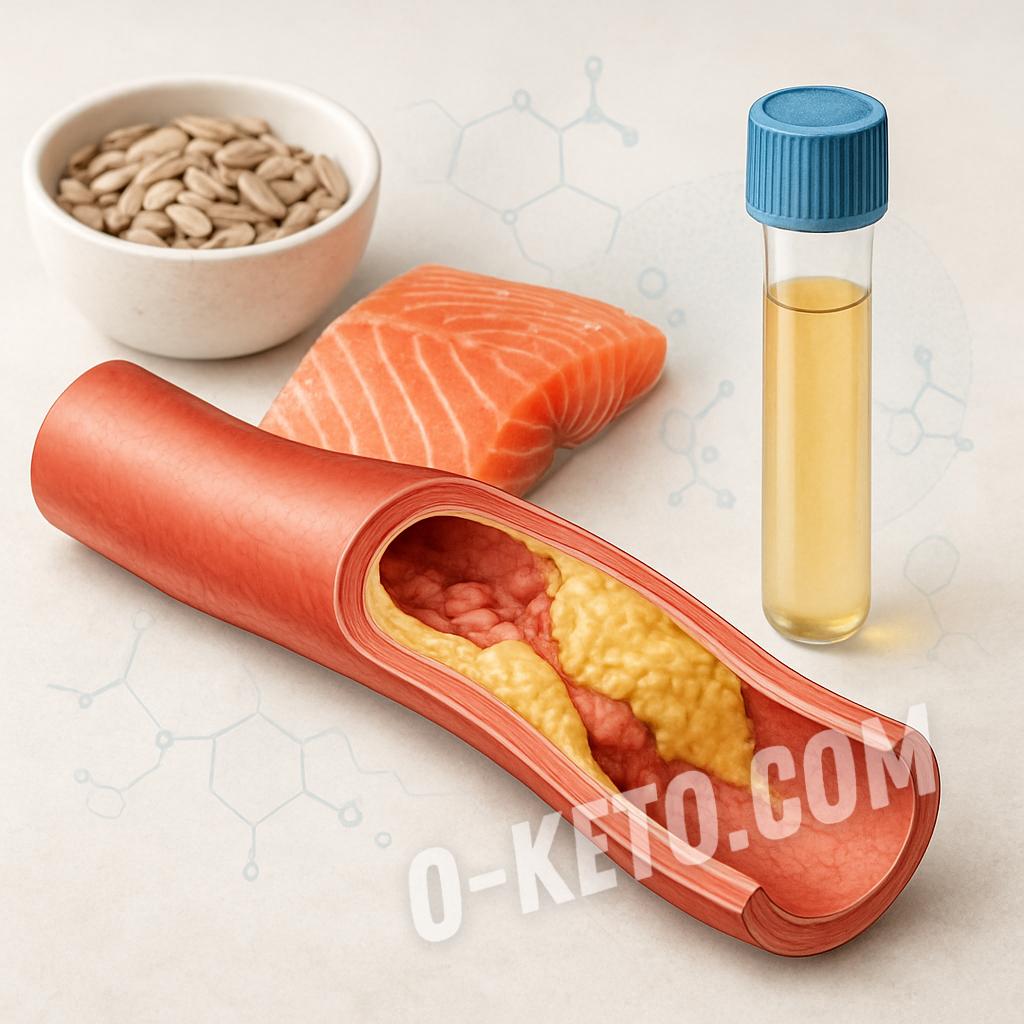
Atherosclerosis is a chronic process inside arterial walls in which lipoproteins, inflammation, immune cells, blood pressure, glucose and endothelial function gradually lead to plaque formation. It is not a simple clogging of vessels with fat, but an active response of the vessel wall to injury and metabolic stress.
Plaques can grow for years with few or no symptoms. The danger does not appear only when the vessel opening becomes severely narrowed. Sometimes a relatively small but inflamed and unstable plaque ruptures, triggers thrombosis and causes a heart attack, stroke or acute limb ischemia. Preventing atherosclerosis therefore means managing several risk mechanisms, not cosmetically lowering one laboratory number.
How a plaque develops
The process begins with impaired function of the endothelium, the inner layer of the artery. High blood pressure, smoking, chronic high glucose, insulin resistance, inflammation, oxidative stress, toxins, sleep apnea and genetic predisposition can all contribute. Through injured or poorly functioning endothelium, ApoB-containing lipoproteins, including LDL and remnant particles, enter the vessel wall more easily.
An immune response follows. Macrophages take up lipids, become foam cells, an inflammatory focus develops, connective tissue grows and calcification can appear. The body tries to isolate the damage, but the result is a plaque. If the fibrous cap is dense and stable, rupture risk is lower. If inflammation is active, the cap is thin and the lipid core is large, the risk of complications is higher.
Why cholesterol alone is not enough
Cholesterol is important, but total cholesterol is a very rough marker. Risk assessment is more useful when it includes ApoB, non-HDL cholesterol, LDL-C, triglycerides, HDL, lipoprotein(a), blood pressure, glucose, HbA1c, kidney function, smoking, age, family history and inflammatory context. Two people with the same LDL-C can have different risk because of blood pressure, diabetes, smoking or genetics.
ApoB reflects the number of atherogenic particles rather than only the mass of cholesterol inside them. This matters because particles enter the arterial wall. In insulin resistance, triglycerides often rise, remnant particles increase and the lipid profile changes. Normal body weight and normal glucose do not always guarantee low vascular risk, and elevated LDL-C should not be interpreted without context.
Nutrition, keto and LCHF
Low-carbohydrate nutrition can reduce several risk factors: body weight, waist size, glucose, insulin, triglycerides and blood pressure. For people with metabolic syndrome this can be a meaningful improvement in the vascular environment. But atherosclerosis is not canceled by a keto label. If the diet contains excess calories, few vegetables, no fish, low magnesium and constant overuse of saturated fat, the risk profile may worsen.
If LDL-C, ApoB or non-HDL cholesterol rises substantially on LCHF, this is a reason to review the strategy rather than panic. Sometimes replacing part of the butter and fatty meat with olive oil, fish, avocado, tolerated nuts, a reasonable amount of eggs, more greens and soluble fiber improves the picture. Sleep, training, not smoking and treating sleep apnea are also part of vascular care.
How risk is assessed
Assessment usually starts with blood pressure, a lipid panel, ApoB or non-HDL cholesterol, glucose, HbA1c, kidney function, family history and lifestyle. When indicated, clinicians may add lipoprotein(a), C-reactive protein, carotid ultrasound, ankle-brachial index, coronary calcium scoring or other imaging. These tests are not needed for everyone, but they help when ordinary markers do not give a clear picture.
It is important to separate prevention from treatment of established cardiovascular disease. After a heart attack, stroke, stenting, vascular surgery or documented significant plaques, lipid goals are usually stricter, and refusing medication in favor of diet can be dangerous. Food and movement still matter, but they do not replace therapy in high-risk patients.
When urgent care is needed
Immediate medical attention is needed for pressure-like chest pain, shortness of breath, sudden weakness or numbness on one side of the body, speech disturbance, loss of vision, a severe unusual headache, a cold pale limb, strong leg pain with walking or signs of thrombosis. Such symptoms should not be explained away as “bad vessels” while waiting for diet to work.
The practical goal of prevention is to reduce chronic injury to the arterial wall. That requires normal blood pressure, not smoking, glucose control, enough muscle activity, sleep, treatment of inflammatory and endocrine contributors, reasonable lipid management and a diet that can be maintained for years. A sustainable strategy is more valuable than an impressive plan that lasts two weeks.
If you have any questions about the term "Atherosclerosis", you can ask them to AI. Please note, a low-cost OpenAI model is used. It may answer questions about disease treatment with errors!


 1 / 4
1 / 4 1 / 4
1 / 4
 1 / 4
1 / 4 1 / 4
1 / 4


 1 / 4
1 / 4 1 / 4
1 / 4