


Omega-6 fatty acids
A family of fatty acids that includes linoleic, gamma-linolenic and arachidonic acids. Omega-6 fats are necessary, but modern diets often provide excess from sunflower, soybean and corn oils, deep-fried foods and industrial sauces while EPA/DHA intake is low.
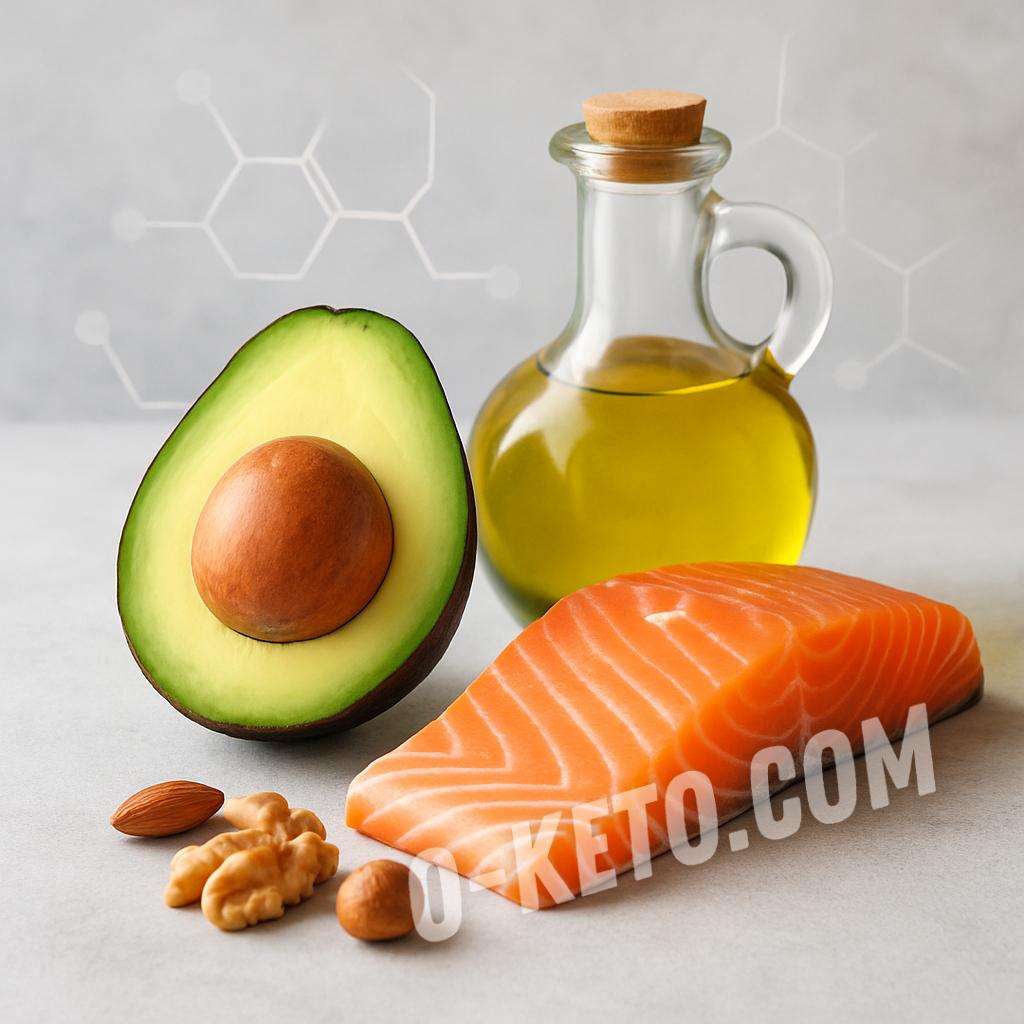
Omega-6 fatty acids are a family of polyunsaturated fats, not one “bad fat”. In nutrition, the most discussed members are linoleic acid LA, gamma-linolenic acid GLA, dihomo-gamma-linolenic acid DGLA and arachidonic acid AA. Linoleic acid is essential because humans cannot synthesize it from scratch and must obtain it from food. Arachidonic acid is part of membranes and participates in signaling-molecule production. GLA and DGLA sit between them in metabolic pathways and have their own roles.
For that reason, the statement “Omega-6 is harmful” is inaccurate. Without Omega-6 fats, normal skin, growth, membranes, immune responses and tissue repair would not work properly. The problem appears elsewhere: modern food often supplies too much linoleic acid from refined oils and too little EPA/DHA from fish and seafood. In that setting, the fatty-acid profile becomes one-sided, especially when obesity, insulin resistance, alcohol, poor sleep and chronic stress are also present.
Main Omega-6 forms
Linoleic acid is the most common dietary Omega-6. It is abundant in sunflower, corn, soybean, safflower and cottonseed oils, and is also found in nuts, seeds, poultry, pork and eggs. From LA, the body can produce GLA, then DGLA and arachidonic acid. The speed of these conversions depends on enzymes, age, hormonal status, nutrients, alcohol, inflammation and overall diet composition.
Arachidonic acid often worries people because of its connection with eicosanoids, pain and inflammation. Yet it is not simply a bad molecule. Its derivatives participate in normal immune responses, healing and vascular reactions. The question is balance and context. Eggs, meat and organ meats do not become harmful automatically because they contain AA; they should be evaluated together with diet quality, fish intake, metabolic markers and tolerance.
Where excess comes from
The main source of excess Omega-6 is not whole food, but refined oils and products that hide them. Sunflower oil used for frying, mayonnaise, store-bought dressings, deep-fried foods, snacks, chips, cookies, convenience foods, restaurant meals and ready-made sauces can provide a lot of LA every day. Even a low-carbohydrate product can have a poor fat profile if it is made with large amounts of sunflower or soybean oil.
Nuts and seeds are more nuanced. They contain Omega-6, but also provide minerals, fiber and a whole-food matrix. A small serving of almonds or walnuts is not the same as constant frying in refined oil. On keto, however, nuts can easily become an uncontrolled snack. Then the problem is not only LA, but also excess energy, gut irritation and displacement of proper protein meals.
Balance with Omega-3
Omega-6 and Omega-3 fats share some enzyme systems and influence membrane composition and signaling molecules. When LA is high and EPA/DHA is low, it is harder to maintain a favorable mediator balance. This does not mean every Omega-6 molecule should be treated as an enemy. The practical task is simpler: reduce excess refined seed oils and regularly obtain long-chain Omega-3s from fish, seafood or microalgae.
The ideal Omega-6 to Omega-3 ratio is often discussed, but precise calculations are rarely useful in everyday eating. People do not eat isolated acids; they eat meals. Removing deep-fried foods, commercial sauces and daily frying in sunflower oil, then adding sardines, herring, salmon or algae-derived DHA/EPA, usually improves the balance without mathematical obsession.
Omega-6 on keto and LCHF
A low-carbohydrate diet can improve or worsen the Omega-6 situation. It improves it when the person moves toward whole foods, fish, meat, eggs, vegetables, olive oil, avocado and homemade sauces. It worsens it when sugar is replaced by constant nut desserts, seed-oil baking, poor-quality mayonnaise, fried snacks and carbohydrate-free deep-fried foods. The absence of sugar does not automatically make poor-quality fats good.
For cooking, more heat-stable fats are usually preferable: olive oil, ghee, butter at moderate temperature, coconut oil, avocado oil or animal fat when tolerated. Oils high in linoleic acid are not the best universal option for frying, especially repeated frying. Their excess oxidizes more easily and quietly increases the Omega-6 share of the diet.
When to pay closer attention
Omega-6 intake deserves review with chronic inflammatory symptoms, skin problems, high triglycerides, marked insulin resistance, obesity, low fish intake, frequent nut snacking and heavy use of store-bought sauces. This does not mean eggs, poultry or all nuts must be urgently eliminated. It is better to find the main source first: frying oil, dressings, convenience foods, restaurants, snacks or industrial keto baking.
People with gallbladder, liver, pancreatic or intestinal disease, and those taking medications that affect inflammation or clotting, should not change fat intake abruptly with large doses of oils and supplements. Any correction should be gradual and guided by tolerance. Sometimes replacing the cooking oil, reducing mayonnaise and adding fish is enough to make the diet much calmer.
Practical takeaway
Omega-6 fatty acids are necessary, but the modern food environment can easily provide too much in the form of refined oils. For keto and LCHF, the key is not to declare Omega-6 forbidden, but to separate normal whole foods from industrial excess. Eggs, meat, nuts and seeds can be judged by portion and tolerance; deep-fried foods and cheap oils should be judged by their real contribution to diet imbalance.
The best approach is to cook with more stable fats, eat enough protein, include fish or algae-derived Omega-3s regularly and avoid turning nuts into constant snacks. Then Omega-6 fats remain part of physiology rather than a symbol of inflammatory, processed eating.
If you have any questions about the term "Omega-6 fatty acids", you can ask them to AI. Please note, a low-cost OpenAI model is used. It may answer questions about disease treatment with errors!


 1 / 4
1 / 4 1 / 4
1 / 4


 1 / 4
1 / 4
 1 / 4
1 / 4