


Electrolytes
Minerals and ions that carry electrical charge and regulate water, blood pressure, nerves, muscles, heart rhythm and acid-base balance. On keto, sodium, potassium and magnesium are often most noticeable, but they should not be taken blindly, especially with kidney or heart disease, diuretics or blood pressure medications.


Electrolytes are substances that carry electrical charge in solution. The main body electrolytes include sodium, potassium, chloride, bicarbonate, calcium, magnesium and phosphate. They regulate fluid volume, blood pressure, nerve impulses, muscle contraction, heart rhythm, acid-base balance and kidney function. Electrolytes are therefore not merely a fashionable sports supplement, but a basic part of physiology.
On keto and LCHF, electrolytes often become noticeable during the first weeks. When insulin falls, the kidneys usually excrete more sodium and water, and glycogen stores decrease along with the water they hold. Weakness, dizziness, headache, palpitations, cramps, salt cravings and the feeling called “keto flu” may be related to water, sodium, potassium and magnesium. Similar symptoms can also come from anemia, infection, thyroid problems, arrhythmias, medications and dehydration, so they should not automatically be blamed on keto.
Sodium and chloride
Sodium is the main extracellular cation, while chloride is an important extracellular anion and a component of stomach acid. Together they usually arrive as table salt. Sodium helps maintain blood volume and extracellular fluid, and it participates in nerve conduction and muscle function. With a sharp reduction in carbohydrates, heat, sweating, training, sauna use or low blood pressure, sodium needs may increase.
Salt is not a universal medicine. With hypertension, heart failure, chronic kidney disease, edema, cirrhosis, diuretic use and some endocrine disorders, increasing salt can be dangerous. Blood pressure, pulse, swelling, thirst, medications and blood tests should be considered. One person on keto may need extra salt in broth, while another may need medically supervised sodium restriction.
Potassium
Potassium is the main intracellular electrolyte. It is needed for heart rhythm, nerve signaling, muscles, blood pressure and cell function. Food sources include avocado, leafy greens, fish, meat, mushrooms, spinach, zucchini, broccoli and some mineral waters. In low-carb eating, potassium is best obtained primarily from food because tablets and salt substitutes can deliver risky amounts quickly.
Excess potassium is especially risky with reduced kidney function, ACE inhibitors, angiotensin receptor blockers, potassium-sparing diuretics, some NSAIDs and dehydration. High potassium can disturb heart rhythm and may be dangerous without obvious early symptoms. Advice to simply add potassium is poor advice when kidney function, medications and baseline electrolytes are unknown.
Magnesium, calcium and phosphate
Magnesium participates in neuromuscular regulation, energy metabolism, muscle relaxation, enzyme function and insulin sensitivity. On keto, it is often discussed with cramps, constipation, irritability and poor sleep. Magnesium supplements differ by form: citrate often loosens stools, glycinate is usually gentler, and oxide is often poorly tolerated. Large doses can cause diarrhea, and in severe kidney disease magnesium may accumulate.
Calcium is needed for bones, muscle contraction, blood clotting and nerve transmission. Phosphate participates in ATP, bones, membranes and buffering systems. These electrolytes are regulated together with vitamin D, parathyroid hormone and the kidneys. Self-prescribed high doses of calcium, phosphorus or vitamin D can disturb the balance, especially with kidney stones, hypercalcemia, chronic kidney disease or parathyroid disorders.
Bicarbonate and acid-base balance
Bicarbonate is an important blood buffer. It helps maintain acid-base balance together with the lungs and kidneys. During ordinary keto adaptation, the body produces ketone bodies, but in a healthy person blood pH stays within a narrow range. This is not the same as diabetic ketoacidosis, which is a dangerous condition usually related to insulin deficiency in type 1 diabetes or severe metabolic stress.
With diabetes, SGLT2 inhibitor use, vomiting, severe infection, dehydration, confusion, deep noisy breathing or very high ketones while feeling ill, medical evaluation is needed. Electrolyte drinks do not treat ketoacidosis. It is important not to confuse ordinary nutritional ketosis with a pathological acid-base disorder.
How to use electrolytes on keto
Practically, electrolyte management starts with the basics: enough water, salt according to context, whole foods, greens, fish, meat, avocado, mineral water, magnesium when indicated and blood-pressure awareness. People who train hard, sweat, use saunas or live in hot climates may need more. People with edema, hypertension, kidney disease or heart disease need a more cautious approach.
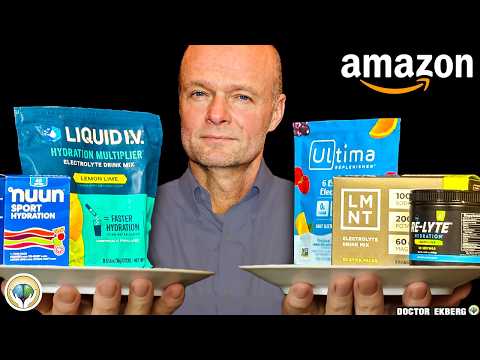
Ready-made electrolyte mixes should be read carefully. They may contain sugar, very little actual mineral content, too many sweeteners or an unsuitable amount of potassium. Sometimes salty broth and magnesium at night do more than an attractive tub of powder. Persistent weakness, arrhythmias, fainting, intense thirst, severe diarrhea or vomiting require blood tests and medical judgment, not guessing doses.



If you have any questions about the term "Electrolytes", you can ask them to AI. Please note, a low-cost OpenAI model is used. It may answer questions about disease treatment with errors!


 1 / 4
1 / 4 1 / 4
1 / 4

 1 / 4
1 / 4 1 / 4
1 / 4


 1 / 4
1 / 4 1 / 4
1 / 4