


Type 1 diabetes
An autoimmune disease with absolute or severe insulin deficiency requires lifelong insulin therapy and careful glucose management, not diet changes alone. A low-carbohydrate diet may reduce glucose swings, but it requires dose adjustment, ketone awareness and protection from hypoglycemia.



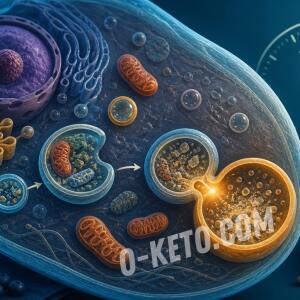
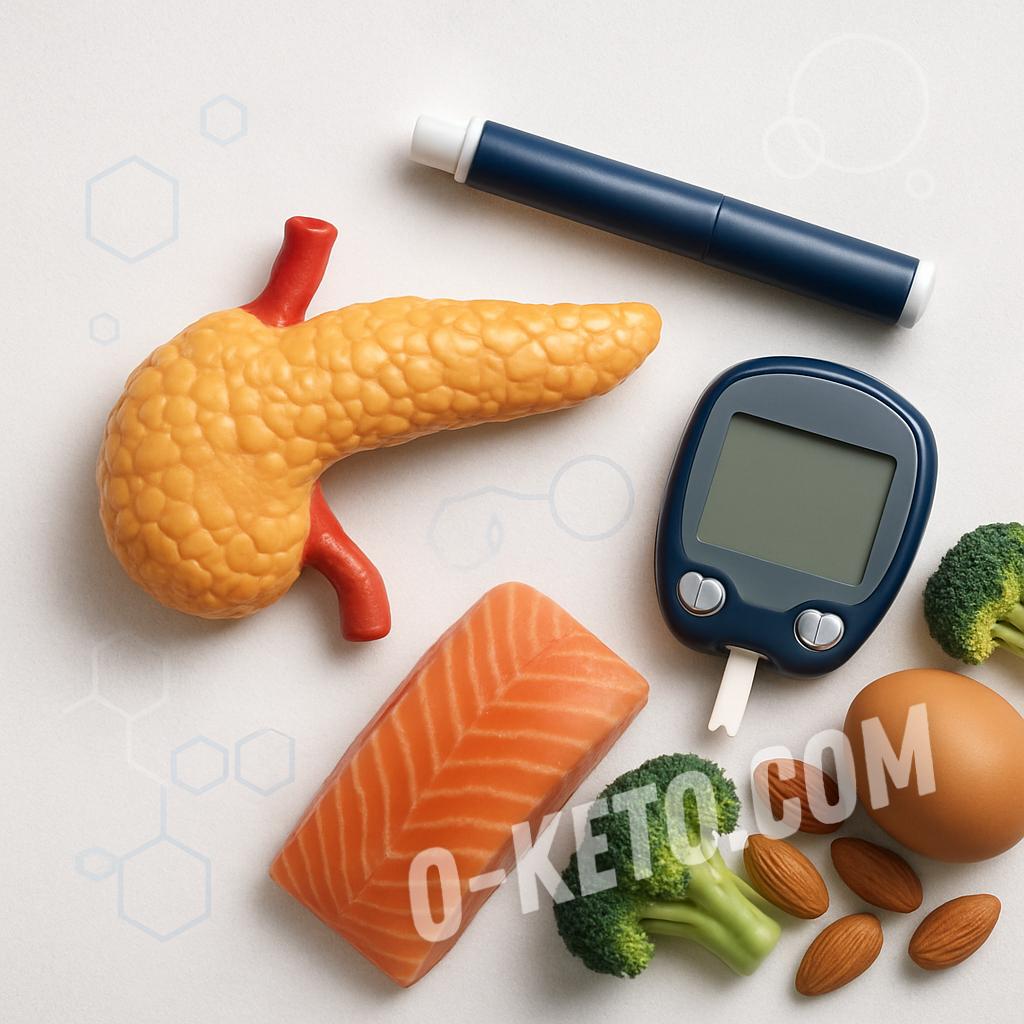
Type 1 diabetes is an autoimmune disease in which the immune system destroys the pancreatic beta cells that produce insulin. As insulin production falls, the body loses the ability to cover its insulin needs on its own, and lifelong insulin therapy becomes necessary. This is the central difference from type 2 diabetes. The problem is not only insulin resistance or food choices, but a lack of the hormone that allows glucose and fat metabolism to remain under control.
The disease can begin in childhood, adolescence or adulthood. In adults, a slower autoimmune form may initially be mistaken for type 2 diabetes. Common signs of decompensation include intense thirst, frequent urination, weight loss, weakness, blurred vision, acetone-like breath, nausea, abdominal pain and sleepiness. When insulin is severely lacking, diabetic ketoacidosis can develop. This is not nutritional ketosis; it is a dangerous emergency state.
Glucose, insulin and ketones
Insulin is needed for more than lowering glucose after meals. It restrains excessive glucose output from the liver, regulates fat breakdown, limits uncontrolled ketone production and helps cells use energy appropriately. In type 1 diabetes, too little insulin can lead to high glucose and high ketones at the same time. This combination causes dehydration, electrolyte loss and acidification of the blood.
People with type 1 diabetes therefore need to distinguish nutritional ketosis with adequate insulin from ketoacidosis caused by insulin deficiency. Low carbohydrate intake does not protect against ketoacidosis if basal insulin is missed, an insulin pump fails, infection develops, vomiting occurs, dehydration worsens or stress hormones surge. High glucose, feeling unwell and elevated ketones require a pre-agreed medical action plan rather than waiting for the situation to resolve.
Food and low-carbohydrate eating
A low-carbohydrate approach can reduce post-meal glucose spikes, lower the need for large bolus doses and make glucose control more predictable. It works best when carbohydrate counting, protein effects, fat-delayed digestion, basal insulin and monitoring are understood. With fewer carbohydrates, errors in carbohydrate counting may become smaller, but protein, fat, gastric emptying and physical activity become more visible.
The diet still has to be nutritionally complete. It should provide enough protein for growth, muscle and repair, appropriate fats, tolerated vegetables or fiber, minerals and fluids. In children and adolescents, low-carbohydrate eating should never become an overly restrictive pattern that compromises growth, social life or psychological health. The goal is stable glucose and normal development, not the lowest possible carbohydrate intake at any cost.
Insulin, monitoring and hypoglycemia
Insulin is not stopped because of keto, fasting or good glucose values. Doses, timing and profiles may change, but basal insulin usually remains essential. Continuous glucose monitors, insulin pumps and hybrid closed-loop systems can greatly improve daily management, yet they still require knowledge. The person needs to understand trend arrows, alarms, site failures, backup injections and how to act when glucose is falling quickly.
Hypoglycemia remains the main daily risk. It can result from too much insulin, a missed meal, unplanned exercise, alcohol, illness, weight loss or increased insulin sensitivity. Symptoms may include shaking, sweating, palpitations, hunger, anxiety, confusion and weakness. In some people warning signs become less obvious, which makes reliable monitoring more important than the belief that every low glucose episode will be felt in time.
When medical help is needed
Danger signs include persistently high glucose with ketones, vomiting, dehydration, abdominal pain, rapid breathing, sleepiness, confusion, inability to keep fluids down, pump failure or missed basal insulin. In these situations, simply waiting or continuing to fast is unsafe. Ketone measurement, correction insulin according to a plan, fluids, electrolytes and contact with a clinician or emergency service may be needed.
Good type 1 diabetes care combines insulin, nutrition, technology, education, sleep, physical activity and psychological support. A low-carbohydrate diet can be a useful tool, but it does not replace insulin and does not turn the disease into a simple diet problem. The most important goals are safety, predictability and the ability to live normally without constant fear of food or numbers.
If you have any questions about the term "Type 1 diabetes", you can ask them to AI. Please note, a low-cost OpenAI model is used. It may answer questions about disease treatment with errors!


 1 / 4
1 / 4
 1 / 4
1 / 4


 1 / 4
1 / 4


 1 / 4
1 / 4