


Fasting insulin
Fasting insulin measures how much insulin the pancreas releases after an overnight fast to maintain fasting glucose. It is used when insulin resistance, hyperinsulinemia, hypoglycemia or indices such as HOMA-IR need context.


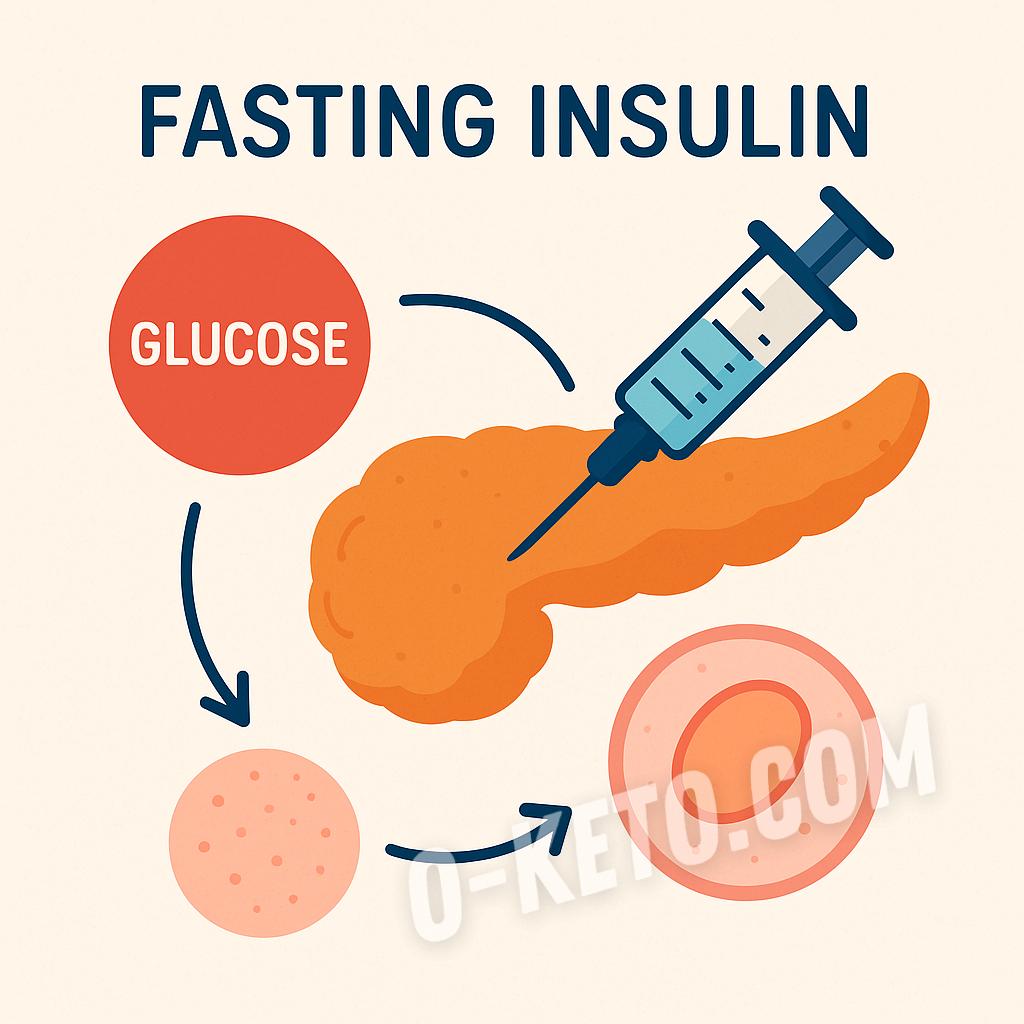
Fasting insulin measures insulin concentration after a period without food, usually after an overnight fast. It is not the same as glucose: glucose shows the blood sugar level, while insulin shows how much hormonal effort the body needs to maintain that level.
Insulin is produced by pancreatic beta cells and helps glucose enter cells. It also affects energy storage, fat synthesis, breakdown of fat tissue, protein metabolism and liver output of glucose. That is why the test can be relevant not only in diabetes, but also in metabolic syndrome, obesity, PCOS, suspected hypoglycemia and early insulin resistance.
What it helps clarify
High insulin with normal or high glucose can point toward insulin resistance and compensatory hyperinsulinemia. In this situation the pancreas is still coping, but it is doing so by secreting more hormone. Blood glucose can remain “normal” while the metabolic workload is already high.
Low insulin with high glucose suggests inadequate secretion or significant beta-cell failure. During episodes of weakness, sweating, shaking, hunger and low sugar, insulin is interpreted together with glucose, C-peptide, proinsulin and sometimes other tests to separate reactive hypoglycemia, medication causes and rare insulin-secreting tumors.
Why glucose from the same draw matters
Insulin cannot be interpreted separately from glucose. The same insulin value may be normal at one glucose level, high at another and insufficient at a third. For practical assessment, fasting glucose and fasting insulin are often measured together and used to calculate HOMA-IR or similar indices.
HOMA-IR is not a perfect test, but it helps show the relationship between glucose and insulin. It performs poorly in non-standard situations such as type 1 diabetes, insulin therapy, marked hyperglycemia, pregnancy, acute illness and severe liver or kidney disease. In those cases clinicians choose other methods.
How to prepare
The test is usually drawn in the morning after 8-12 hours without food unless the clinician gives different instructions. The day before, avoid an unusually hard workout, heavy alcohol intake, overeating or extreme fasting. Otherwise the result may reflect the experiment before the test rather than ordinary metabolism.
Coffee, nicotine, poor sleep, stress, acute infection and some medications can change the hormonal response. Glucose-lowering drugs, glucocorticoids, hormone therapy, diuretics and other metabolism-affecting drugs should be reported. If a person already uses insulin, interpretation requires a separate approach.
Low-carb nutrition and insulin
During LCHF, fasting insulin often decreases because the need to handle large carbohydrate loads decreases. This can be a good sign when waist size, blood pressure, triglycerides, appetite, sleep and well-being improve at the same time. Very low insulin, however, is not a goal by itself.
If strict keto is accompanied by weakness, insomnia, menstrual disruption, poor recovery, feeling cold, constant hunger or glucose drops, the view has to broaden: calories, protein, salt, magnesium, stress, thyroid status and medications matter. Lower insulin should be part of metabolic improvement, not the price of chronic under-eating.
What to compare it with
Fasting insulin is best read with fasting glucose, HbA1c, triglycerides, HDL, waist circumference, blood pressure, liver enzymes and symptoms. In PCOS, cycle pattern, androgens, body weight, acne, hair growth and ovulation also matter. In diabetes or when glucose-lowering medication is used, diet and dose changes need medical supervision because hypoglycemia risk can change quickly.
What not to do with the result
Any insulin value above an “ideal” number should not automatically be treated as a diagnosis. Recent weight gain, poor sleep, inflammation, stress or a high-carbohydrate pattern can temporarily raise the value. But persistently high insulin should not be ignored when waist size, triglycerides, blood pressure, appetite and sleepiness after meals are also increasing. The repeated pattern matters.
For follow-up, compare tests drawn under similar conditions. If food, sleep, weight, training or medication changed, a repeat test after several weeks or months may be more useful than a single value. The goal is not to drive insulin toward zero, but to reduce excessive secretion while preserving energy, muscle, hormone function and safe glucose.
If you have any questions about the term "Fasting insulin", you can ask them to AI. Please note, a low-cost OpenAI model is used. It may answer questions about disease treatment with errors!


 1 / 4
1 / 4


 1 / 4
1 / 4


 1 / 4
1 / 4 1 / 4
1 / 4