


Hyperglycemia
Blood glucose above the normal range: it is important to distinguish a single post-meal rise from persistent dysregulation, diabetes, medication effects, and stress responses.




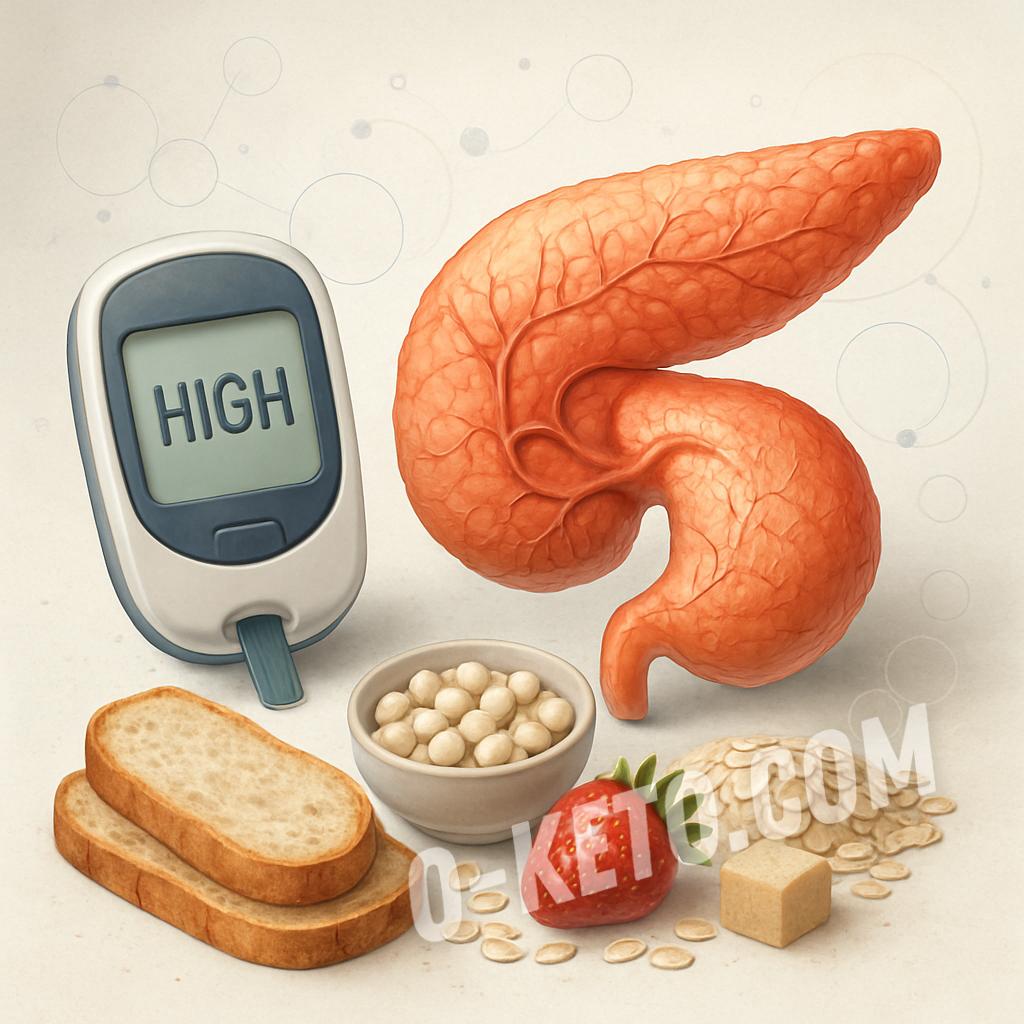
Hyperglycemia means blood glucose above the normal range. It can be brief after a meal, stress-related during infection or trauma, medication-induced, connected with diabetes, insulin resistance, pregnancy, endocrine disorders, or simply too much carbohydrate for the current tolerance. The word itself is not a diagnosis. Numbers, timing, symptoms, food, medication, illness, sleep, physical activity, and repeatability all matter.
When glucose is considered high
Glucose is usually assessed fasting, after meals, through HbA1c, and sometimes with continuous glucose monitoring. Diagnostic thresholds for diabetes include repeated fasting glucose of 7.0 mmol/L or higher, random glucose of 11.1 mmol/L or higher with symptoms, two-hour glucose of 11.1 mmol/L or higher during an oral glucose tolerance test, or HbA1c of 6.5 percent or higher. Prediabetes lies below these values but already shows increased risk. A home glucose meter is useful for observation, but diagnosis should not be based on one random measurement without context.
After eating, glucose can rise even in a healthy person, but the height and duration of the rise matter. A quick return to baseline is different from a prolonged plateau. On a low-carbohydrate diet, some people see higher morning glucose despite good daytime readings. This may reflect the dawn phenomenon, cortisol, poor sleep, late meals, stress, or adaptation to low carbohydrate intake. Morning glucose is therefore read together with HbA1c, insulin, waist size, triglycerides, HDL, and daytime food responses.
Symptoms and risks
Moderate hyperglycemia may be silent for a long time. More pronounced elevations can cause thirst, frequent urination, dry mouth, fatigue, blurred vision, itching, slow wound healing, and recurrent infections. Very high glucose with nausea, vomiting, abdominal pain, acetone breath, drowsiness, confusion, or rapid breathing requires urgent medical help, especially in type 1 diabetes, pregnancy, infection, or SGLT2 inhibitor use.
The main danger of chronic hyperglycemia is damage to blood vessels and nerves. The retina, kidneys, peripheral nerves, heart, brain, skin, and immune defense can all suffer. Glucose lowering still needs to be done wisely. In a person using insulin or glucose-lowering medication, a sharp carbohydrate reduction without treatment adjustment can cause hypoglycemia. Nutrition and medication should therefore work together, not pull in opposite directions.
Nutrition, keto, and causes of spikes
Low-carbohydrate eating often lowers post-meal glucose peaks because it removes the main sources of rapid rises: sugar and starch. Diet quality still matters. Severe sleep restriction, chronic stress, infection, dehydration, late alcohol, lack of movement, excess calories, and some medications can raise glucose even when carbohydrates are low. Glucocorticoids, some diuretics, atypical antipsychotics, niacin, and several hormonal states require separate attention.
If glucose rises after a specific food, it is useful to look beyond sugar alone: portion size, starch, liquid form, combination with protein and fat, time of day, and activity after the meal all matter. The same yogurt, berries, or vegetables can produce different responses in the morning and evening. Walking after meals, resistance training, adequate protein, lowering visceral fat, and normal sleep often help more than endless hunting for one forbidden food.
Continuous glucose monitoring can reveal hidden patterns: night rises, reactions to late dinners, differences between liquid and solid carbohydrates, and the effects of walking or training. CGM is not absolute truth. The sensor measures interstitial glucose with a delay, can be inaccurate during rapid changes, and should be checked with a finger-stick meter when values do not fit symptoms. Its strength is not one number but the repeated pattern.
How to monitor
Practical control is built on repeatable data. Fasting glucose, measurements one and two hours after questionable foods, HbA1c, sometimes fructosamine or CGM each show different parts of the picture. HbA1c can be distorted by anemia, altered red blood cell lifespan, pregnancy, kidney disease, and some deficiencies, so it should not be read alone. The goal is not a perfectly flat line at any cost, but safe glucose without hypoglycemia, good energy, adequate nutrition, and lower long-term risk.
If you have any questions about the term "Hyperglycemia", you can ask them to AI. Please note, a low-cost OpenAI model is used. It may answer questions about disease treatment with errors!


 1 / 4
1 / 4 1 / 4
1 / 4

 1 / 4
1 / 4 1 / 4
1 / 4 1 / 4
1 / 4 1 / 4
1 / 4