


Oral glucose tolerance test
A test using a glucose drink and timed blood glucose measurements; it helps detect diabetes, prediabetes, and gestational diabetes, but preparation matters.
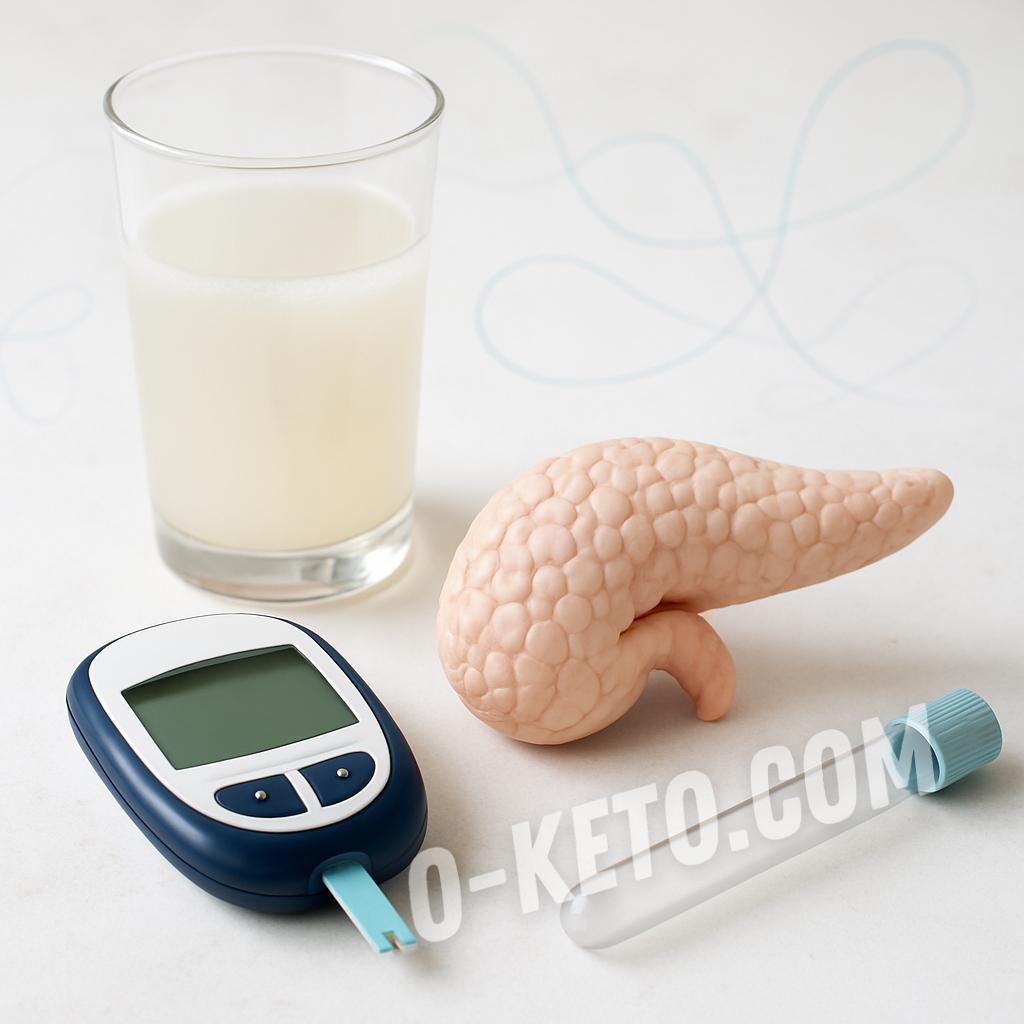
The oral glucose tolerance test, or OGTT, evaluates how the body handles a standard glucose dose. Usually fasting glucose is measured first, then the person drinks a solution containing a specified amount of glucose, often 75 g for non-pregnant adults, and blood is taken again at scheduled times. The two-hour value is often central, but some protocols include intermediate measurements. The test is used to diagnose diabetes, prediabetes, gestational diabetes, and impaired glucose tolerance.
What the test shows
OGTT shows not only starting glucose but also the ability to secrete insulin, move glucose into tissues, and return blood sugar to a safer level. A person may have normal fasting glucose but high glucose two hours after the load. This suggests impaired post-meal regulation that a fasting test may miss. The test is therefore useful when early carbohydrate metabolism problems, gestational diabetes, or mismatch between HbA1c and symptoms are suspected.
In classic interpretation, two-hour glucose below 7.8 mmol/L is considered normal, 7.8–11.0 mmol/L suggests impaired glucose tolerance, and 11.1 mmol/L or higher is in the diabetes range when confirmed according to rules. In pregnancy, thresholds differ and depend on the protocol used. Results should therefore be read according to the specific laboratory criteria, not a random table.
Preparation
Preparation strongly affects the result. For several days before the test, abrupt carbohydrate restriction is usually not recommended when the goal is standard diagnosis of glucose tolerance. After prolonged strict keto, the response to 75 g of glucose may look worse because muscles are temporarily adapted to fatty acids and lower insulin. This does not always mean the same risk as in a person eating a usual high-carbohydrate diet, but it can distort the diagnostic picture. Preparation is best discussed with a clinician.
An overnight fast is usually required, but not prolonged fasting. The day before, ordinary food, no very hard training, no alcohol, no acute illness, and no extreme stress are important. Some medications affect glucose: glucocorticoids, diuretics, beta-agonists, antipsychotics, hormonal drugs, and others. They should not be stopped independently, but the clinician and laboratory should know about them.
Keto and interpretation
For someone on keto, OGTT can be unpleasant and may not always reflect the response to everyday food. If a person has not eaten large carbohydrate doses for months, a sudden pure glucose load is an artificial situation. Sometimes a period of usual carbohydrate intake is prescribed before testing to assess standard tolerance. In diabetes, pregnancy, and medical indications, the clinician decides because safety matters more than a clean experiment.
If the goal is to understand responses to real foods, CGM or measurements after usual meals may be more practical. OGTT answers a different question: how the body handles a standard glucose challenge. Both approaches can be useful, but they should not be confused.
In some people, the glucose load is followed by a high peak and then an overly sharp fall. Shaking, sweating, hunger, and weakness may occur. This does not always mean diabetes, but it shows unstable regulation after a large glucose dose. If the person feels unwell, they should not go far from the laboratory, and after the test they should eat normally.
During pregnancy, OGTT has special rules because gestational diabetes affects both the mother and the fetus. Replacing the test with home measurements on one’s own or refusing it simply because the sweet solution is unpleasant can be risky. Severe nausea, bariatric surgery, or other complications should be discussed with a clinician, but screening should not be ignored.
Limits and safety
During the test, nausea, weakness, sweating, dizziness, and later reactive glucose drops can occur. The person should remain in or near the laboratory, avoid physical activity, and not eat or drink anything extra unless the protocol allows it. Marked symptoms should be reported to staff. After the test, it is better to have a normal meal with protein rather than continue fasting.
OGTT does not replace HbA1c, fasting glucose, home measurements, or the clinical picture. It complements them. If the result is unexpected, it should be interpreted together with preparation, medications, sleep, illness, pregnancy, anemia, and usual diet. Good interpretation is not one number; it answers whether glucose regulation is impaired and what can be done safely next.
If you have any questions about the term "Oral glucose tolerance test", you can ask them to AI. Please note, a low-cost OpenAI model is used. It may answer questions about disease treatment with errors!


 1 / 4
1 / 4


 1 / 4
1 / 4
 1 / 4
1 / 4