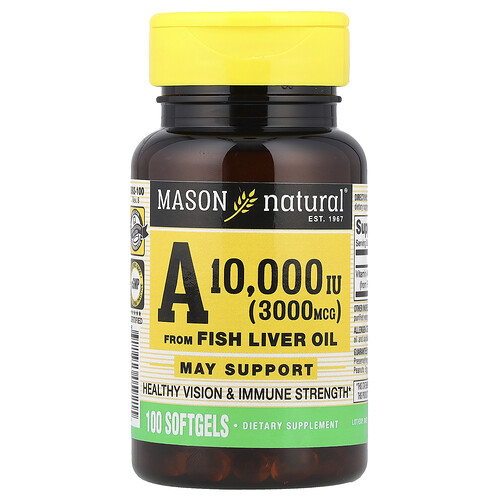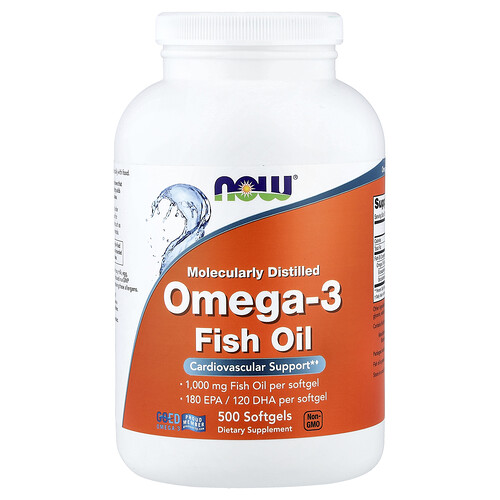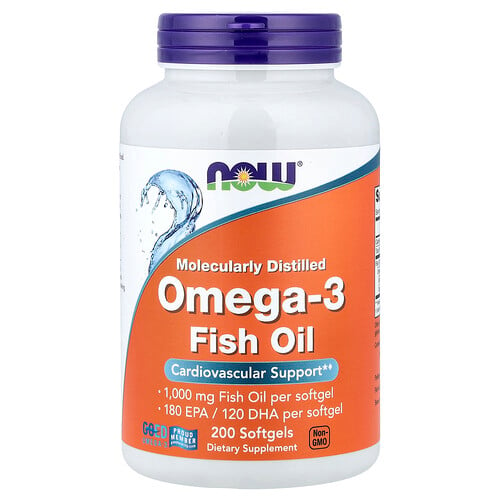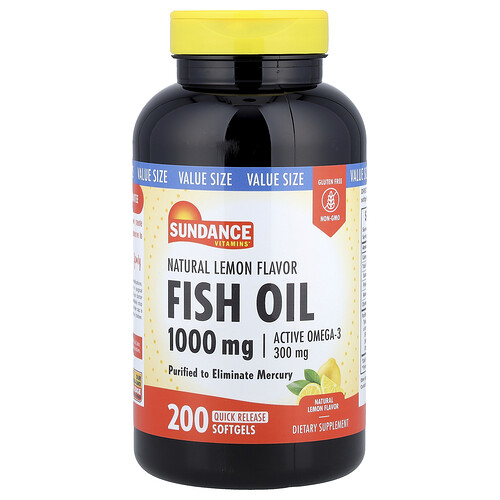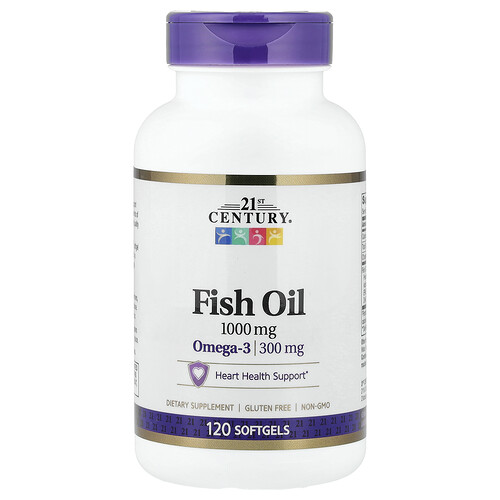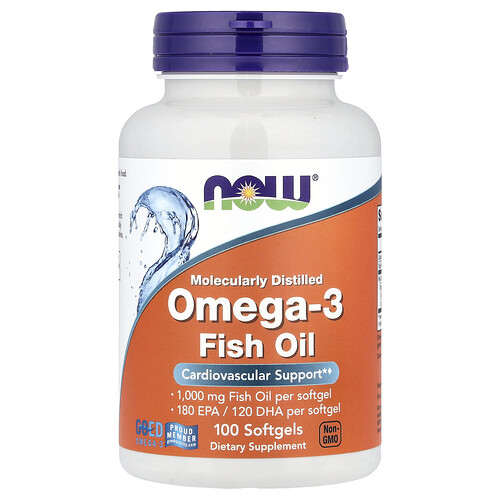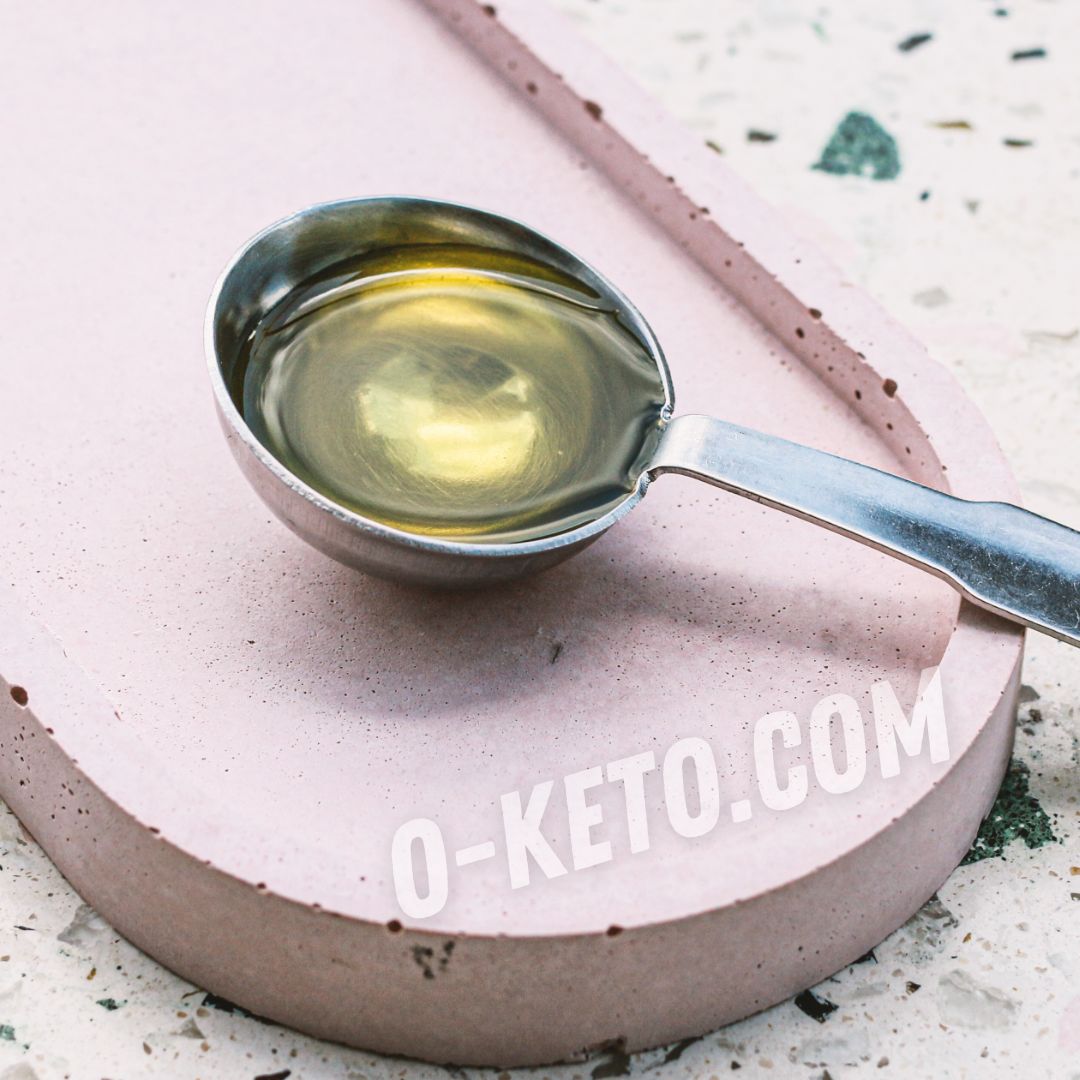

Fish oil is fat obtained from fatty fish tissues or fish raw material and used as a source of EPA and DHA. It may be liquid, encapsulated, concentrated, purified, flavored, or unflavored. It is important to distinguish ordinary fish oil from cod-derived oil with vitamins A and D because composition and limits may differ.
In keto and LCHF, fish oil is not a cooking oil. It is used in small doses, usually as a dietary supplement rather than a culinary base. It contains no carbohydrates, but that is not a reason to drink it by the tablespoon: quality, EPA/DHA concentration, freshness, and tolerance matter more than volume.
Nutrition profile
In 100 g of fish oil there are about 900 kcal and almost 100 g fat, with usually 0 g carbohydrate. A practical serving is capsules or a small liquid dose listed on the package. The lipid profile depends on raw material and purification. Older tables may show rough figures such as 20–30% DHA, 10–15% EPA, 20–25% saturated fat, and 5–10% monounsaturated fat, but modern products vary widely.
The main useful label number is EPA and DHA per serving. Look at those values, not only the total capsule weight. A 1000 mg capsule does not mean 1000 mg EPA and DHA; often the active fraction is much smaller.
Is it suitable for keto?
By macros, fish oil fits keto: it has no sugar or starch and no glycemic response. But it does not replace fatty fish, olive oil, butter, or avocado in a normal menu. It is a concentrated fatty product used in measured amounts.
It is usually easier to take with food. This can reduce fishy burps and unpleasant aftertaste. Do not add it to a hot pan or hot food: heat worsens flavor. If using a liquid form, it can be mixed into a cold dressing, but it is often simpler to take separately according to instructions.
How to choose
A good product should list EPA and DHA per serving, raw material source, shelf life, storage conditions, and preferably testing for heavy metals and contaminants. Liquid form is often cheaper than capsules per gram of EPA/DHA, but capsules are more convenient and smell less. Concentrates provide more EPA/DHA in a smaller volume, but cost more.
Smell matters. A mild fish aroma may be normal, but sharp rancidity, bitterness, throat burn, and heavy aftertaste are poor signs. Flavorings should not mask spoiled fat. A clear bottle without light protection is less desirable than dark packaging.
Capsules or liquid oil
Liquid fish oil is often more economical and makes it easier to adjust the dose, but it exposes the product to air each time the bottle opens. Capsules are more convenient, travel well, and reduce smell, but the price per gram of EPA and DHA is often higher. Softgels should not be sticky, leaking, or strongly fishy before opening.
Dose and limits
Dose should be chosen by EPA and DHA, not by the number of capsules. Different products can provide very different active fatty acid amounts in the same “serving.” Anticoagulant use, planned surgery, clotting issues, pregnancy, childhood, and regular supplement use are reasons to discuss the plan with a qualified professional.
Side effects are usually related to form, dose, or freshness: fishy burps, nausea, loose stool, heaviness, or unpleasant taste. Taking it with food, refrigerating it, or switching form may help. If the reaction remains, forcing continued use is not sensible.
Storage
Fish oil is sensitive to light, air, and heat. Liquid products are usually kept tightly closed in the refrigerator after opening. Capsules should be stored according to instructions, away from sun and heat. Avoid buying a huge bottle if it will stay open for months; a smaller fresh package is often better.
What can replace it?
If you need food rather than a supplement, choose sardines, mackerel, herring, anchovies, salmon, or trout. If you need a fish-free option, algae-based omega-3 with DHA and sometimes EPA can work. If you simply need fat for a keto recipe, use olive oil, butter, coconut oil, avocado, or animal fat: fish oil is not meant for large culinary portions.