


Acne
Inflammatory changes in the skin of the face, associated with the functioning of sebaceous glands and the condition of hair follicles, occur in people of all ages and can vary in severity. In clinical practice, this spectrum of conditions is grouped under the term acne.




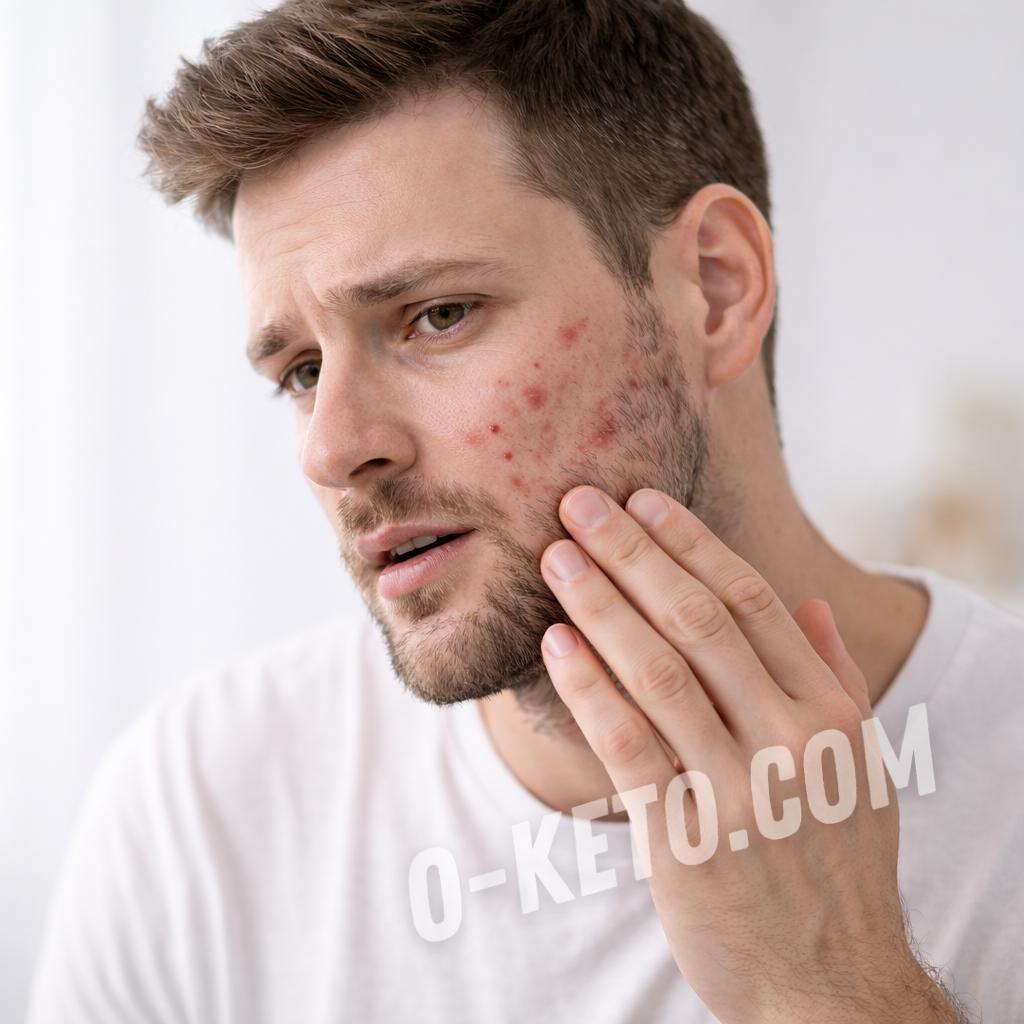
Inflammatory changes in the skin of the face, associated with the functioning of sebaceous glands and the condition of hair follicles, occur in people of all ages and can vary in severity. In clinical practice, this spectrum of conditions is grouped under the term acne.
From the perspective of nutrition and metabolic medicine, acne is viewed not as an isolated skin problem, but as a reflection of hormonal balance, insulin sensitivity, gut health, and lifestyle as a whole. Dietary correction and changes in daily habits can significantly influence the course of the condition, but do not replace medical supervision.
Definition and Clinical Picture
Acne is characterized by a chronic, wave-like course with periods of improvement and exacerbation. The basic element of the process is the blockage of the hair follicle by a mixture of sebum and keratinized epithelial cells. In the absence of inflammation, comedones form, and with the activation of microflora and immune response, papules, pustules, and deeper inflammatory elements appear.
In cases of prolonged or severe courses, post-inflammatory changes may occur: hyperpigmentation, tissue thickening, and scars. The severity of symptoms often increases against the background of hormonal fluctuations, psycho-emotional stress, sleep disturbances, and aggressive impacts on the skin.
Risk Factors and Hormonal Mechanisms
A key factor in the development of acne is increased activity of sebaceous glands combined with changes in the composition of sebum and impaired epithelial renewal. These processes are closely related to hormonal regulation and the metabolic state of the body:
- hormonal changes during puberty, menstrual cycles, pregnancy, and endocrine disorders;
- genetic predisposition to increased sebum production;
- insulin resistance and elevated insulin levels;
- chronic stress, sleep deprivation, and nervous system overload;
- mechanical irritation of the skin and use of comedogenic cosmetics;
- sensitivity to sugars, ultra-processed foods, and dairy products in some individuals.
Keto Diet and Its Influence on Acne
Low-carbohydrate and ketogenic dietary approaches attract attention due to their effects on insulin and growth hormones.
Reducing carbohydrate intake may lower insulin and IGF-1 levels, which potentially reduces the stimulation of sebaceous glands and the intensity of inflammation.
In some individuals, transitioning to a keto or moderately low-carbohydrate diet is associated with reduced oiliness of the skin and frequency of breakouts. However, the response remains strictly individual.
Dairy products, whey protein, or excess of certain fats may, on the contrary, exacerbate inflammation in sensitive individuals. Therefore, the keto approach requires adaptation to the specific organism and assessment of overall well-being, not just skin condition.
Practical Nutrition Principles
Nutrition correction for acne aims to reduce inflammation, stabilize hormonal balance, and support the barrier functions of the skin:
- reducing the intake of sugar, sweets, and products made from refined flour;
- controlling carbohydrates with an emphasis on low glycemic index foods;
- individual assessment of dairy product tolerance;
- including sources of omega-3 fatty acids for anti-inflammatory support;
- adequate protein intake from quality sources;
- ensuring micronutrient intake, including zinc and vitamin D, as needed;
- maintaining hydration and fiber intake;
- gradually implementing changes while monitoring skin reactions.
Skin Care and Lifestyle
Even with an ideal diet, skin condition may worsen without proper care and stabilization of lifestyle. The main goal is not to suppress symptoms but to support the skin barrier and reduce irritating factors:
- gentle daily cleansing without over-drying the skin;
- avoiding squeezing inflammatory elements;
- moderate use of acids and exfoliants under specialist supervision;
- using non-comedogenic cosmetics and SPF products;
- regular sleep, stress management, and moderate physical activity.
Sample 4-Week Plan
- keep a food and skin condition diary to identify individual triggers;
- transition to a moderately low-carbohydrate diet focusing on whole foods;
- establish a basic, gentle skincare routine;
- evaluate dynamics after 4–6 weeks and adjust strategy if necessary.
When to Consult a Doctor
Consultation with a dermatologist is essential in cases of pronounced inflammation, painful elements, cystic forms, rapid deterioration of condition, or lack of improvement despite dietary and skincare adjustments. In some cases, medication therapy or hormonal management may be required.
Nutrition and lifestyle are important parts of a comprehensive approach to acne, but they do not replace professional diagnosis and treatment. Optimal results are achieved through a combination of nutritional correction and medical supervision.
Why acne is not only a cosmetic issue
If acne is treated only as a surface skin defect, it is easy to miss the role of hormonal background, insulin resistance, inflammation, skin-care mistakes and dietary triggers. In practice it is important not only to shrink individual lesions, but to understand why the sebaceous gland and follicle remain chronically irritated. That broader view helps prevent an overly aggressive surface-only approach and better connects the skin picture with metabolism and daily habits.



If you have any questions about the term "Acne", you can ask them to AI. Please note, a low-cost OpenAI model is used. It may answer questions about disease treatment with errors!


 1 / 4
1 / 4
 1 / 4
1 / 4


 1 / 4
1 / 4 1 / 4
1 / 4 1 / 4
1 / 4