


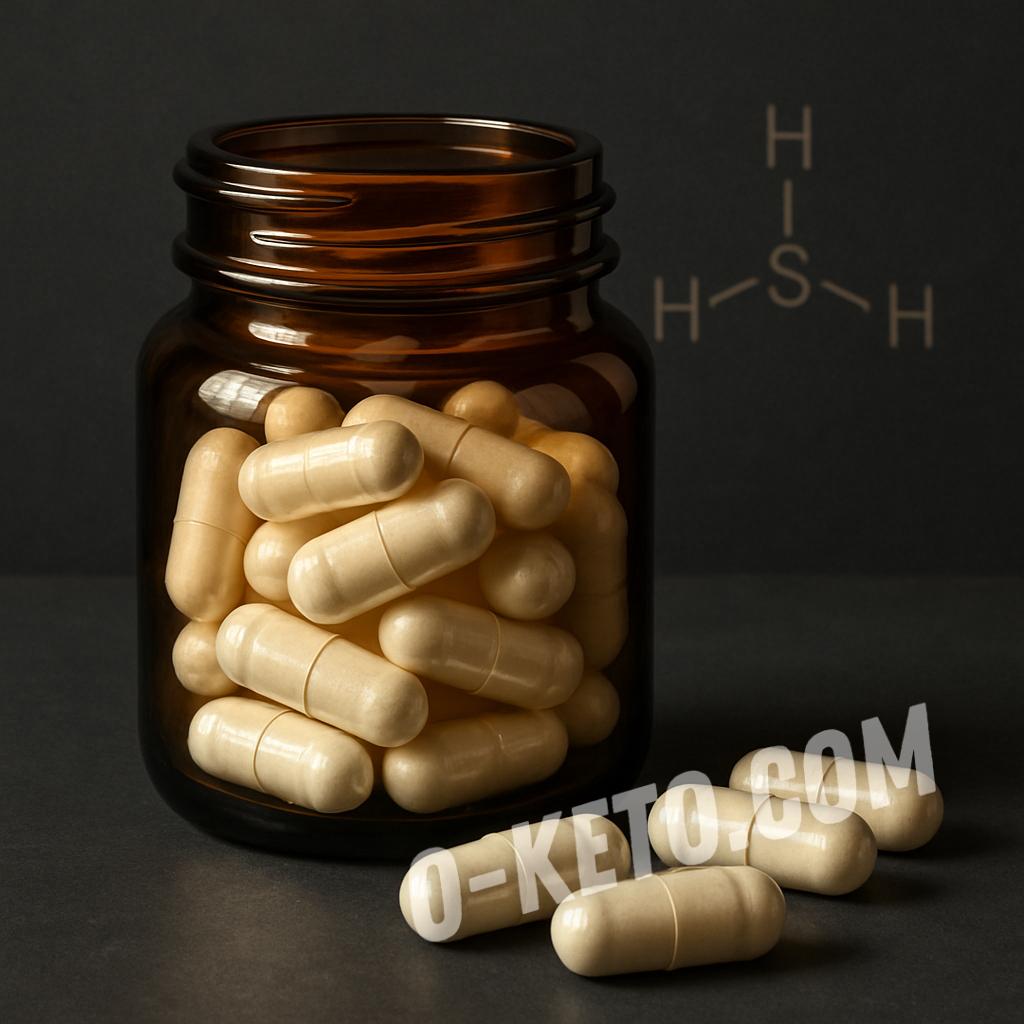

N-acetylcysteine, or NAC, is a stable acetylated form of the amino acid cysteine. It is used more often as a supplement than as a food product when an additional sulfur-containing substrate is needed for glutathione synthesis and support of the body’s antioxidant systems.
What it is
NAC is best known as a glutathione precursor. Because of this, it is often considered in nutritional support programs where antioxidant defense, liver function, respiratory mucosa, and recovery from pronounced oxidative stress matter.
It is not an ordinary food and not a standalone treatment. In everyday use NAC is usually found in capsules, powders, or effervescent forms, while in medical practice it may also be used in other settings under professional supervision.
What it may be useful for
The main reasons NAC is commonly used in supplements include:
- support for glutathione synthesis and antioxidant defense;
- additional liver support during high metabolic load;
- support for the airways and thinner bronchial secretions;
- a role in recovery programs where a sulfur-containing substrate is useful.
How to choose
When choosing a supplement, it usually makes sense to look at the dose per capsule, the excipients, and the absence of unnecessary sweeteners. For a sensitive stomach, capsules or simple powders without effervescent ingredients and excess acids are often easier to tolerate.
If the supplement is used as part of a broader plan, it may also help to look at nearby substances that are often paired with it, such as vitamin C, glycine, selenium, and other antioxidant cofactors. The exact combination still depends on the goal and individual tolerance.
Limitations
NAC may irritate the stomach and can cause nausea, abdominal discomfort, or looser stools. Caution is reasonable in people prone to bronchospasm, marked gastrointestinal sensitivity, or situations where several similar supplements are already being used at once.
If the product causes unpleasant symptoms, the dose is usually reduced or another form is chosen. With chronic disease, pregnancy, breastfeeding, or concurrent medications, it is sensible to discuss the supplement with a physician in advance.
What else is worth keeping in mind
When choosing NAC, it helps to look at the dosage form and the actual amount of active compound per capsule or powder serving. Some products contain only N-acetylcysteine, while others add selenium, molybdenum, vitamin C, or botanical extracts. Combination formulas can be convenient, but if the goal is to understand tolerance to NAC itself, a simpler product is often the cleaner place to start.
Practical use patterns matter too. Some people prefer to split the daily amount into two or more servings to reduce the chance of stomach discomfort, while others do fine with a single intake. If someone already reacts strongly to supplements, has nausea sensitivity, respiratory reactivity, or is using several mucolytic or antioxidant agents at the same time, it makes sense to watch the regimen more carefully. That makes it easier to understand how the product itself is tolerated instead of mixing its effect together with several other active components.


