


Stroke
Stroke is an acute disruption of blood flow to the brain or a brain hemorrhage; after the emergency phase, blood pressure, glucose, vascular risk control, nutrition, rehabilitation, and recovery of cognitive and motor function become especially important.
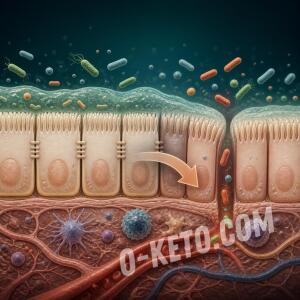

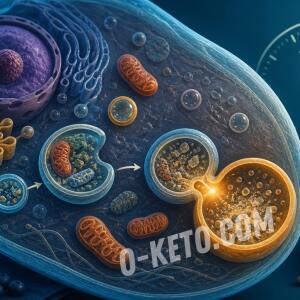

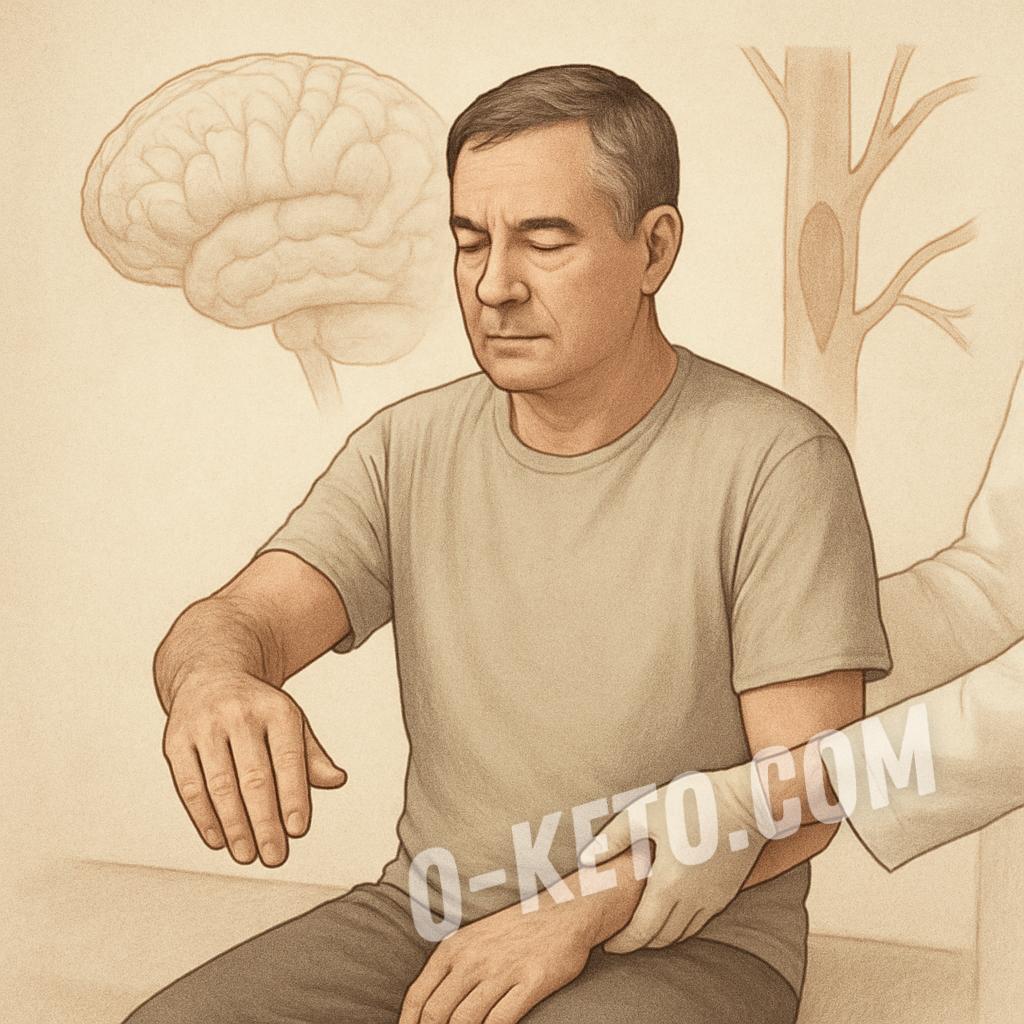
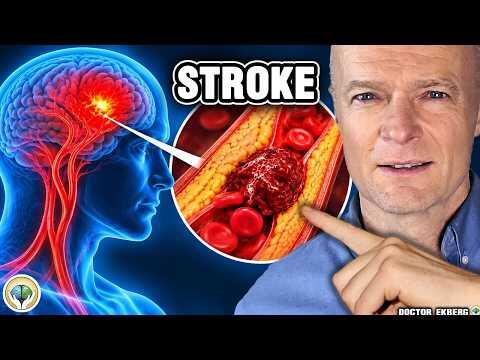
Stroke is an acute brain injury caused either by a sudden loss of blood supply to part of the brain or by bleeding into brain tissue. In practice, clinicians usually distinguish ischemic stroke, where a vessel is blocked by a clot or atherosclerotic material, from hemorrhagic stroke, where a vessel ruptures and bleeding damages surrounding tissue. For the patient and family, stroke often looks abrupt: facial droop, arm weakness, slurred speech, imbalance, numbness, vision loss, severe headache, or confusion. Yet the story does not end when the emergency treatment is over. The period after stroke is often long and uneven, and that is where rehabilitation, blood pressure control, glucose management, adequate nutrition, hydration, and prevention of a second event become critically important.
What happens to the brain during stroke
The brain is highly sensitive to interrupted oxygen and glucose delivery. When blood flow falls sharply, neurons and supporting tissue can begin to fail within minutes. The outcome depends on several things at once: which area was affected, how large the event was, how quickly medical help arrived, the person’s age, underlying vascular health, and how early rehabilitation started. One person may mainly struggle with speech, another with hand weakness, another with balance, attention, memory, or emotional control. Recovery is rarely linear because the brain must partially reorganize function, strengthen new pathways, and adapt to damaged tissue. That is why some days feel much better than others and why improvement often comes through repetition and gradual rebuilding rather than through one dramatic intervention.
Why stroke risk remains important after the first event
Major stroke risks include hypertension, diabetes, insulin resistance, smoking, arrhythmias, excess visceral fat, poor lipid control, low physical activity, and weak adherence to prescribed treatment. Longstanding sleep disruption, dehydration, chronic inflammation, and low muscle mass in older adults also make recovery more fragile. Once a person has already had a stroke, repeat prevention becomes a practical daily issue, not an abstract statistic. Persistently high blood pressure, unstable glucose, skipped medication, smoking, and an early return to chaotic routines increase the chance of another event. This is why post-stroke support must include more than one pill or one food rule. It usually means medication adherence, walking or physiotherapy as tolerated, sleep improvement, protein sufficiency, weight and glucose management, and a clear plan for follow-up.
How recovery is usually approached
Rehabilitation is central after the acute phase. This includes movement retraining, balance work, coordination, speech recovery, swallowing safety, and rebuilding everyday independence. Some patients mainly need gait training, others need speech therapy, and many need both cognitive and physical work. Nutrition matters here because many people after stroke, especially older adults, eat too little protein, drink too little fluid, lose muscle mass quickly, and then tolerate exercise or physiotherapy poorly. Brain recovery also suffers when sleep is fragmented, energy intake is too low, or medication side effects reduce appetite. For this reason, good rehabilitation often depends on basic metabolic support: enough calories, enough protein, reasonable hydration, and correction of meaningful deficiencies rather than a random collection of supplements.
Where nutrition and targeted support can help
Nutritional support does not replace antiplatelet therapy, anticoagulation when indicated, blood pressure treatment, or structured rehabilitation. Still, it can affect the pace and quality of recovery. Adequate protein intake helps preserve muscle and supports participation in therapy. When ordinary meals are not enough, whey protein can sometimes be used to raise protein intake in a practical way. In some protocols, lysine is considered as additional support for vascular recovery and protein-related repair processes after stroke. Vitamin D also matters when deficiency is likely or confirmed, because low vitamin D status may worsen muscle weakness, frailty, mood, and overall recovery capacity. The key principle is gradual titration and context: after neurological injury, support is usually better introduced carefully and adjusted to tolerance rather than piled up all at once.
When the situation needs closer reassessment
Further medical review is needed if weakness worsens again, speech becomes less clear, swallowing deteriorates, fainting appears, chest pain or shortness of breath develops, palpitations increase, severe headache returns, or cognition declines faster than expected. Depression, anxiety, profound insomnia, and refusal to eat are also clinically important because they can slow rehabilitation as much as a physical deficit. The practical conclusion is that stroke should be understood not only as a one-time vascular catastrophe but as a long recovery phase that requires protection of the brain, vessels, muscles, and everyday function at the same time. The stronger the combination of rehabilitation, risk-factor control, sleep, hydration, and thoughtful nutritional support, the better the chance of preserving independence and reducing the risk of another stroke.




If you have any questions about the term "Stroke", you can ask them to AI. Please note, a low-cost OpenAI model is used. It may answer questions about disease treatment with errors!

 1 / 4
1 / 4
 1 / 4
1 / 4


 1 / 4
1 / 4
 1 / 4
1 / 4
